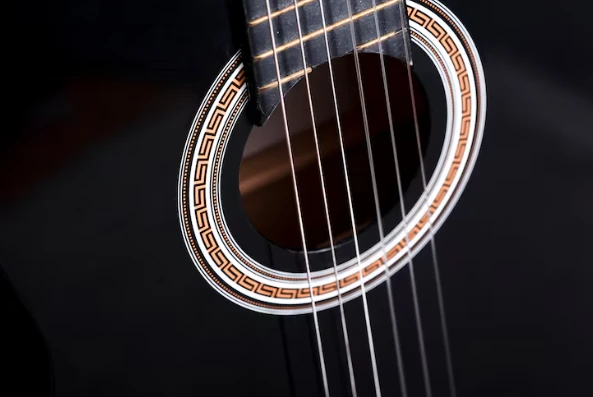
The world of stringed instruments is rich and diverse, offering musicians a plethora of options to explore their creative potential. Among the most fascinating and visually striking of these instruments is the acoustic harp guitar. Unlike conventional guitars, the acoustic harp guitar combines the familiar fretboard of a standard guitar with additional harp-like strings, known as sub-bass strings, that extend the instrument’s tonal range. This unique hybrid allows for both melodic and harmonic exploration, making it an instrument that appeals to professional musicians, composers, and enthusiasts alike. Two of the most popular variations in this family are the 18 string acoustic harp guitar and the 20 string acoustic harp guitar. Both offer distinctive features that cater to different playing styles, musical genres, and personal preferences.
A Brief Overview of the Acoustic Harp Guitar
Before diving into the specifics of the 18 and 20 string models, it’s important to understand what makes a harp guitar special. At its core, the acoustic harp guitar maintains the standard six-string guitar configuration, allowing players to perform traditional guitar techniques. However, it is distinguished by its additional unstopped strings, typically positioned on an extended arm or secondary neck. These strings, often referred to as harp strings, can be plucked to produce resonant bass tones or ethereal harmonics, expanding the instrument’s expressive capabilities.
The versatility of the acoustic harp guitar is one of its defining features. Musicians can combine fingerpicking patterns, percussive techniques, and harp-like arpeggios to create textures and layers impossible on a standard guitar. For composers, this opens the door to rich, orchestral sounds in a single instrument.
The 18 String Acoustic Harp Guitar
The 18 string acoustic harp guitar is widely regarded as a balanced instrument suitable for both intermediate and advanced players. It typically features six standard guitar strings along with twelve additional harp strings. These extra strings are tuned to complement the guitar’s tonal range, often extending into the lower bass register.
One of the primary advantages of the 18 string acoustic harp guitar is its manageable size and playability. While it offers extended range and harmonic possibilities, it does not overwhelm the player with too many strings, making it easier to adapt to compared to larger models. The instrument is particularly popular among fingerstyle guitarists, as it allows for the incorporation of bass lines, melodies, and chordal harmonies simultaneously.
Musically, the 18 string acoustic harp guitar excels in genres that benefit from layered textures, such as folk, contemporary classical, and ambient music. Artists can produce a rich, full-bodied sound without requiring additional accompaniment. Additionally, the instrument’s aesthetic appeal, often featuring elegant inlays and gracefully extended arms for the harp strings, makes it visually striking on stage or in recordings.
The 20 String Acoustic Harp Guitar
For musicians seeking even greater range and versatility, the 20 string acoustic harp guitar offers an expanded palette. As the name suggests, this model typically features six standard guitar strings accompanied by fourteen harp strings, although configurations can vary depending on the luthier. The additional strings provide deeper bass notes and more opportunities for complex harmonic arrangements.
The 20 string acoustic harp guitar is particularly suited for advanced performers who wish to explore unconventional techniques and compositions. Its extended range allows for intricate fingerstyle patterns, multi-layered accompaniment, and the creation of orchestral textures on a single instrument. Some musicians even use the additional strings to emulate the sounds of other instruments, such as cellos, harps, or even bass guitars.
One challenge of the 20 string acoustic harp guitar is its learning curve. Managing more strings requires careful coordination, precise plucking technique, and a strong understanding of musical theory to fully utilize the instrument’s potential. However, for those willing to invest the time and effort, the results can be extraordinary, offering an unmatched depth and richness of sound.
Comparing the 18 String and 20 String Acoustic Harp Guitars
While both the 18 string acoustic harp guitar and the 20 string acoustic harp guitar share a similar design philosophy, there are key differences that may influence a musician’s choice:
- Range: The 20 string model provides a broader tonal range, particularly in the lower bass register, compared to the 18 string version. This makes it ideal for compositions that require deep, resonant bass tones.
- Playability: The 18 string harp guitar is generally easier to handle, especially for players transitioning from standard guitars. Its slightly smaller size and fewer strings make it more approachable for live performance or practice.
- Complexity: While both instruments can create rich textures, the 20 string model allows for more intricate arrangements due to the additional strings. However, this comes at the cost of increased complexity in tuning, playing, and maintenance.
- Musical Style: The 18 string acoustic harp guitar is often favored in fingerstyle and folk music, while the 20 string version appeals to experimental, contemporary classical, and solo composers seeking maximum harmonic potential.
- Aesthetic Appeal: Both instruments are visually stunning, but the 20 string harp guitar, with its extended array of strings, often makes a bolder visual statement on stage or in recordings.
Choosing the Right Harp Guitar
Selecting between an 18 string and a 20 string acoustic harp guitar ultimately depends on the musician’s goals, technical skills, and preferred musical style. Beginners or intermediate players may find the 18 string model more comfortable, as it balances range with accessibility. Meanwhile, professional musicians or those seeking to explore complex compositions may prefer the 20 string model for its expanded possibilities.
When choosing a harp guitar, other factors should also be considered, such as body construction, wood type, string quality, and overall ergonomics. Different luthiers employ various design philosophies, which can influence the instrument’s tone, resonance, and playability. Testing multiple models and consulting with experienced players can be invaluable in finding the right instrument.
Conclusion
The 18 string acoustic harp guitar and the 20 string acoustic harp guitar are both exceptional instruments that push the boundaries of traditional guitar playing. Each offers unique advantages, from the approachable and versatile 18 string model to the expansive, richly layered 20 string version. By combining the familiar characteristics of a guitar with the enchanting qualities of harp strings, these instruments open up a world of musical exploration. Whether performing solo, composing intricate arrangements, or experimenting with new sounds, musicians can find in the acoustic harp guitar an instrument that inspires creativity and elevates musical expression.
Ultimately, both the 18 string and 20 string acoustic harp guitars are more than just instruments—they are gateways to new sonic landscapes, offering a bridge between conventional guitar playing and the limitless possibilities of extended-range string music. For any guitarist seeking to expand their artistic horizon, the harp guitar represents an extraordinary journey worth embarking upon.