Ensure precise gap measurements with a high-quality feeler gauge, ideal for engine tuning, valve adjustment, and machine maintenance—a durable and accurate tool.
Professional Feeler Gauge Tool – Measure Gaps Precisely
Precision is everything when it comes to engine performance and machine efficiency. Even the smallest gap or misalignment can lead to reduced output, increased wear, and long-term damage. This is where a high-quality feeler gauge becomes an essential tool. Whether you are tuning an engine, adjusting valves, or aligning mechanical components, a feeler gauge ensures accuracy down to fractions of a millimetre.
Professionals in automotive workshops, industrial maintenance, and mechanical engineering rely on the feeler gauge set to measure clearances that cannot be checked with ordinary tools. With accurate measurement capability and durable construction, a premium feeler gauge helps maintain machinery performance, safety, and longevity.
What is a Feeler Gauge?
A feeler gauge is a precision measuring tool used to determine the gap or clearance between two parts. It typically consists of a set of thin metal blades, each with a marked thickness. These blades are inserted between two components to ensure accurate measurement of spacing.
A common and highly versatile option is the feeler gauge 0.03 to 1 mm, which covers a wide range of mechanical applications. From delicate electronic assemblies to heavy automotive engines, this range provides the flexibility needed for most tuning and maintenance tasks.
Importance of Feeler Gauges in Engine Tuning
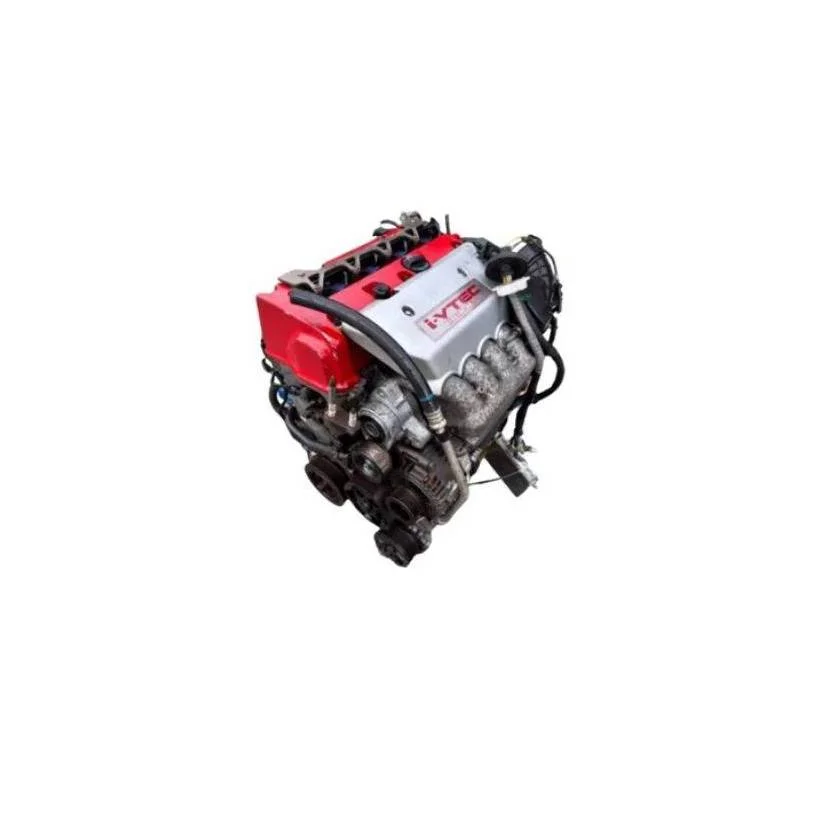
In engines, precise clearance is critical for proper functioning. Valves, spark plugs, piston rings, and other components require exact spacing to operate efficiently. Incorrect gaps can cause
-
Engine knocking
-
Poor fuel efficiency
-
Increased emissions
-
Premature component wear
-
Power loss
Using a high-quality feeler gauge set allows technicians to adjust valve lash, spark plug gaps, and other components with confidence. Accurate measurement ensures optimal combustion, smoother engine performance, and longer service life.
Role in Machine Tuning and Maintenance
Beyond automotive engines, feeler gauges are vital in industrial machinery.
Alignment and Calibration
Machine components such as gears, shafts, and couplings must align properly. Feeler gauges help ensure accurate spacing, reducing vibration and wear.
Maintenance Checks
Regular inspection of machines prevents breakdowns. By measuring clearances with a feeler gauge 0.03 to 1 mm, technicians can detect early signs of wear and address issues before they become serious.
Tool and Die Work
In manufacturing environments, precise clearances are essential for moulds and dies. Feeler gauges assist in maintaining the exact spacing required for quality production.
Understanding Feeler Gauge Sizes
Choosing the correct blade thickness is crucial. Sets usually cover a broad range, with common configurations including feeler gauge 0.03 to 1 mm. This range is ideal for both fine engine work and general machine adjustments.
Blades are often colour-coded or labelled for quick selection. Mechanics frequently combine multiple blades to achieve the exact thickness required, making the tool highly versatile.
Benefits of Using a High-Quality Feeler Gauge
A high-quality feeler gauge offers precision, reliability, and long-term value in both engine and machine maintenance. Its accurately ground blades ensure consistent measurements, helping technicians set exact clearances for valves, spark plugs, bearings, and other critical components. Made from durable, corrosion-resistant materials, a premium gauge resists wear, bending, and rust, maintaining its accuracy over time. Clear markings and a wide range of feeler gauge sizes in mm make selection quick and efficient, reducing errors during adjustments. By improving measurement accuracy and reducing component wear caused by improper gaps, a quality feeler gauge enhances equipment performance, extends service life, and ultimately saves time and maintenance costs.
How to Use a Feeler Gauge Correctly
Using a feeler gauge correctly ensures accurate clearance measurement in engines and machines. Start by identifying the required gap specification from the equipment manual. Select the blade that matches the needed thickness from your feeler gauge set—for fine adjustments, this may fall within a feeler gauge 0.03 to 1 mm range. Make sure the surfaces being measured are clean and free from oil or debris. Gently insert the blade between the two components; it should slide in with slight resistance—neither too tight nor too loose. If the fit is incorrect, adjust the component and recheck until the correct clearance is achieved. Always avoid forcing the blade, as this can bend it and affect accuracy.
Choosing the Right Feeler Gauge Set
Choosing the right feeler gauge set depends on the type of work you perform and the level of precision required. Start by checking the measurement range—sets that include a feeler gauge 0.03 to 1 mm offer excellent versatility for engine tuning and machine adjustments. Look for clearly marked feeler gauge sizes in mm so selection is quick and error-free. Material quality also matters; hardened or stainless steel blades resist wear, bending, and corrosion. A well-designed holder keeps blades organised and easy to handle, especially in tight spaces.
Why Quality Matters
Using a low-quality gauge can lead to incorrect measurements, causing engine damage or machine malfunction. Precision tools directly impact performance and safety, so choosing a reliable feeler gauge set is a smart decision for professionals and hobbyists alike.
Company Bio – Jaibros
Jaibros is a trusted name in the field of industrial tools and precision equipment. Known for delivering high-performance, durable, and reliable products, Jaibros focuses on quality and innovation. The company provides a wide range of mechanical tools designed to meet the needs of automotive technicians, machine operators, and industrial professionals.
With a strong commitment to precision engineering and customer satisfaction, Jaibros ensures every product, including its premium feeler gauges, meets strict quality standards. Their tools are built to deliver accuracy, durability, and value, making them a preferred choice in workshops and industries worldwide.
Frequently Asked Questions (FAQ)
What is a feeler gauge used for?
A feeler gauge is used to measure small gaps or clearances between two components. It is commonly used in engine tuning, valve adjustment, spark plug gapping, and machine alignment.
What does a feeler gauge 0.03 to 1 mm mean?
This refers to the thickness range of the blades in the set. A 0.03 to 1 mm feeler gauge can measure very fine to moderate gaps, making it suitable for both delicate mechanical work and general engine maintenance.
Why is accurate gap measurement important in engines?
Incorrect clearances can cause engine knocking, reduced fuel efficiency, power loss, higher emissions, and faster component wear. Proper measurement ensures smooth performance and longer engine life.
Can feeler gauges be used for industrial machines?
Yes. Feeler gauges are widely used in machinery maintenance for alignment checks, calibration, tool and die work, and inspection of mechanical clearances in gears, shafts, and couplings.
How do I know which blade size to use?
Check the equipment manufacturer’s specification for the required clearance. Select the blade that matches the measurement. You can also combine multiple blades to achieve the exact thickness.
Conclusion
A high-quality feeler gauge is more than just a measuring tool—it’s a key to achieving optimal engine and machine performance. From setting valve clearances to aligning industrial machinery, its role in precision work is unmatched. By selecting the right feeler gauge set, understanding feeler gauge sizes in mm, and considering the feeler gauge price, users can ensure reliable, accurate results in every task.
For professionals who demand precision and durability, investing in a premium feeler gauge is a small step that makes a big difference in performance, safety, and efficiency.