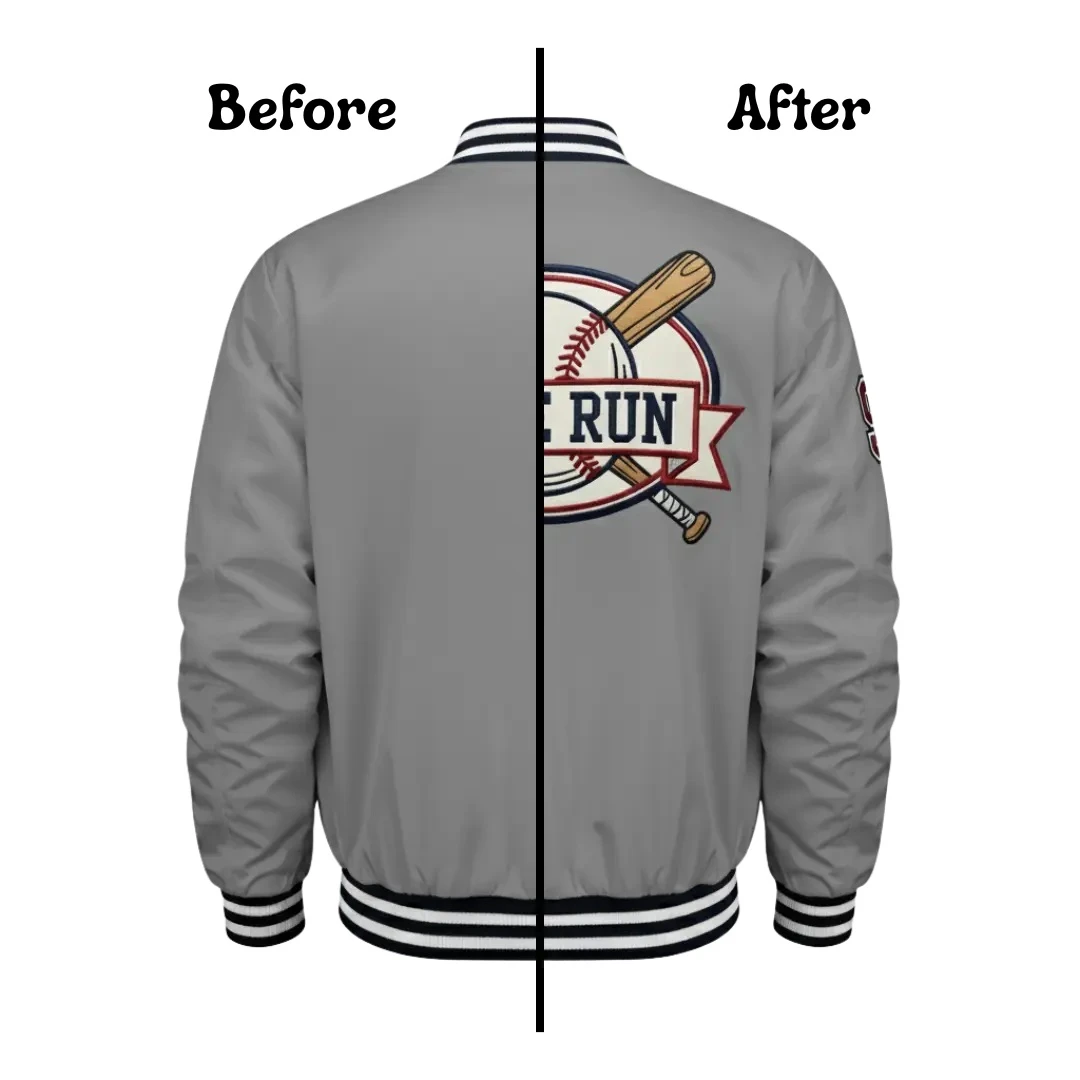
Custom embroidery requires precision, technical knowledge, and careful planning to produce high-quality results. One of the more complex areas for embroidery is the back of a jacket, which presents unique challenges due to its size, material, and structure.
This is where professional jacket back digitizing becomes essential. Digitizing is the process of converting artwork into a digital embroidery file that guides the embroidery machine. Proper digitizing ensures that designs maintain clarity, alignment, and durability through repeated wear and washing.
Understanding Jacket Back Digitizing
Jacket back digitizing involves creating embroidery files specifically designed for the back of a jacket. Unlike simpler garments like t-shirts or caps, jackets have characteristics that require careful consideration:
- Material thickness: Jackets often have multiple layers, padding, or linings that affect stitch quality.
- Large embroidery area: The increased surface area requires even stitch distribution to prevent puckering.
- Fabric flexibility: Different materials, including leather, soft shells, or technical fabrics, behave differently under stitching.
Professional digitizers analyze these factors to produce files that maintain the integrity of the design, prevent thread breaks, and ensure a clean, professional finish.
Advantages of Professional Digitizing
Using expert digitizing services for jacket backs offers several benefits:
- Accuracy: Designs are carefully mapped, ensuring precise curves, lettering, and color transitions.
- Efficiency: Well-prepared embroidery files reduce errors during production, saving time and materials.
- Durability: Stitches are optimized for movement and wear, extending the life of the embroidery.
- Consistency: Whether producing a single jacket or a bulk order, professional files deliver uniform results.
Without professional digitizing, embroidery can appear uneven, distorted, or damage the fabric, leading to wasted resources and customer dissatisfaction.
Key Techniques in Jacket Back Digitizing
Experienced digitizers use specific techniques to optimize embroidery for jackets:
- Stitch type selection: Choosing the right stitch type, such as satin stitches for outlines or fill stitches for larger areas, ensures clean results.
- Underlay stitching: Provides a foundation for the main stitches, stabilizing thick or textured fabrics.
- Density adjustment: Controls thread coverage to prevent puckering or gaps.
- Pull compensation: Corrects distortion caused by fabric stretch during stitching.
- Sequencing and path optimization: Reduces machine jumps and thread trims, improving production efficiency.
These methods are particularly important for large jacket backs, where small errors can significantly affect the final appearance.
Common Challenges
Digitizing the back of a jacket is more complex than simply scaling up a design. Challenges include:
- Fabric movement: Soft linings or flexible fabrics can shift during stitching.
- Complex designs: Fine details or intricate logos may need adjustments to remain clear on the finished embroidery.
- Thread tension issues: Incorrect tension can result in skipped stitches or thread breaks.
- Color transitions: Multi-color designs or gradients can be difficult to execute on thick fabrics.
Professional digitizers address these challenges by simulating the stitching process in specialized software before production.
Tips for Optimal Jacket Back Embroidery
To achieve the best results for jacket back embroidery:
- Use high-resolution artwork to ensure accurate translation into embroidery files.
- Simplify intricate designs where necessary to maintain clarity.
- Consult an experienced digitizer to prevent errors and improve production efficiency.
- Run a test stitch on similar fabric to identify adjustments before full-scale production.
- Consider stitch direction, as proper orientation ensures smooth coverage and visual balance.
Following these practices helps maintain consistent quality, durability, and professional appearance.
Why Professional Digitizing Matters
Investing in professional digitizing extends beyond aesthetics. High-quality digitizing:
- Reduces material waste from errors
- Shortens production time
- Ensures consistent embroidery quality across multiple items
- Reinforces brand reputation with reliable results
Even small-scale projects benefit from professional digitizing, as it ensures designs are executed accurately and efficiently.
FAQs
1. What file formats are commonly used for jacket back digitizing?
Professional digitizers typically provide formats compatible with most embroidery machines, including DST, PES, EXP, and JEF. The choice depends on the machine brand and capabilities.
2. How long does it take to digitize a jacket back design?
The time required varies depending on design complexity, size, and fabric type. Simple designs may take a few hours, while intricate artwork can take several days for accurate digitizing.
3. Can complex logos be digitized for jacket backs?
Yes. Professional digitizers can adapt detailed logos, optimizing stitch types, density, and underlay to ensure clarity and durability without losing important details.
4. Is test stitching necessary before production?
Absolutely. Test stitching identifies potential issues with thread tension, fabric movement, and design clarity, helping prevent costly mistakes during full production.