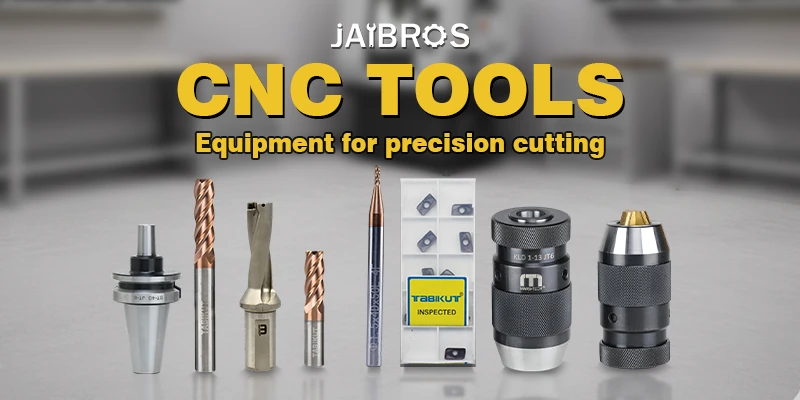
Learn how to maintain a CNC tool for long-term industrial use. Improve tool life, accuracy, and productivity with proper care and maintenance practices.
CNC Tool Maintenance Tips for Long-Term Industrial Performance
In modern manufacturing, precision and consistency are everything. Industries that rely on advanced machining know that productivity is not only about buying high-end equipment but also about maintaining it correctly. Proper care extends the life of machines, improves part accuracy, and reduces unexpected downtime. This is especially true in environments where CNC machine tools operate continuously under high loads. Understanding the right maintenance practices helps manufacturers protect their investment and achieve stable, long-term output.
Why Maintenance Matters in Industrial Machining
A CNC Tool is designed to deliver accuracy at high speeds, but even the most advanced systems can fail if neglected. Industrial environments expose machines to heat, vibration, metal chips, and coolant residue, all of which slowly affect performance. Without routine checks and preventive maintenance, tool wear accelerates, leading to poor surface finish, dimensional errors, and increased rejection rates.
Maintenance also plays a role in controlling operating costs. When machines are maintained properly, the overall CNC machine price impact over time is lower because replacements, repairs, and downtime are minimized. This makes maintenance a strategic decision rather than just a technical task.
Understanding Wear and Tear in CNC Operations
Before discussing maintenance practices, it is important to understand how wear occurs. A CNC Tool is constantly exposed to friction between the cutting edge and the workpiece. Over time, this friction dulls cutting edges, affects tool geometry, and generates excess heat. In CNC milling applications, tools experience varying loads depending on material hardness and cutting parameters, which further increases stress.
Environmental factors such as dust, coolant contamination, and improper storage also contribute to gradual degradation. Recognizing these factors helps operators plan maintenance schedules that align with actual usage rather than fixed timelines.
Daily Maintenance Practices for Consistent Performance
Daily maintenance is the foundation of long-term reliability. Simple habits can significantly improve machine life and machining accuracy.
Cleaning is one of the most critical steps. Chips and debris should be removed from work areas, tool holders, and guides after each shift. Residual chips can interfere with movement and cause alignment issues. Lubrication is equally important, as moving parts rely on proper oiling to reduce friction and prevent premature wear.
Operators should also visually inspect the CNC Tool before starting work. Small signs such as unusual noise, vibration, or surface marks on finished parts often indicate early-stage issues. Addressing these signs immediately prevents larger failures later.
Scheduled Inspections and Preventive Maintenance
While daily checks handle surface-level issues, scheduled inspections focus on deeper mechanical and structural health. A CNC Tool should undergo regular alignment checks to ensure axes move accurately. Even minor misalignment can lead to cumulative errors in mass production.
Tool holders and spindles must be checked for runout, as excessive runout affects cutting accuracy and accelerates insert wear. Coolant systems also need attention, since contaminated coolant can damage internal components and reduce cutting efficiency.
Preventive maintenance schedules should be based on machine usage, material type, and workload intensity. High-speed CNC milling operations may require more frequent inspections compared to low-load applications.
Tool Storage and Handling Best Practices
Improper storage is an often-overlooked cause of tool damage. A CNC Tool should always be stored in a clean, dry, and organized environment. Exposure to moisture can cause corrosion, while improper stacking can damage cutting edges.
Handling practices are equally important. Tools should never be dropped or placed on hard surfaces without protection. Even minor impacts can affect balance and accuracy, especially in high-precision machining tasks. Using designated racks and protective cases ensures tools remain in optimal condition when not in use.
Optimizing Cutting Parameters for Tool Life
Maintenance is not limited to physical care alone. Operational parameters play a major role in extending tool life. Cutting speed, feed rate, and depth of cut must be selected based on material properties and tool specifications. Overloading a CNC Tool by pushing it beyond recommended limits leads to rapid wear and frequent replacement.
Monitoring machining data helps identify trends in tool performance. When cutting forces increase or surface finish degrades, it often signals the need for adjustment or replacement. This data-driven approach improves efficiency while protecting equipment.
Training Operators for Better Maintenance Outcomes
Even the best maintenance plan fails without skilled operators. Proper training ensures that operators understand machine behavior, tool wear patterns, and maintenance protocols. A well-trained team can identify early warning signs and respond quickly.
Operators should also be educated about the cost implications of neglect. Replacing damaged CNC tools frequently increases production costs and affects profitability. Awareness creates accountability and encourages consistent maintenance practices across shifts.
Long-Term Cost Benefits of Proper Maintenance
Investing time and resources in maintenance directly impacts profitability. A well-maintained CNC Tool delivers consistent quality, reduces scrap, and minimizes downtime. Over time, this stability offsets the initial CNC machine price and improves return on investment.
Industries that prioritize maintenance also benefit from predictable production schedules. Machines operate reliably, customer deadlines are met, and overall workflow efficiency improves. Maintenance, therefore, is not an expense but a long-term investment.
Conclusion: Building Reliability with the Right Partner
Maintaining machining equipment is a continuous process that combines daily care, scheduled inspections, proper handling, and skilled operation. When these elements work together, manufacturers achieve consistent quality and extended machine life. Choosing reliable suppliers and high-quality CNC machine tools further strengthens this foundation.
Companies like Jaibros understand the importance of durability, precision, and long-term performance in industrial machining. By offering dependable CNC tools and technical expertise, Jaibros supports manufacturers in achieving efficient, sustainable production while protecting their investment over the long run.
Frequently Asked Questions (FAQs)
1. How often should industrial machining equipment be inspected?
Inspection frequency depends on usage intensity, material type, and operating conditions. High-load operations usually require more frequent checks.
2. Does regular cleaning really impact machining accuracy?
Yes, removing chips and debris prevents misalignment and ensures smooth machine movement, directly affecting accuracy.
3. Can improper storage reduce tool life?
Improper storage exposes tools to moisture, dust, and impact damage, all of which reduce lifespan and performance.
4. How do cutting parameters affect tool durability?
Incorrect speed, feed, or depth of cut increases heat and stress, leading to faster wear and breakage.
5. Why is operator training important in maintenance?
Trained operators can detect early signs of wear or malfunction, reducing downtime and preventing costly failures.