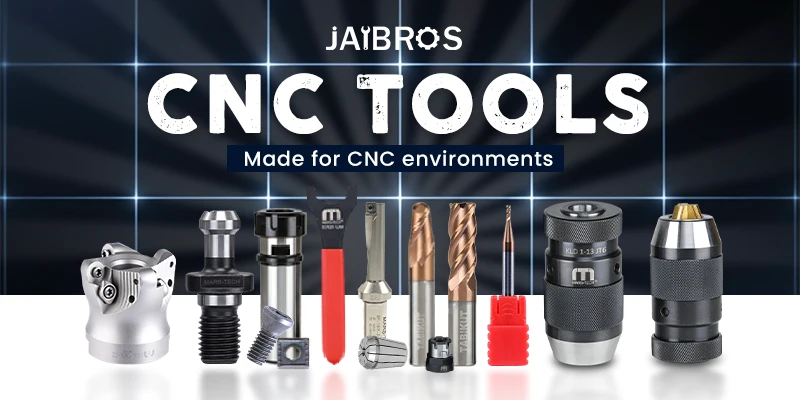
Learn CNC tool fundamentals for industrial manufacturing, including tool types, functions, CNC machine tools, and their role in precision machining.
Understanding CNC Tools in Industrial Manufacturing
Industrial manufacturing has evolved rapidly with the adoption of automation and computer-controlled systems. CNC machining stands at the center of this transformation, enabling manufacturers to produce complex components with accuracy and repeatability. At the core of every machining operation is the cnc tool, which directly performs the cutting, shaping, and finishing of raw materials. Understanding its fundamentals is essential for achieving efficient and reliable industrial production.
Introduction to CNC Machining in Industry
CNC machining refers to the use of computer programs to control machine movements and cutting operations. These machines are widely used in industries such as automotive, aerospace, medical devices, and heavy engineering. The precision of CNC machining depends not only on programming but also on the quality and selection of CNC machine tools used during production.
In industrial environments, machining processes must meet strict tolerance and productivity requirements. This is where proper tooling selection and management become critical.
What Is a CNC Tool?
A cnc tool is a specially designed cutting instrument used in CNC machines to remove material from a workpiece. It performs operations such as milling, turning, drilling, and slotting. These tools are manufactured from materials like carbide, high-speed steel, and ceramics to withstand high cutting forces and temperatures.
Unlike manual tools, CNC tools are optimized for automated operations, allowing consistent performance across large production volumes.
Role of Tools in Industrial Manufacturing
In industrial manufacturing, tools for the CNC machine play a vital role in determining production speed, surface quality, and dimensional accuracy. Each tool is designed for a specific purpose and material type. The wrong tool choice can lead to excessive wear, tool failure, or poor surface finish.
Industrial manufacturers rely on standardised tooling systems to ensure repeatability and easy replacement, especially in high-volume operations.
Types of CNC Machine Tools Used in Industry
Milling Tools
Milling tools are used to remove material from flat or contoured surfaces. They are commonly used in machining centers for producing slots, pockets, and complex shapes.
Turning Tools
Used mainly on CNC lathes, turning tools shape cylindrical parts by cutting material from a rotating workpiece.
Drilling and Boring Tools
These tools create and refine holes with high precision, which is essential in assembly-focused industries.
CNC Cutter Tool
This category includes various cutters such as end mills, face mills, and profile cutters designed for specific machining tasks.
Together, these CNC cutting tools support a wide range of industrial applications.
Functions of CNC Tools in Manufacturing
The primary functions of CNC tools in industrial production include:
-
Material removed with controlled accuracy
-
Shaping and contouring complex geometries
-
Achieving tight tolerances
-
Improving surface finish
-
Supporting high-speed and continuous production
Each function requires a precise balance between tool geometry, cutting parameters, and machine capability. A well-selected cnc tool ensures stable machining and consistent output.
Working Process of CNC Tools
Step 1: Tool Selection
The process begins by selecting the appropriate tool based on material type, machining operation, and required finish. Coatings and tool geometry are also considered.
Step 2: Tool Mounting and Setup
The tool is mounted into a holder and installed in the machine spindle. Accurate tool length and diameter offsets are set in the CNC control system.
At this stage, the cnc tool becomes fully integrated into the machining process.
Step 3: CNC Programming
The machine follows programmed instructions that control speed, feed rate, and tool path. Programming ensures consistency across multiple parts.
Step 4: Machining Operation
During operation, the tool removes material according to the programmed path. Coolant is often used to reduce heat and extend tool life.
Step 5: Inspection and Optimization
Finished parts are inspected to ensure they meet specifications. Tool parameters can be adjusted to improve efficiency without replacing hardware.
Importance of Tool Quality in Industrial Production
Tool quality directly affects productivity and manufacturing cost. High-quality CNC cutting tools offer longer service life, better surface finishes, and reduced machine downtime. Poor-quality tools increase the risk of defects and frequent replacements.
A durable cnc tool supports uninterrupted production and helps manufacturers meet delivery deadlines and quality standards.
Advantages of CNC Tools in Industrial Manufacturing
CNC tools provide several benefits in large-scale manufacturing:
-
High accuracy and repeatability
-
Faster production cycles
-
Reduced labor dependency
-
Improved safety
-
Capability to machine complex designs
These advantages make CNC machining the backbone of modern industrial manufacturing systems.
Applications Across Industries
CNC tools are used in a wide range of industrial sectors, including:
-
Automotive engine and transmission parts
-
Aerospace structural components
-
Medical implants and instruments
-
Industrial machinery components
-
Tool and die manufacturing
In all these applications, performance consistency depends on the reliability of the cnc tool used.
Conclusion
CNC tooling is a fundamental element of industrial manufacturing, enabling precision, efficiency, and scalability. By understanding tool types, functions, and working processes, manufacturers can optimize machining operations and reduce production costs. With proper selection, setup, and maintenance, CNC tools continue to support the growing demands of modern industry.
About Jaibros
Jaibros is a trusted name in industrial cutting solutions, offering high-quality CNC tools engineered for precision and durability. With a strong focus on performance and reliability, Jaibros supports manufacturers in achieving efficient and accurate machining across diverse industrial applications.
FAQs
1. What is the purpose of CNC tools in industrial manufacturing?
They are used to remove material accurately and consistently to produce industrial components.
2. How do CNC machine tools differ from conventional tools?
They are computer-controlled, offering higher precision, automation, and repeatability.
3. What materials are commonly used for CNC cutting tools?
Carbide, high-speed steel, ceramics, and coated alloys are commonly used.
4. How does tool selection affect manufacturing efficiency?
Proper tool selection reduces wear, improves surface finish, and increases productivity.
5. Are CNC tools suitable for mass production?
Yes, they are ideal for high-volume manufacturing due to consistency and automation.