Introduction
Biomedical equipment management has become increasingly complex as hospitals expand services, adopt advanced therapies, and operate under tighter safety and compliance expectations. Every device must perform reliably, integrate smoothly into clinical workflows, and remain serviceable throughout its lifecycle.
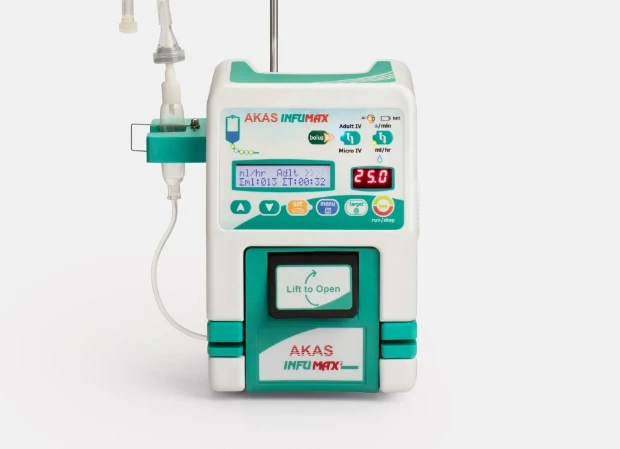
Within this environment, the Infusion Pump plays a critical role. It is not only central to accurate medication delivery but also a significant contributor to how effectively biomedical teams manage assets, maintenance schedules, and clinical risk.
When infusion systems are designed with reliability, usability, and standardisation in mind, they reduce operational burden while strengthening patient safety. This balance is essential for hospitals seeking dependable care delivery without adding complexity to equipment management.
The Role of Infusion Pumps in Biomedical Operations
Biomedical engineering teams are responsible for ensuring that medical devices remain safe, functional, and compliant at all times. Infusion pumps are among the most frequently used devices in hospitals, often operating continuously across multiple departments.
Well-designed infusion pump systems simplify this responsibility by offering consistent performance, predictable servicing needs, and clear documentation. This reduces the time biomedical teams spend troubleshooting and allows greater focus on preventive maintenance.
From asset tracking to calibration, infusion pumps that align with hospital standards help streamline daily biomedical operations while maintaining clinical confidence.
Supporting Clinical Safety and Regulatory Compliance
Regulatory compliance is a cornerstone of biomedical equipment management. Infusion pumps must meet strict national and international safety standards, as they are directly involved in medication administration.
Devices that are designed with compliance in mind simplify audits and inspections. Clear labelling, traceable components, and consistent performance data make it easier for biomedical teams to demonstrate adherence to safety requirements.
By reducing ambiguity around device performance and documentation, infusion pumps contribute to a safer clinical environment and a more confident compliance posture.
Accuracy and Reliability in Daily Clinical Use
Accuracy is non-negotiable when it comes to drug delivery. Infusion pumps must deliver precise volumes over extended periods without deviation, even under demanding clinical conditions.
For biomedical teams, reliable accuracy reduces the frequency of recalibration, corrective maintenance, and emergency interventions. Devices that maintain consistency over time lower the risk of unexpected failures that can disrupt patient care.
This reliability directly supports biomedical equipment management by creating predictable service cycles and reducing unplanned downtime across hospital departments.
Integration into Hospital Workflows
Hospitals rely on seamless workflows to deliver timely and effective care. Infusion pumps that integrate easily into existing clinical and technical processes simplify both use and oversight.
From standardised accessories to uniform operating logic, consistent infusion pump platforms reduce variability. This standardisation benefits biomedical teams by minimising the number of device variants that must be supported.
When infusion pumps align with hospital infrastructure, they reduce friction between clinical and technical teams, strengthening overall operational efficiency.
Training, Usability, and Nursing Efficiency
Usability has a direct impact on equipment management. Infusion pumps that are intuitive and easy to operate reduce user errors, training time, and support requests.
For biomedical teams, simpler user interfaces mean fewer misuse-related incidents and reduced demand for corrective checks. Training programmes become more efficient when staff can move between departments without learning multiple device systems.
By supporting nursing efficiency through clear design, infusion pumps indirectly reduce the workload placed on biomedical departments.
Maintenance, Servicing, and Lifecycle Cost Control
Maintenance planning is a core responsibility of biomedical engineering teams. Infusion pumps that are designed for durability and serviceability simplify this process significantly.
Predictable maintenance intervals, accessible components, and clear service manuals allow biomedical teams to plan preventive maintenance effectively. This reduces unexpected breakdowns and extends device lifespan.
Over time, this approach supports better lifecycle cost control, helping hospitals manage capital investments more responsibly.
Procurement Considerations for Biomedical Equipment Teams
Selecting the right infusion pump involves more than clinical performance. Biomedical and procurement teams must assess how a device will perform across its entire operational life.
A well-considered procurement decision can reduce complexity, improve safety, and lower long-term costs. These factors are best evaluated through a structured approach.
At this stage, hospitals often benefit from clearly defined evaluation criteria that reflect both clinical and technical needs.
Key procurement factors typically include:
-
Compliance with recognised clinical safety standards
-
Consistent accuracy and long-term reliability
-
Ease of maintenance and availability of service support
-
Compatibility with existing hospital infrastructure
-
Supplier transparency and documentation quality
These factors help ensure that infusion pumps support not only patient care but also sustainable biomedical management.
Supplier Evaluation and Long-Term Reliability
Supplier reliability plays a significant role in biomedical equipment management. Hospitals depend on manufacturers who can provide consistent quality, documentation, and post-installation support.
Infusion pump suppliers with a clear understanding of hospital environments are better positioned to support long-term equipment performance. This includes access to spare parts, timely servicing, and responsive technical assistance.
For biomedical teams, dependable supplier relationships reduce uncertainty and support stable equipment management practices.
Risk Management and Patient Safety Implications
Every device introduced into a hospital carries a level of risk. Infusion pumps, due to their direct impact on medication delivery, require careful evaluation from a risk management perspective.
Design features that minimise user error, support accurate monitoring, and provide reliable alarms help reduce adverse events. For biomedical teams, these features simplify risk assessments and incident investigations.
By choosing infusion pumps that actively support patient safety, hospitals strengthen both clinical outcomes and equipment governance.
Identifying the Right Medical Device Manufacturers
Hospitals seeking to simplify biomedical equipment management must look beyond short-term procurement costs. The right manufacturer understands the operational realities of healthcare institutions.
Key indicators include a commitment to quality systems, transparent communication, and a focus on long-term device performance. Manufacturers that prioritise clinical safety and serviceability align more closely with hospital needs.
This alignment supports smoother equipment management and fosters trust between hospitals and device suppliers.
Conclusion
Effective biomedical equipment management is essential to maintaining safe, reliable, and efficient hospital operations. Infusion pumps that are accurate, durable, and thoughtfully designed play a central role in simplifying this responsibility.
By focusing on compliance, usability, maintenance efficiency, and supplier reliability, hospitals can reduce operational burden while enhancing patient safety. Procurement decisions that consider the full lifecycle impact of infusion pumps support sustainable healthcare delivery.
Looking ahead, Akasinfusion aims to manufacture world-class Drug Delivery devices such as volumetric pumps, reflecting an ongoing commitment to innovation, reliability, and the evolving needs of modern healthcare institutions.