Introduction
Modern office life has transformed the way people work, communicate, and live.
Long hours spent sitting, constant screen exposure, tight deadlines, and work-related stress have become part of everyday routines.
While productivity has increased, health—especially heart health—often takes a back seat.
Many employees assume heart-related issues appear only later in life.
However, rising cases of cholesterol imbalance among working professionals tell a different story.
A Lipid Profile Test plays a vital role in identifying hidden risks before they turn into serious health concerns.
This blog explores how office lifestyles affect heart health, why employees should not ignore cholesterol testing, and how preventive diagnostics support long-term wellbeing.
The Office Lifestyle and Its Hidden Health Impact
Office work usually involves prolonged sitting.
Minimal physical movement slows metabolism and affects fat processing in the body.
Over time, this can lead to unhealthy cholesterol levels without obvious warning signs.
Irregular meal timings and dependence on processed or fast foods are also common.
These foods often contain high levels of saturated fats and trans fats.
Such dietary patterns contribute directly to rising LDL cholesterol and triglyceride levels.
Work stress adds another layer of risk.
Chronic stress triggers hormonal changes that negatively affect lipid metabolism.
Together, inactivity, diet, and stress create a silent environment for heart-related issues.
Understanding Cholesterol Beyond the Basics
Cholesterol is essential for normal body functions.
It helps in hormone production, digestion, and cell structure maintenance.
Problems arise only when cholesterol levels become imbalanced.
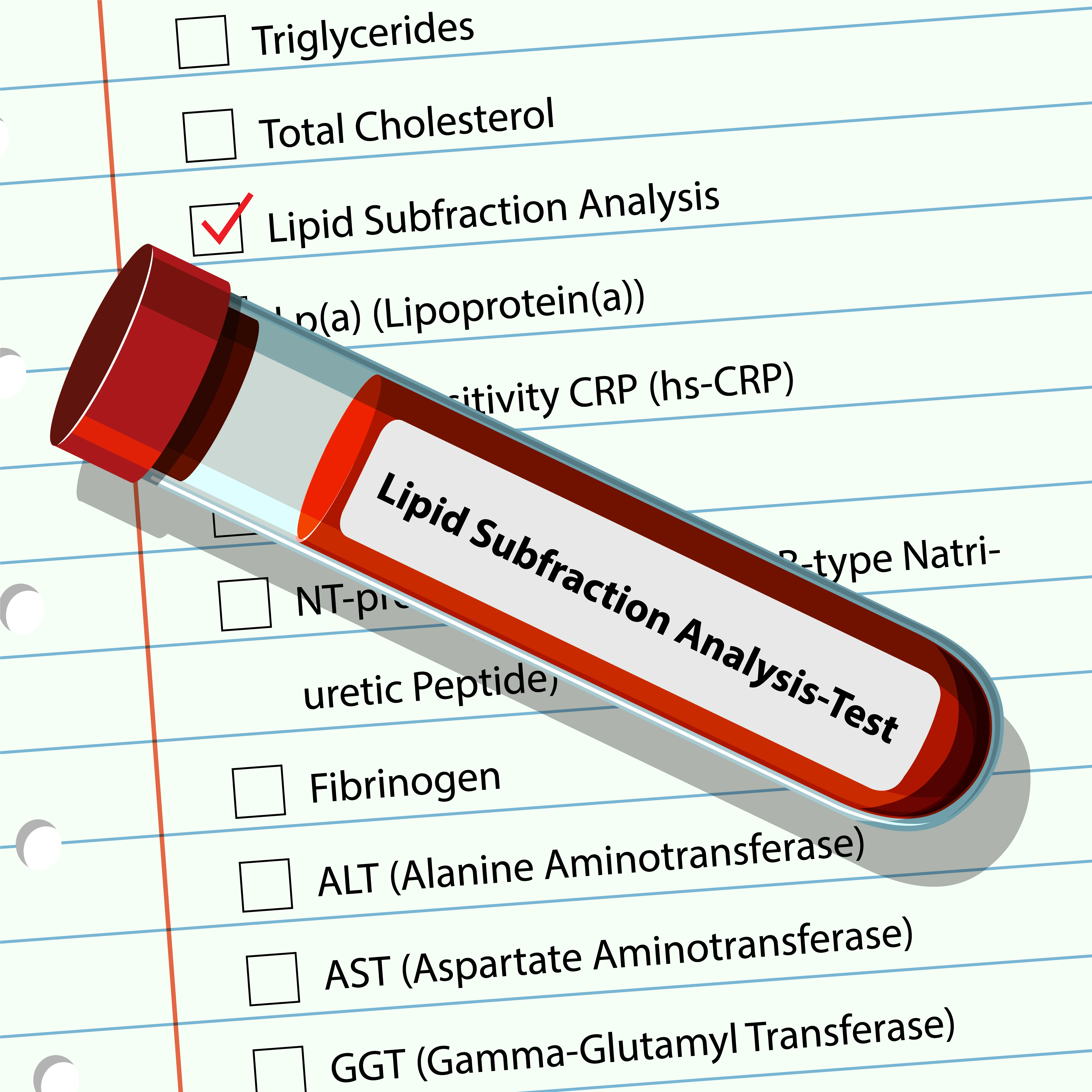
A lipid profile measures different types of fats in the blood.
This includes total cholesterol, LDL (bad cholesterol), HDL (good cholesterol), and triglycerides.
Each component provides valuable insight into cardiovascular risk.
Employees may feel healthy and energetic.
Yet cholesterol imbalance often develops without symptoms.
This makes regular testing especially important for working professionals.
Why Employees Are at Higher Risk Today
Workplace demands have changed significantly in recent years.
Extended screen time reduces opportunities for physical activity.
Even those who exercise occasionally may not offset prolonged daily sitting.
Sleep deprivation is another growing issue.
Late work hours and screen exposure disrupt natural sleep cycles.
Poor sleep is directly linked to unfavorable lipid levels.
Social habits also influence health.
Frequent dining out, stress-related snacking, smoking, or alcohol use can quietly affect cholesterol.
Employees juggling work and family responsibilities often overlook preventive checkups.
The Role of a Lipid Profile Test in Preventive Care
A lipid profile test acts as an early warning system.
It identifies risks long before symptoms like chest pain or breathlessness appear.
Early detection allows lifestyle changes to be more effective.
For employees, this test supports informed decision-making.
It helps doctors recommend diet modifications, exercise routines, or further evaluation if needed.
In many cases, timely intervention prevents long-term complications.
Preventive testing empowers individuals.
Understanding numbers builds awareness and encourages accountability.
Heart care then becomes part of routine wellness, not a reaction to illness.
When Should Employees Consider Testing
Certain situations increase the need for cholesterol screening.
Employees over the age of 30 should consider regular lipid monitoring.
However, younger professionals with stressful or sedentary jobs should not delay testing.
Those with a family history of heart disease face higher genetic risk.
Even with a healthy appearance, internal markers may tell a different story.
Weight gain, fatigue, or reduced stamina are also subtle signals worth noting.
Periodic health checkups that include cholesterol evaluation are recommended.
They provide a baseline for comparison over time.
Consistency is key to meaningful preventive care.
Importance of Location-Based Preventive Testing
Access to reliable diagnostics plays a crucial role in preventive health.
Urban professionals benefit from centers that understand lifestyle-related health risks.
A Lipid Profile Test in Pune, for example, supports employees in a fast-paced work environment.
Local diagnostic centers offer convenience and timely reporting.
This encourages regular testing rather than one-time health checks.
Consistency helps track changes and assess improvement or progression.
Choosing the right diagnostics center ensures accuracy and trust.
Quality testing forms the foundation of effective medical guidance.
Employees can then focus on making informed lifestyle adjustments.
How Early Awareness Supports Long-Term Heart Health
Knowing cholesterol levels early reduces uncertainty.
It allows small but impactful changes in daily routines.
Simple steps like regular walking, balanced meals, and stress management go a long way.
Workplace wellness programs increasingly emphasize preventive screenings.
Employees who participate often show better health outcomes.
Awareness fosters a culture of shared responsibility for wellbeing.
Heart health is not built overnight.
It is shaped by consistent choices and regular monitoring.
Preventive diagnostics bridge the gap between intention and action.
Choosing the Right Diagnostics Centre Matters
Accurate results depend on reliable testing standards.
A good diagnostics centre prioritizes quality control and patient comfort.
Clear communication and timely reporting enhance the testing experience.
Employees often hesitate due to time constraints.
Centers that streamline processes make preventive care easier to follow.
Trust in results builds confidence in taking the next steps.
Finding a diagnostics partner that values preventive health is essential.
Such centers contribute not just to diagnosis, but to awareness and education.
This approach aligns with long-term community health goals.
Conclusion
From office chairs to heart care, the journey toward better health begins with awareness.
Sedentary work lifestyles and daily stress quietly influence cholesterol levels.
A lipid profile test helps uncover risks that may otherwise remain unnoticed.
Regular screening supports early intervention and informed lifestyle choices.
It empowers employees to take charge of their heart health before complications arise.
Preventive diagnostics form the backbone of responsible healthcare decisions.
AG Diagnostics is committed to supporting patients with reliable testing services.
With a focus on accuracy, care, and preventive health, they help individuals make informed choices.
Taking a small step today can protect heart health for years to come.