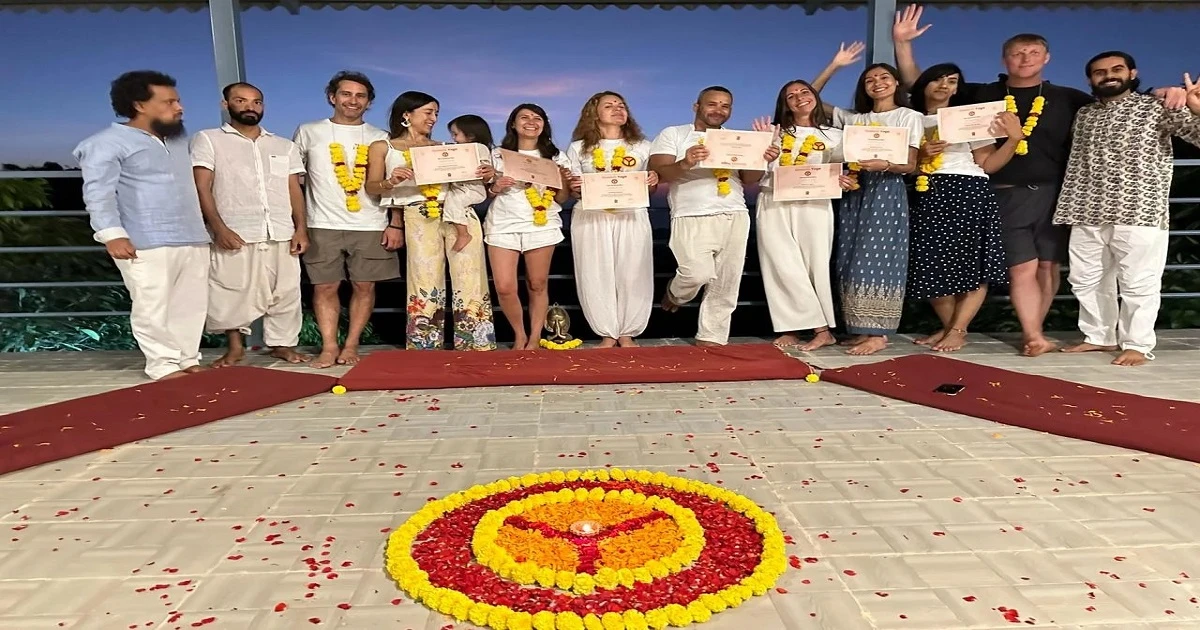
A Practical Overview for Serious Yoga Aspirants
A 200 hrs yoga teacher training goa program is often the first professional step for practitioners who want structured skills, confidence, and internationally accepted credentials. In Goa, this training is shaped by a mix of traditional Indian yogic systems, coastal living, and immersive residential formats. This article walks step by step through what users actually need to know before choosing, enrolling, and completing a 200 Hour Yoga Teacher Training Goa program—without unnecessary philosophy or motivational fluff.
The focus here is on curriculum structure, daily schedules, certifications, specialization options, add-on healing courses, and how Goa-based trainings compare within Yoga Teacher Training in India.
Step 1: Understanding the 200 Hour Yoga Teacher Training Program Structure
A 200 Hour Yoga Teacher Training Program in Goa typically runs for 21–28 days in a residential format. The structure is standardized across most Yoga Teacher Training India schools, though delivery styles vary.
Core Modules You Will Study
-
Hatha Yoga (traditional alignment-based practice)
-
Vinyasa Flow (sequencing and transitions)
-
Ashtanga Primary Series (selective, not full series)
-
Pranayama techniques (breath control)
-
Meditation practices (guided + silent)
-
Yoga Anatomy & Physiology
-
Teaching Methodology
-
Yoga Philosophy (Yoga Sutras & basics)
-
Practicum & Teaching Practice
Hour Distribution (Typical)
| Module | Approx. Hours |
| Asana Practice | 80–90 |
| Anatomy & Physiology | 25–30 |
| Philosophy | 20–25 |
| Teaching Methodology | 25–30 |
| Practicum | 15–20 |
| Meditation & Pranayama | 20–25 |
This breakdown aligns with most globally accepted standards used across best yoga teacher training india programs.
Step 2: Daily Schedule – What Your Training Day Actually Looks Like
Understanding the daily flow is essential before enrolling in yttc in goa, especially for users balancing physical limits and learning capacity.
Sample Daily Schedule
-
06:00 – Morning Meditation & Pranayama
-
07:30 – Hatha / Ashtanga Practice
-
10:00 – Breakfast
-
11:00 – Anatomy or Philosophy
-
13:00 – Lunch & Rest
-
15:00 – Teaching Methodology
-
16:30 – Vinyasa / Yin / Hot Yin Yoga
-
18:00 – Evening Meditation
-
19:00 – Dinner
Most Yoga Courses in Goa follow this rhythm, allowing mental absorption and physical recovery.
Tip: Programs that overload more than 9 instructional hours daily often lead to burnout rather than skill-building.
Step 3: Styles of Yoga Covered in Goa-Based Trainings
Hatha & Vinyasa Foundation
Hatha yoga builds alignment awareness and injury prevention. Vinyasa develops sequencing logic and breath-to-movement coordination—essential for future teaching.
Hot Yin Yoga & Yin Yoga Positions
Hot Yin Yoga is increasingly included in Goa trainings due to its therapeutic value.
Key yin yoga positions taught:
-
Butterfly
-
Dragon
-
Sphinx
-
Sleeping Swan
-
Caterpillar
These poses focus on fascia, joints, and nervous system regulation, making them relevant for modern stress-related conditions.
Step 4: Anatomy & Injury Awareness (What Actually Matters)
Rather than memorizing Latin terms, good Yoga Teacher Training Goa programs emphasize:
-
Joint biomechanics
-
Spine movement patterns
-
Common yoga injuries
-
Modifications for beginners
-
Contraindications for special populations
Practical Anatomy Focus Areas
| Body Area | Why It Matters |
| Lower Back | Disc safety & forward bends |
| Knees | Lotus & deep flexion |
| Shoulders | Chaturanga & inversions |
| Neck | Twists & pranayama |
This approach is consistent across serious Yoga Teacher Training in India providers.
Step 5: Teaching Methodology – From Student to Instructor
Teaching methodology is the real differentiator in a 200 hrs yoga teacher training goa course.
Skills Developed
-
Cueing techniques (verbal + visual)
-
Class structuring
-
Voice modulation
-
Hands-on adjustments
-
Time management
-
Student observation
By the final week, trainees are usually teaching full 60-minute classes under supervision.
Step 6: Certification, Accreditation & Global Acceptance
Most reputable Yoga Teacher Training India programs are aligned with international standards (commonly Yoga Alliance frameworks).
What Certification Allows You To Do
-
Teach group classes
-
Conduct private sessions
-
Apply for studio positions
-
Offer online classes
-
Upgrade to advanced training
This certification is your gateway to higher-level courses like 300 hour yoga teacher training in india.
Step 7: Progression After 200 Hours – Advanced Training Options
300 Hour Yoga Teacher Training in India
After gaining teaching experience, many graduates pursue:
-
300 Hour YTT (advanced sequencing & philosophy)
-
300 hour yoga teacher training online (for flexibility)
| Level | Focus |
| 200 Hour | Foundation & Teaching Basics |
| 300 Hour | Advanced Techniques & Specialization |
Completing both leads to 500-hour recognition.
Step 8: Specialized Add-On Courses Available in Goa
Sound Healing Course
A Sound Healing Course is often offered alongside yoga training.
Includes:
-
Sound healing classes
-
Use of singing bowls & gongs
-
Chakra balancing
-
Becoming a Sound Healing Practitioner
This sound healing training integrates well with meditation and relaxation sessions.
Ayurveda & Wellness Integration
Goa-based programs frequently collaborate with wellness centers.
Options include:
-
Introductory Ayurveda modules
-
Consultation exposure with an Ayurvedic Practitioner
-
Panchakarma observation
-
Ayurveda Retreat Goa participation
These elements help yoga teachers understand lifestyle-based healing.
Step 9: Emotional & Therapeutic Retreat Elements
Some trainings integrate components of an Emotional Healing retreat.
These sessions may include:
-
Breathwork
-
Guided emotional release
-
Trauma-informed meditation
Such Emotional Healing retreats are relevant for teachers working with modern stress-related conditions, especially within a Retreat in Goa setting.
Step 10: Accommodation, Food & Environment (What to Expect)
Typical Facilities
-
Shared or private rooms
-
Walking distance to beach
-
Yoga halls with ventilation
-
Vegetarian yogic meals
Food Style
-
Plant-based
-
Ayurvedic-inspired
-
Gluten-free options in many programs
Good nutrition directly affects training outcomes.
Step 11: Who This Training Is Practically Suitable For
This training works best for:
-
Regular yoga practitioners (6+ months)
-
Fitness professionals expanding skill sets
-
Wellness coaches
-
Bodyworkers & therapists
-
Career switchers seeking teaching credentials
It may not suit those looking for casual retreats rather than structured learning.
Step 12: Cost Range & What’s Usually Included
| Expense | Included |
| Tuition | Yes |
| Accommodation | Yes |
| Meals | Yes |
| Certification | Yes |
| Airport Transfer | Sometimes |
Flights and visas are usually excluded.
A Lighter Ending (Because Not Everything Needs a Conclusion)
So… What Happens After the Mat Rolls Up?
You leave with:
-
Teaching confidence
-
Structured knowledge
-
A certificate that actually means something
-
Better body awareness
-
A clearer idea of whether yoga teaching is for you
No promises of enlightenment—just practical outcomes.
FAQs – Real Questions, Straight Answers
How physically intense is a 200 Hour Yoga Teacher Training Goa program?
It is moderately intense with 4–5 hours of daily practice. Most programs offer modifications. Recovery time is built into the schedule.
Can beginners join Yoga Teacher Training in India?
Yes, if they have consistent practice. Absolute beginners may struggle with pace and terminology.
Is Hot Yin Yoga suitable for all body types?
Yes, poses are passive and supported. Heat increases flexibility but instructors provide alternatives.
Can I teach immediately after certification?
Yes. Most graduates begin with community or online classes before studio placements.
Is it better to add sound healing training during YTTC?
Yes, combining both saves time and creates multi-disciplinary teaching options.