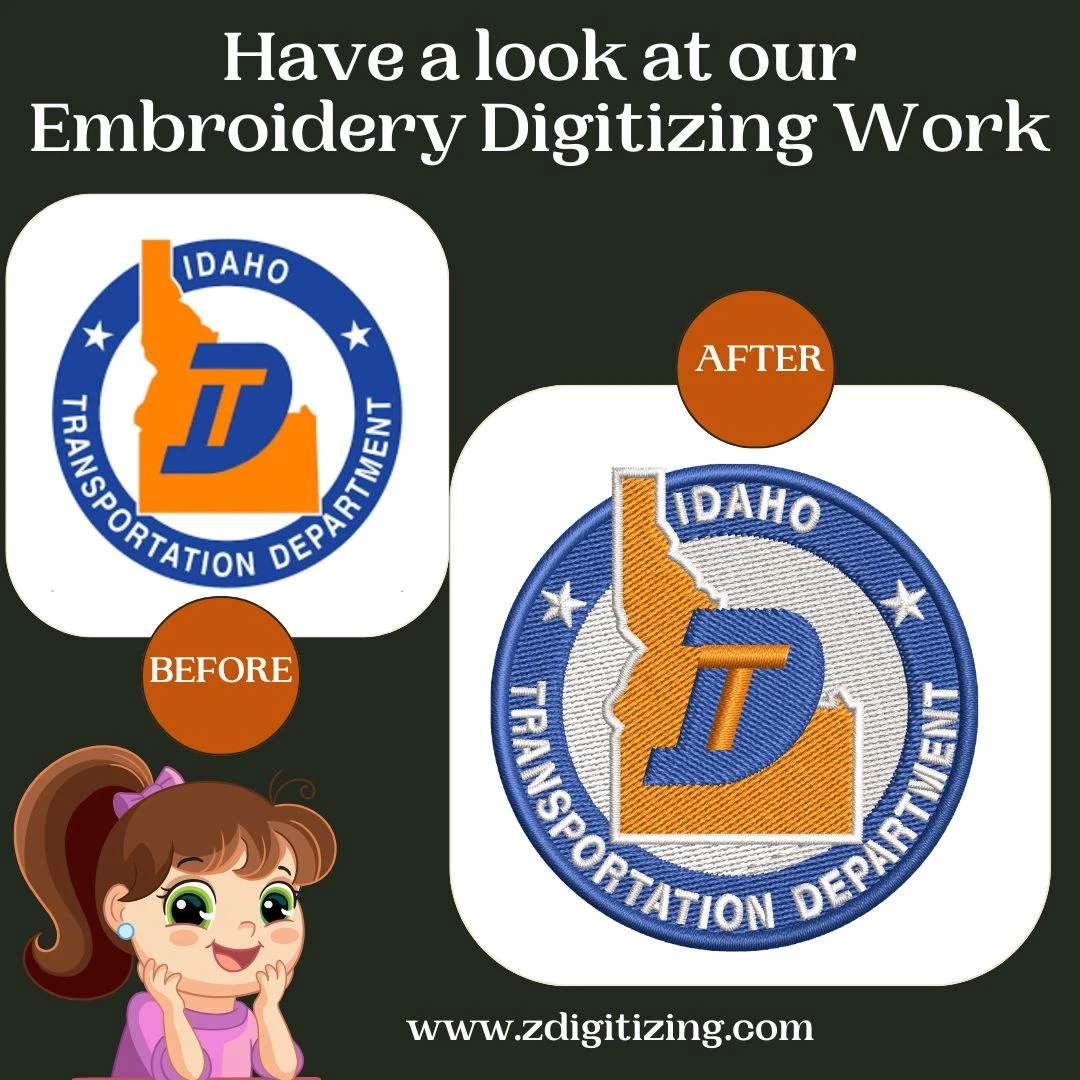
Embroidery digitizing plays a critical role in machine embroidery, directly influencing how a design appears on fabric. Even with advanced embroidery machines, the quality of the final output depends on how accurately a design is digitized.
Best embroidery digitizing converts artwork into precise stitch data, ensuring clean outlines, consistent textures, and long-term durability. For businesses, designers, and embroidery professionals, understanding proper digitizing techniques is essential for achieving reliable and professional results.
What Is Embroidery Digitizing?
Embroidery digitizing is the process of converting artwork, such as logos, text, or illustrations, into a digital embroidery file that machines can interpret. These files contain detailed instructions for stitch types, stitch direction, density, sequencing, and thread changes. Unlike standard image conversion, embroidery digitizing requires technical skill and practical knowledge of how stitches behave during embroidery.
A properly digitized design takes into account fabric characteristics, thread tension, and machine limitations. When digitizing is poorly done, common issues such as puckering, thread breaks, gaps, or distorted shapes can occur, regardless of how good the original artwork may be.
Why Quality Digitizing Matters
High-quality embroidery digitizing ensures consistency and reliability across multiple garments and production runs. It also helps reduce material waste and production delays caused by stitching errors. Businesses that rely on embroidery for branding or merchandise benefit greatly from accurate digitizing.
Some key advantages of quality digitizing include clean edges, controlled stitch flow, balanced density that protects fabric, fewer machine interruptions, and accurate detailing. Without proper digitizing, even premium threads and equipment cannot deliver consistent embroidery results.
Characteristics of the Best Embroidery Digitizing
The best embroidery digitizing combines technical accuracy with a deep understanding of embroidery mechanics. Skilled digitizers analyze each design element and adjust stitch settings to ensure smooth production and visual clarity.
Important characteristics include correct stitch selection for each design area, density adjustments based on fabric type, effective underlay stitches for support, and efficient stitch sequencing to minimize trims and jumps. Accurate scaling is also essential so designs maintain their proportions when resized.
Common Types of Embroidery Digitizing
Different embroidery projects require specific digitizing approaches. Understanding these variations helps ensure the right method is applied for each design.
Common types include logo digitizing for branding, lettering digitizing for clear and readable text, 3D puff digitizing for raised effects, appliqué digitizing for layered fabric designs, and left chest digitizing for small, detailed placements. Each type requires specific techniques to ensure smooth stitching and professional results.
Benefits of Professional Embroidery Digitizing Services
While digitizing software is widely available, professional embroidery digitizing services often provide better outcomes. Experienced digitizers understand how different fabrics react to stitches and how to adjust files for optimal results.
Professional services offer consistent quality, faster processing times, compatibility with various embroidery machines, and fewer production errors. For businesses handling repeat orders or large volumes, professional digitizing can reduce costs by minimizing rework and material waste.
How to Choose the Best Embroidery Digitizing
Selecting the right embroidery digitizing solution requires careful evaluation. Whether reviewing digitized files or choosing a service provider, quality should always be the priority.
Key factors to consider include proven experience with different embroidery styles, the ability to manage complex artwork, access to stitch previews or test samples, clear communication, and knowledge of fabric-specific digitizing techniques. The best embroidery digitizing focuses on stitch performance rather than relying solely on automated processes.
Future of Embroidery Digitizing
Embroidery digitizing continues to evolve with advancements in software and machine capabilities. While automation tools assist with basic designs, experienced digitizers remain essential for handling complex layouts, specialty fabrics, and detailed artwork. Practical expertise ensures designs stitch accurately and consistently across different production environments.
Final Thoughts
Best embroidery digitizing is essential for producing high-quality machine embroidery. It ensures designs stitch cleanly, maintain consistency, and perform well over time. Whether working on custom apparel, branded merchandise, or personal projects, investing in accurate digitizing leads to better embroidery outcomes.
By focusing on stitch planning, fabric awareness, and technical precision, embroidery digitizing transforms artwork into reliable embroidery files suitable for professional use.
FAQs
What file formats are commonly used in embroidery digitizing?
Common embroidery file formats include DST, PES, EXP, and JEF. The required format depends on the embroidery machine being used.
Can one digitized file work on all fabrics?
No. Different fabrics require adjustments in stitch density, underlay, and pull compensation. A file optimized for one fabric may not perform well on another.
How long does embroidery digitizing take?
Turnaround time depends on design complexity. Simple text designs may take a few hours, while detailed logos or specialty digitizing can take longer.
Is auto-digitizing reliable for professional embroidery?
Auto-digitizing can work for basic designs, but it often lacks the precision needed for professional results. Manual digitizing by experienced professionals usually delivers better stitch quality.