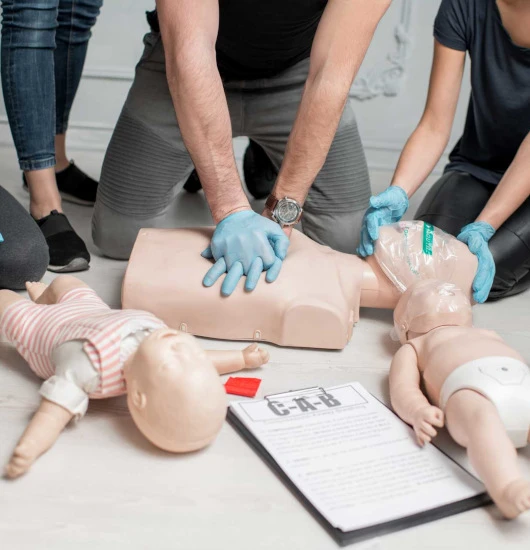
Safety is the foundation of quality childcare. Parents trust educators not only to nurture learning and development but also to protect children from harm. In busy childcare environments, accidents and medical incidents can happen without warning. From minor cuts to serious emergencies, the ability to respond quickly and correctly is vital. This is where proper first aid training becomes essential. Understanding childcare-specific first aid equips educators with the skills, confidence, and judgement needed to handle unexpected situations calmly and effectively.
The Unique Nature of Childcare Environments
Childcare settings are fast-paced and unpredictable. Young children are still developing coordination, awareness, and communication skills, which makes them more vulnerable to injury. Infants and toddlers, in particular, rely entirely on adults to recognise when something is wrong.
Unlike other workplaces, childcare professionals must be prepared for age-specific emergencies such as choking on food, sudden allergic reactions, or febrile seizures. This is why general first aid knowledge is not enough. The best first aid for childcare focuses on real-world scenarios that educators are most likely to face during daily routines.
Common Emergencies in Childcare Settings
Understanding common risks helps highlight why specialised training is so important. Some of the most frequent incidents in childcare include:
Choking and Breathing Emergencies
Small objects, food, and even toys can pose serious choking hazards. Knowing how to respond immediately can prevent severe injury or worse.
Falls and Physical Injuries
Children are constantly moving, climbing, and exploring. Falls can result in head injuries, fractures, or sprains that require proper assessment and care.
Allergic Reactions and Asthma
Many children in care have known allergies or respiratory conditions. First aid training teaches educators how to recognise symptoms early and respond appropriately.
Burns, Cuts, and Illness
From hot surfaces to playground scrapes, minor injuries are common. Correct first aid reduces infection risk and speeds up recovery.
What Quality Childcare First Aid Training Includes
A well-designed childcare first aid course goes beyond theory. It combines practical skills with decision-making strategies so educators can act confidently under pressure.
Infant and Child CPR
Participants learn safe, approved CPR techniques specifically designed for infants and young children.
Emergency Action Planning
Training covers how to assess situations quickly, contact emergency services, and manage other children during an incident.
Injury and Illness Management
Courses teach how to treat wounds, burns, and medical conditions while monitoring a child’s condition until help arrives.
Infection Control Practices
Understanding hygiene, cross-contamination, and illness prevention is essential for maintaining a healthy childcare environment.
Meeting Legal and Industry Requirements
In many regions, childcare regulations mandate current first aid certification for educators. These requirements exist to ensure consistent safety standards across early learning centres.
Holding recognised first aid qualifications not only supports compliance but also demonstrates professionalism. Parents are more likely to trust centres that prioritise staff training and safety preparedness.
Choosing a Trusted Training Provider
Selecting the right training provider plays a big role in how effective the learning experience is. Look for providers with experience in childcare and education settings, practical training methods, and nationally recognised certification.
Providers such as Growth Training Group focus on delivering structured, practical training that aligns with workplace expectations, helping educators feel confident applying their skills in real situations.
Benefits That Extend Beyond Emergencies
First aid training has long-term benefits for childcare teams. It builds confidence, improves communication, and encourages a proactive approach to safety. Educators who feel prepared are more likely to remain calm during incidents and support one another effectively.
This culture of preparedness also reassures parents, strengthens centre reputation, and contributes to a safer learning environment overall.
Keeping Skills Current
First aid knowledge is not static. Guidelines and best practices change, making regular refresher courses essential. Ongoing training ensures educators remain confident and capable, even if they have not faced an emergency recently.
Refresher sessions reinforce critical skills, improve response times, and keep safety knowledge up to date across the entire childcare team.
Conclusion
First aid training is a critical responsibility for anyone working in childcare. It equips educators with the skills needed to protect children, respond effectively to emergencies, and meet regulatory requirements. By investing in high-quality, childcare-focused first aid education, centres create safer environments where children can thrive and parents can feel confident in the care their children receive.