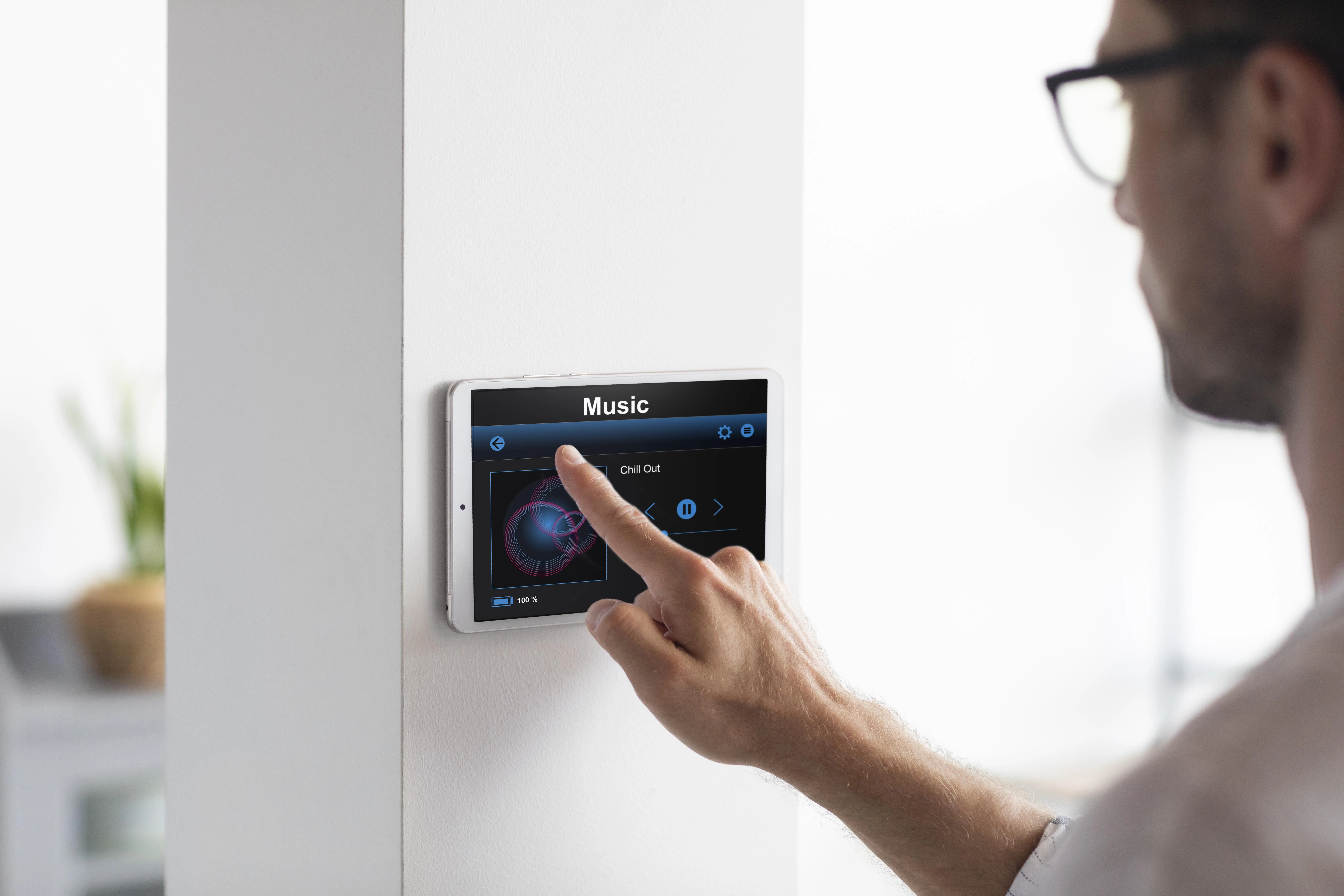
Security is no longer just about strong doors and metal keys. As homes and businesses become smarter, security solutions have evolved to offer better control, higher protection, and greater convenience. Electronic security locks are at the forefront of this transformation, combining advanced technology with user-friendly features. From biometric access to remote monitoring, these systems are changing how people protect what matters most. Understanding how they work, their benefits, and how to choose the right one can help you make a confident, future-proof decision.
What Are Electronic Security Locks?
Electronic security locks are locking systems that use digital authentication instead of traditional keys. Access may be granted through PIN codes, key cards, fingerprint scanners, mobile apps, or even facial recognition. These locks are commonly installed in residential properties, offices, retail stores, and high-security facilities.
Unlike mechanical locks, electronic systems offer flexibility and traceability. Many models allow you to monitor access history, set temporary permissions, and integrate with broader security or smart home systems.
Key Benefits of Electronic Security Locks
Enhanced Security
Electronic locks significantly reduce the risk of unauthorised access. Since there are no physical keys to copy or lose, the chances of break-ins due to stolen keys are minimised. Advanced encryption and authentication methods further strengthen protection.
Convenience and Control
Managing access is easier than ever. You can grant or revoke entry instantly, whether it’s for employees, tenants, or guests. Many systems allow remote access management through smartphones or computers, making them ideal for busy households and organisations.
Audit Trails and Monitoring
One of the biggest advantages is visibility. Electronic locks often record who accessed a door and when. This feature is particularly valuable for businesses that need accountability and compliance.
Types of Electronic Security Locks
Keypad Locks
These locks require a numeric code for entry. They are simple, affordable, and widely used in both homes and offices. Codes can be changed regularly to maintain security.
Biometric Locks
Using fingerprints or facial recognition, biometric locks provide a high level of security. Since biometric data is unique, these locks are difficult to bypass and ideal for sensitive areas.
Smart Locks
Smart locks connect to mobile apps or smart home systems. They allow remote locking and unlocking, real-time alerts, and integration with cameras or alarms.
Card and Fob Access Systems
Common in commercial settings, these systems use key cards or RFID fobs. They are scalable and efficient for managing multiple users across different access points.
Choosing the Right Electronic Lock
When selecting the Best Electronic Security Locks for your property, consider the following factors:
-
Security Level: Identify whether the lock is for residential, commercial, or high-security use.
-
Access Methods: Decide between PIN, biometric, mobile, or multi-factor authentication.
-
Integration: Ensure compatibility with existing security systems or smart technology.
-
Durability: Look for weather-resistant and tamper-proof designs, especially for external doors.
-
Ease of Use: The system should be simple for authorised users while remaining secure.
Installation and Maintenance Considerations
Professional installation is often recommended to ensure proper alignment, wiring, and system configuration. Poor installation can compromise performance and security. Routine maintenance, such as software updates and battery checks, is essential to keep the system reliable.
Working with experienced security providers, such as Bond Security Group, can help ensure the lock system is installed correctly and tailored to your specific security needs.
Common Myths About Electronic Locks
Some people believe electronic locks are easy to hack or unreliable during power failures. In reality, modern systems use strong encryption and backup power options, such as batteries, to remain operational during outages. Like any technology, quality and proper installation make a significant difference.
Conclusion
Electronic security locks represent a smarter, safer way to protect homes and businesses in today’s connected world. They offer superior security, unmatched convenience, and valuable insights into access control. By understanding the different types, benefits, and selection criteria, you can choose a solution that meets your current needs while preparing for future advancements. Investing in the right electronic locking system is not just about security—it’s about peace of mind, efficiency, and confidence in a modern lifestyle.