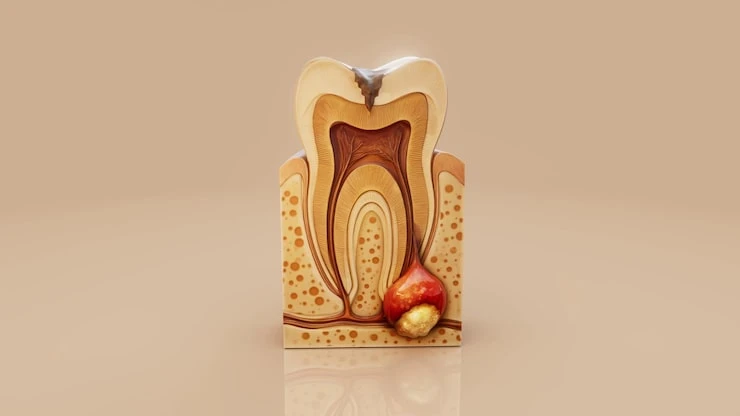
Ignoring a root canal does not make the problem disappear; it makes it stronger. Tooth pain often fades and returns, which tricks many people into waiting. Inside the tooth, infection continues quietly. Damage spreads even when discomfort pauses. Early action saves more than just a tooth, it protects overall health. Patients searching for a root canal in Burlington often arrive after a delay, wishing they had acted sooner.
Why Dentists Recommend a Root Canal in the First Place
A root canal treats infection deep inside a tooth. Bacteria reach the nerve through cracks, decay, or injury. Once inside, the body cannot heal itself alone. Antibiotics offer temporary relief but do not remove the source. Dentists recommend treatment to clean and seal the tooth. This stops infection from spreading. Delaying care allows damage to grow beyond the tooth and into the surrounding bone.
What Happens Inside the Tooth When You Wait
Inside an untreated tooth, bacteria multiply rapidly. Pressure builds as the infection spreads through the nerve tissue. Pain may come and go, but damage continues nonstop. The nerve slowly dies, which explains temporary relief. This calm does not mean healing. Infection moves toward the root tip and jawbone. Structural damage increases daily. At this stage, saving the tooth becomes harder, and treatment options shrink.
Pain Patterns That Mislead Patients
Pain does not follow logic during dental infection. Sharp pain may fade, causing false comfort. Many patients delay treatment during quiet periods. This delay allows deeper infection. The next pain episode often arrives stronger and lasts longer. Swelling or throbbing may appear suddenly. Night pain becomes common. These signs indicate an advanced infection that now affects surrounding tissues.
Infection Spreads Beyond the Tooth
An untreated infection never stays contained. Bacteria travel through the root into the bone. Abscess formation follows. Swelling, fever, and facial pressure may develop. In severe cases, the infection spreads to the sinuses or bloodstream. This creates serious health risks. Treatment becomes urgent and complex. A simple root canal early could have prevented this chain reaction. Delay increases both risk and cost significantly.
Bone Loss and Tooth Stability Issues
Bone reacts quickly to infection. As bacteria destroy tissue, bone begins dissolving. Support around the tooth weakens. Nearby teeth may loosen over time. Bite alignment changes subtly. Chewing becomes uncomfortable. Bone loss also complicates future dental treatments. Implants or bridges may require extra procedures later. Protecting bone early preserves long-term oral structure and function.
How Delay Can Lead to Tooth Loss
Saving a tooth depends on timing. Early root canal treatment removes infection and protects the structure. Delay allows cracks and decay to worsen. The tooth may become too fragile to restore. Extraction becomes the only option. Losing a natural tooth affects chewing, speech, and confidence. Replacement options cost more and require longer recovery. Early care preserves what cannot be replaced naturally.
Emergency Visits Replace Planned Care
Delayed treatment often ends in emergency appointments. Pain spikes unexpectedly. Swelling worsens quickly. Patients seek urgent relief rather than planned care. Emergency procedures feel more stressful. Treatment choices become limited. Recovery may take longer. Planned root canal care offers comfort and control. Emergency care focuses on stopping pain, not preserving options.
Why Root Canal Myths Cause Harmful Delays
Many fears come from outdated stories. Modern root canals feel similar to fillings for most patients. Advanced techniques improve comfort and speed. Pain usually comes from infection, not treatment. Avoiding care due to fear allows damage to grow. Education changes outcomes. Understanding modern care helps patients act sooner and avoid complications.
Financial Impact of Waiting Too Long
Delay increases cost over time. Simple treatment becomes complex care. Extra imaging, medications, or surgery may follow. Tooth replacement adds expense later. Early root canal treatment often costs less than extraction plus replacement. Acting early protects both health and budget. Planned care allows financial clarity and fewer surprises.
How Dentists Assess Severity After Delay
Dentists evaluate infection through exams and imaging. They check bone health and tooth structure. Delayed cases often show advanced damage. Treatment plans adjust accordingly. Some teeth remain savable, others do not. Honest discussion helps patients understand options. Early visits increase chances of saving the tooth and avoiding surgery.
Long-Term Health Risks Beyond the Mouth
Oral infection affects overall health. Bacteria can enter the bloodstream. This stresses the immune system. Chronic infection links to heart and sinus issues. Addressing dental infection supports whole-body health. Root canal treatment removes a constant source of inflammation. This improves wellness beyond the mouth.
Why Acting Early Preserves Comfort
Early treatment limits pain duration. Infection stays localized. Recovery remains smoother. Patients return to normal routines faster. Waiting adds layers of discomfort. Anxiety increases as symptoms worsen. Early care offers peace of mind. Knowing the problem is resolved brings lasting relief.
Local Care Makes Timely Treatment Easier
Access matters when pain begins. Patients seeking a root canal in Burlington, MA, value quick evaluation and follow-up. Local care reduces delays. Dentists track healing closely and adjust care as needed. Familiar providers build trust. This connection encourages patients to act early rather than wait.
How Experience Improves Outcomes
Experienced dentists recognize subtle warning signs. They plan treatment carefully. Gentle technique reduces stress and recovery time. Clear communication sets expectations. Patients feel confident moving forward. Experience matters most when the infection has progressed. Skilled care protects the remaining tooth structure and bone.
What Happens After Successful Treatment
After treatment, the tooth feels normal again. Infection is gone. Pain fades steadily. Dentists often place a crown to protect the strength. Proper care keeps the tooth functional for years. Regular checkups monitor stability. Early action leads to long-term success.
Delaying Treatment Rarely Ends Well
Waiting rarely improves outcomes. Infection does not heal alone. Damage spreads silently. Pain returns stronger. Options shrink. Early treatment offers control and comfort. Delay brings urgency and stress. Patients who act sooner avoid regret later.
Protect Your Tooth Before Damage Becomes Permanent
Choosing timely care preserves health and comfort. A consultation clarifies the next step. Address the infection before it spreads further. Patients searching for a root canal in Hudson, NY, or nearby areas benefit from early evaluation. Schedule a visit and protect your smile before delay creates lasting consequences.