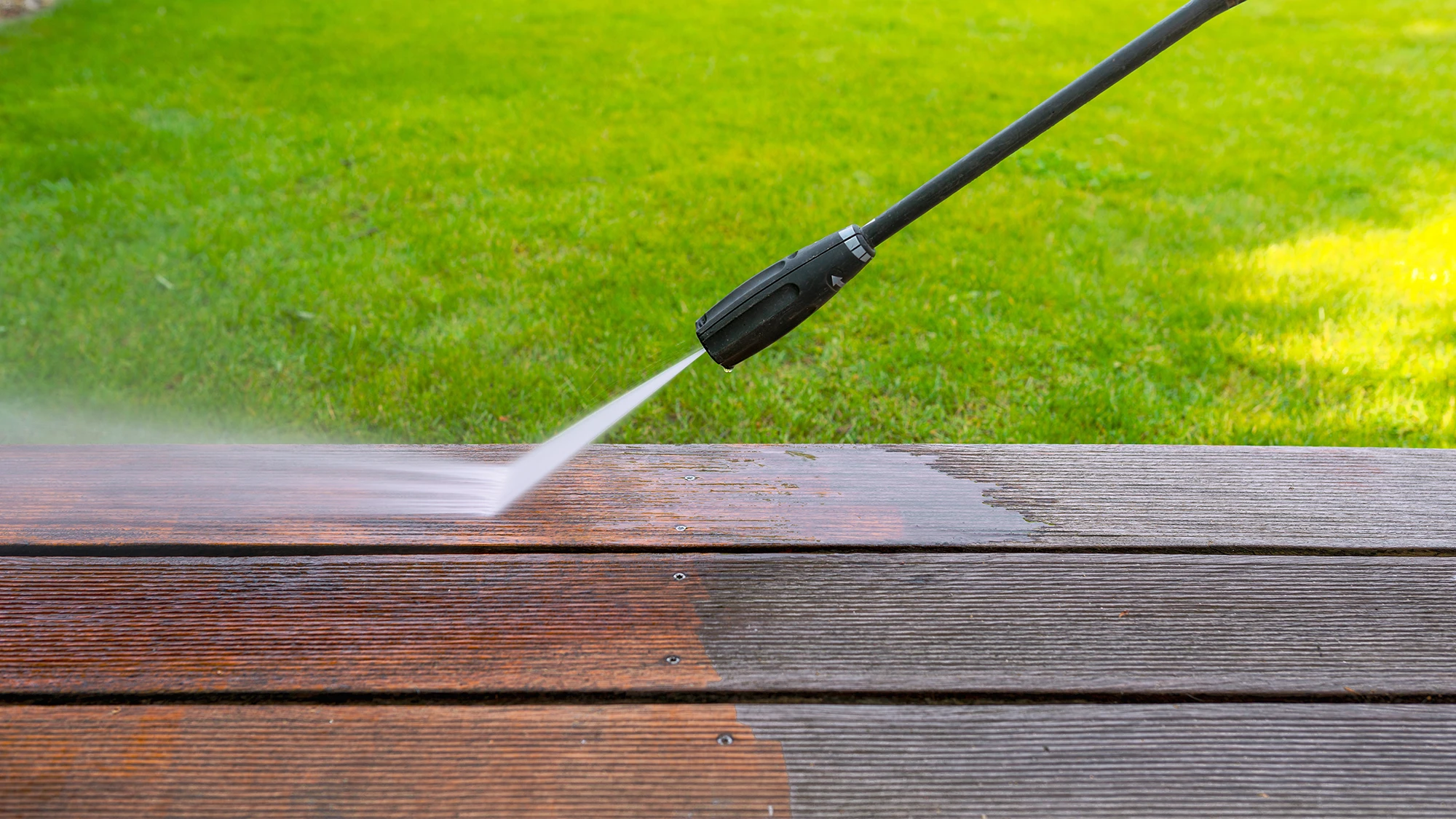
Pressure washers are basically magic when it comes to cleaning stuff. Seriously, they blast away dirt and grime that would take you forever to scrub off by hand. Got a grimy driveway? Dirty deck? Nasty siding? A pressure washer handles it all in like a fraction of the time.
But here's where things get tricky. These machines pack a serious punch. Use one wrong and you could totally wreck your deck, blow holes in your siding, or even hurt yourself pretty badly. Not trying to scare you – just keeping it real.
The cool part? Most pressure washer disasters are super easy to avoid once you know what not to do. Let's dig into the biggest screw-ups people make and how you can dodge them.
Using the Wrong Pressure Setting
Okay, this one trips up almost everyone at first. You can't just crank everything up to max power and go to town. Different stuff needs different pressure levels.
PSI means pounds per square inch. Basically, it's how hard the water hits. Your car? Keep it gentle – maybe 1200 to 1900 PSI tops. Wooden deck? Stay under 1500 PSI unless you want to shred the wood fibers. Concrete though? That beast can usually take 3000 PSI no problem.
Commercial power pressure washers usually let you adjust the settings for exactly this reason. Before you start blasting away, figure out what you're dealing with and set the pressure right. Starting low and bumping it up is way smarter than going full blast and regretting it.
Holding the Nozzle Too Close
Standing right up close and spraying might feel like you're getting it extra clean. Nope. That's actually how you destroy things.
Get too close with that concentrated stream and you'll chip paint, gouge wood, etch concrete, even slice through vinyl siding. At close range, the water basically acts like a cutting tool. It's wild how much damage it can do.
Start at least two feet back. Maybe closer is fine, maybe not – but give yourself that cushion. Keep your eyes open while you spray. Seeing the surface start to chip or lift? Back off right away. Softer materials need even more distance.
Choosing the Wrong Nozzle
Your pressure washer came with a bunch of colored nozzles. They're not just for looks – each one does something different.
Red nozzle? Zero-degree spray. It's like a water laser beam. Super intense. Only use this on really tough stains on hard surfaces, and even then, be careful.
Yellow gives you 15 degrees. Good for stripping paint or heavy-duty concrete cleaning. Green at 25 degrees is your everyday workhorse for most jobs. White at 40 degrees is gentler – perfect for cars and windows. Black is specifically for soap.
Wrong nozzle is like bringing a chainsaw to trim your houseplants. Match the tool to what you're doing. Working with pressure washers in Bergen County on your house? That green nozzle is probably gonna be your best buddy.
Forgetting to Test First
You wouldn't paint your whole living room without testing the color on one wall first, right? Same deal here.
Always, always test a small hidden spot before going all-in. Find somewhere nobody sees – behind a shrub, in a corner, whatever works. Hit it with your settings and see what happens.
This simple step can save you from trashing an entire surface. Test spot looks awesome when it dries? You're golden. Shows damage? Great, you caught it early and can adjust before making a huge mess.
Not Using the Right Cleaning Solution
Sometimes water alone just doesn't cut it. Grease, mold, stubborn stains – they need help from detergent. But you can't dump just any cleaner in there.
Regular household cleaners will mess up your pressure washing equipment. The pump and internal bits weren't built for harsh chemicals or thick soaps. Stick with cleaners made specifically for pressure washers.
Need to remove mold from concrete? Grab a pressure washer detergent designed for that exact job. They work with your machine instead of fighting against it. Always double-check the label.
Oh, and here's a tip – let the soap sit for a few minutes before rinsing. Don't spray and immediately blast it off. Give it time to actually do its job.
Spraying in the Wrong Direction
How you angle the spray matters way more than most people realize. Don't just aim straight at stuff like you're trying to drill through it. Use a sweeping motion at roughly 45 degrees.
This is huge for wood surfaces. Spray with the grain, not against it. Going against the grain splinters and wrecks the wood.
On siding, never spray upward. Water gets forced behind the siding and then you've got moisture issues and mold growing inside your walls. Always spray down or straight across.
For concrete, angling helps stop the water from just bouncing straight back at you. Plus it cleans more evenly without those weird streaky marks.
Ignoring Safety Gear
Look, safety gear isn't cool or fun. It's easy to skip. But pressure washers are legitimately dangerous when things go sideways.
Bare minimum – wear safety goggles. Rocks, dirt, paint chips, all that junk flies everywhere. One piece in the eye and you're headed to the ER.
Closed-toe shoes aren't optional. The water stream can cut skin. Spray your foot in flip-flops? You're looking at a nasty injury that could've been avoided.
Long pants protect your legs from debris and chemicals. Detergent splashing on bare skin is no fun. Hearing protection is smart too, especially with commercial power pressure washers that get seriously loud.
Leaving Water in the Machine
This mistake sneaks up on people, particularly if you're in Bergen County where winters get brutal. Water trapped inside freezes and expands, cracking the pump. That's hundreds of bucks down the drain.
After each use, run the machine until it's dry. Lots of folks use pump saver – basically antifreeze made for pressure washers. Spray it in the intake, run the machine briefly, and it protects the internal parts from freezing and rust.
Store your washer somewhere dry where it won't freeze if you can. Garage or shed works perfectly.
Pressure Washing the Wrong Things
Some stuff just shouldn't meet a pressure washer. Period.
Never hit old paint that might contain lead. The force creates lead dust you'll breathe in. Same with anything containing asbestos.
Electrical panels, meters, outdoor outlets – obviously bad ideas. Water plus electricity equals disaster. AC units have delicate fins that bend under pressure.
Windows can crack, especially older ones. Those pretty flowers in your garden? They'll get absolutely shredded.
For this stuff, hand wash or call someone who knows what they're doing.
Starting Without Reading the Manual
Nobody likes reading manuals. I get it. But pressure washers aren't all identical. Yours might have specific quirks.
The manual explains what oil to use, when to change it, what fuel if it's gas-powered, how to start it properly. It covers safety warnings for your exact model.
Spend like 10 minutes skimming it. Check the oil before first use. Make sure you understand the basic controls. Small time investment prevents massive headaches.
Not Maintaining Your Equipment
Pressure washing equipment needs regular TLC. Check oil regularly like you would a lawn mower. Low or dirty oil kills the engine fast.
Clean or swap air filters when needed. Clogged filter makes the engine strain and can cause overheating. Look over hoses for cracks, bulges, damage. A bursting hose can whip around and hurt someone.
Notice pressure dropping? Weird noises? Leaks? Hard to start? Don't ignore this stuff. Fix it before it becomes expensive. Maintenance seems annoying but it beats replacing the whole unit.
Conclusion
Pressure washers rock when you use them right. They save tons of time on cleaning projects around your place or business. But they need respect and proper technique.
Skip these common mistakes and you'll get way better results while staying safe. Take it slow, use correct settings and nozzles, wear your safety gear, take care of your equipment. Whether you're using pressure washers in Bergen County at home or running commercial power pressure washers for work, these rules apply.
Start easy, stay smart, and you'll be crushing it with your pressure washer in no time. Your driveway will thank you.