Look, losing a tooth sucks. It's not just about the gap in your smile when you're taking selfies—it actually messes with how you eat, how you talk, and honestly, how confident you feel. But here's the thing: you're not stuck with that gap forever. You've got two really solid ways to fix it: dental bridges and implants.
Now, picking between them? That's where people get tripped up. Do you go with a bridge because it's faster and easier on your wallet? Or do you bite the bullet and get an implant that'll stick around basically forever? Let's dig into this and figure out what makes sense for you specifically.
What Is a Dental Bridge?
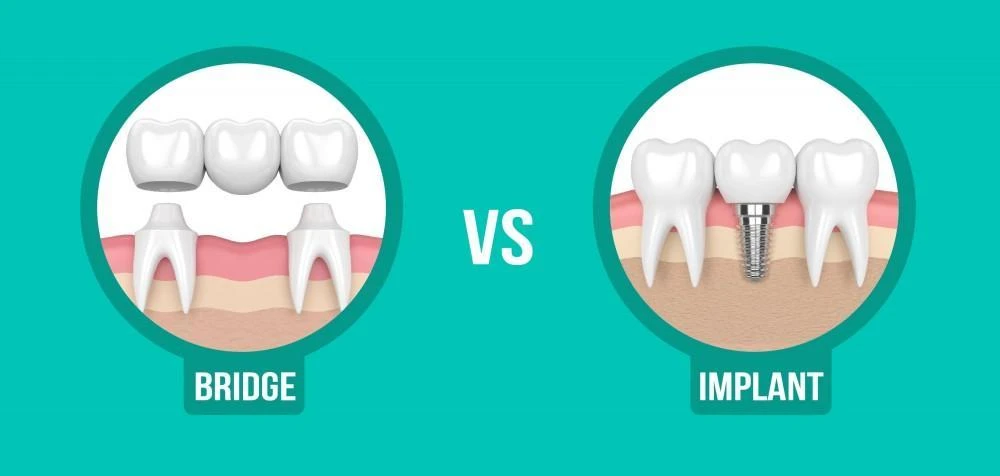
Okay, so imagine you've got a gap where a tooth used to be. A dental bridge is basically a fake tooth (or teeth) that gets anchored to the real teeth on either side of that gap. It literally bridges the space—pretty straightforward name, right?
There are different kinds. The most common type is a traditional bridge where they put crowns on the teeth next to the gap and those hold the fake tooth in place. Cantilever bridges are for when you've only got teeth on one side. Then there's Maryland bridges, which use this metal or porcelain framework that glues to the back of your neighboring teeth instead of covering them completely.
Most bridges hang in there for about five to fifteen years if you treat them right. Not forever, but that's still a pretty decent run.
What Is a Dental Implant?
Implants are a completely different animal. Instead of depending on your other teeth, a dentist actually screws a titanium post into your jawbone during surgery. Wild, right? That post basically becomes an artificial root for your new tooth.
Here's the catch—you have to wait a few months for that metal post to fuse with your bone. It's called osseointegration, which is a fancy word for "your bone and the implant become buddies." Once that's done, they attach a connector piece called an abutment, and then finally stick a crown on top.
The cool part? Implants can legitimately last your entire life if you don't completely neglect them. That's why people are willing to deal with the longer process and higher price tag.
The Procedure: What to Expect
Getting a bridge isn't complicated. Your dentist files down the teeth on both sides of the gap so crowns can slip over them like little caps. They make molds of your teeth, ship those off to a lab, and give you a temporary bridge to wear in the meantime. A couple weeks later, boom—you're back in the chair getting your permanent bridge cemented in. Pretty quick.
Implants? Totally different story. First, there's surgery to get that post into your jawbone. Then you're playing the waiting game for three to six months while everything heals and fuses together. After that, they attach the abutment piece. And finally—finally—you get the actual crown. The whole thing can take half a year or even longer sometimes. Not exactly instant gratification.
Pain and Recovery
Bridges don't really hurt much. Your teeth might be a little sensitive for a few days after they get filed down, but that's about it. Most people are back to normal pretty fast without much drama.
Implant surgery is more intense. You're going to have some swelling, probably some bruising, and yeah, it'll be uncomfortable for several days. Pain meds definitely help though, and most folks say it wasn't nearly as terrible as they'd built it up to be in their heads. The real thing is just being patient while your body does its healing thing over those months.
Cost Comparison
Let's talk money because I know that's what everyone's really wondering about. Bridges are way cheaper upfront—usually somewhere between fifteen hundred and five thousand bucks depending on what materials you use and how many teeth you're replacing. If you're hunting around for an affordable dental bridge clinic in Texas, you'll find options at different price points.
Implants? Yeah, they're pricier. We're talking three to six thousand dollars per tooth, sometimes more. That's not pocket change. But here's the kicker—implants can last forever, while bridges eventually wear out and need replacing. So over your whole lifetime, the math might actually work out similarly.
Insurance typically covers at least some of a bridge. Implants are trickier—some plans cover them, some don't. Definitely worth a phone call to your insurance company before you commit to anything.
Lifespan and Durability
Bridges usually give you somewhere between five and fifteen solid years. How long yours lasts depends on whether you take care of it, what kind of stuff you're eating, and just regular wear and tear. Eventually the cement weakens or the teeth holding it up develop issues.
Implants though? Those things are basically permanent. The crown on top might need swapping out eventually, but that titanium post isn't going anywhere if you're brushing and flossing like you should. That whole "set it and forget it" aspect is pretty appealing.
Impact on Surrounding Teeth
Here's something you need to think about seriously. To place a bridge, your dentist has to grind down the perfectly healthy teeth on either side of the gap. Like, permanently alter them just so they can hold up the bridge. And those anchor teeth end up taking extra stress and become more vulnerable to cavities over time.
Implants leave your other teeth completely alone. They're self-supporting, standing on their own without touching anything else. For keeping your mouth healthy long-term, that's actually a massive advantage.
Appearance and Feel
Both options look natural when they're done well. A good bridge blends right in with your real teeth. Unless you point it out, people probably won't notice it's there.
But implants have this edge where they just feel more real. Because they're actually anchored into your jawbone like a natural tooth, there's zero adjustment period. It feels like your tooth never left in the first place. When you're looking for the best dentist for implants near me, you want someone who's done this enough times that they can nail that natural feel.
Maintenance and Care
Bridges need a bit of extra TLC. You can't just floss normally because there's no space between the fake tooth and your gum. You'll need floss threaders or one of those water flossers. It's not hard once you get used to it, just an extra step in your routine.
Implants? Just brush and floss like you normally would. That's literally it. No special tools, no weird techniques. Treat it like your regular teeth and you're golden. That simplicity is kind of a game-changer.
Eating and Speaking
With bridges, you might notice things feel a little weird at first. Maybe certain foods feel different, or you've got a tiny lisp for a day or two. Usually passes pretty quickly. You'll want to be somewhat careful with really hard or sticky stuff since bridges can potentially get damaged.
Implants feel so much like real teeth that eating and talking aren't even issues. Corn on the cob? Go for it. Crusty bread? No problem. They handle everything your natural teeth did.
Who Is a Good Candidate?
Bridges make sense if you want something fast and don't want to deal with surgery. Maybe you've got health stuff that makes surgery risky, or you just really need an affordable solution right now. Totally valid reasons to go the bridge route.
Implants work best when you're in decent health overall, you've got enough jawbone to work with, and you're cool with waiting months for the final product. If you're younger and thinking long-term, implants might be the smarter investment. People in Houston checking out dental bridge houston options or weighing implants should definitely have a real conversation with their dentist about what fits their situation.
Making Your Decision
Have an honest chat with your dentist about what matters most to you. Is budget the main thing? How much do you care about it lasting forever? Does the thought of surgery freak you out? Can you handle waiting half a year for the whole process?
There's no magic answer that works for everybody. The right choice comes down to your health situation, what you can afford, how patient you are, and what you personally value. Some people actually mix and match—implants for some missing teeth, bridges for others.
And if you ever end up needing dental bridge repair Houston TX services later on, at least you'll understand your options for fixes or replacements.
The Bottom Line
Whether you go with a bridge or an implant, you're making a good choice for your health and confidence. Bridges get you fixed up faster without breaking the bank. Implants give you something permanent that feels completely natural. Think through what matters to you, talk it over with a dentist you actually trust, and make the call. Either way, you're doing something positive for yourself, and that's what counts.
Frequently Asked Questions
Can I get an implant years after losing a tooth?
You can, but here's the deal—waiting too long lets your jawbone deteriorate where the tooth used to be. That might mean you need bone grafting first before they can even place an implant. Sooner is definitely better, though your dentist can check if you've still got enough bone density even if it's been years.
Will my dental bridge look fake or obvious?
Nah, modern bridges look shockingly real when they're done properly. They're custom-made to match your other teeth perfectly, right down to the color. Unless you're telling people you've got a bridge, they probably won't figure it out on their own. The technology's gotten really good.
How soon can I eat after getting an implant?
Stick with soft stuff for the first few days while your mouth recovers from surgery. Most people are back to eating normally within a week or so, though you should probably avoid chomping down on super hard foods with that side until everything's completely healed, which takes those few months.