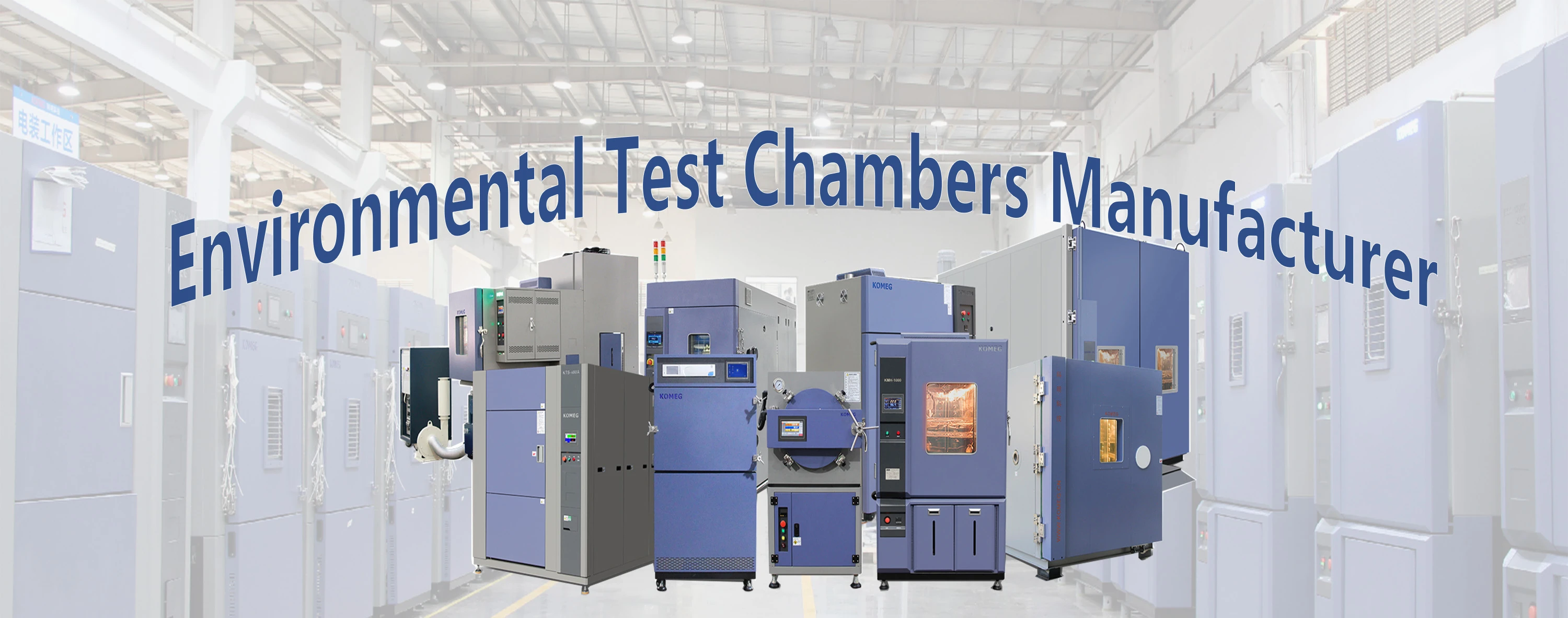
Climate test chambers are essential for automotive, electronics, aerospace, and pharmaceutical industries. They simulate temperature, humidity, pressure, and other environments to test product durability and reliability. Choosing the right chamber depends on your testing requirements, product specifications, and budget.
This guide coversthe main chamber types and practical tips to help you select the best solution for technical needs and cost control.
Main Types of Climate Test Chambers
Temperature Chambers
Simulate high/low temperatures for thermal stability testing, widely used in electronics, automotive, and aerospace.
Humidity Chambers
Control temperature and humidity to test corrosion, deformation, and mildew resistance for pharma, packaging, and textiles.
Thermal Shock Chambers
Rapid high-low temperature switching for structural reliability in aerospace, electronics, and defense.
Altitude Chambers
Simulate low pressure and high altitude for aviation, satellite and automotive components.
Vibration & Stress Chambers
Combine climate and vibration to test transportation and operational durability.
Walk-in Chambers
Large-sized chambers for big products, batch testing, and prototype verification.
Environmental Test Chambers
Integrated simulation of temperature, humidity, pressure, and vibration for comprehensive reliability testing.
How to Choose the Right Test Chamber
Define test conditions and industry standards (ISO, ASTM, MIL-STD).
Confirm sample size, weight, and heat generation.
Match temperature/humidity range and cooling performance.
Ensure uniformity, ramp rate, and stable airflow.
Select programmable control and data logging functions.
Prioritize quality, easy maintenance, and after-sales support.
Consider installation space and operating cost.
A suitable climate test chamber improves product quality, ensures compliance, and brings long-term ROI.
Why Choose KOMEG
KOMEG is a trusted provider of high-performance climate test chambers. With stable precision, reliable quality, and professional solutions, we meet strict testing demands for global manufacturers.