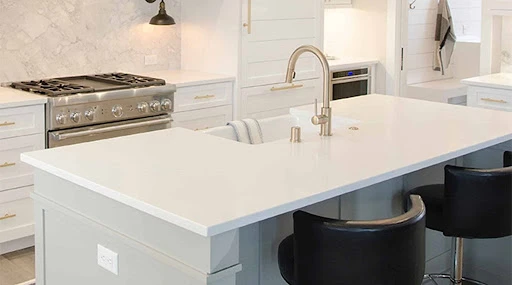
Ever walk into someone's kitchen and immediately think, "Wow, those countertops look amazing"? Chances are, you were looking at quartz. It's kind of wild how much this material has taken over in recent years. Open up any home renovation show, browse Pinterest for five minutes, or check out your neighbor's remodel—quartz is everywhere.
But here's the real question: is everyone just jumping on a bandwagon, or does quartz actually deserve all this attention?
Spoiler alert—there are legit reasons why so many people in Sterling, VA and beyond keep going with quartz. If you're even remotely thinking about redoing your kitchen, understanding what makes this stuff tick could save you from second-guessing yourself later. Let's get into it.
What Makes Quartz Countertops Special?
How Quartz Countertops Are Made
So first off, quartz countertops aren't just massive slabs of quartz yanked out of the earth. That's not how it works. They're what you'd call "engineered," which basically means people make them in factories with a specific recipe.
The mix is roughly 90-95% crushed quartz crystals—the real deal, natural stuff—combined with resins that act like super-strong glue, plus some pigments thrown in for color. Everything gets zapped with crazy heat and squeezed under intense pressure until you end up with these incredibly dense, non-porous slabs.
What makes this cool is the level of control. Natural stone like granite or marble? That's been forming underground for millions of years, totally random. You get what you get. But with quartz, manufacturers can dial in exactly what they want. More predictable, way more consistent.
Quartz vs. Other Stone Materials
Let's stack quartz up against the competition real quick. Granite's fully natural, which sounds great—and it is, if you dig the idea of every single slab being different. Sometimes that's awesome, sometimes it's frustrating when you're trying to match pieces or want a specific vibe. Oh, and granite's porous, meaning you're stuck resealing it regularly.
Marble? Don't even get me started. It's drop-dead gorgeous, no argument there. But talk about high-maintenance. Spill some wine or lemon juice, forget to wipe it up fast enough, and boom—permanent stain. Scratches show up if you look at it wrong.
Quartz splits the difference nicely. You get that stone look without the constant babysitting and worry.
They're Super Tough and Durable
Scratch and Chip Resistance
Real talk—quartz is seriously hard. Like, ridiculously hard. One of the toughest surfaces you can stick in your kitchen, hands down.
Now, could you scratch it if you really tried with something extremely sharp and went at it? Probably. But we're talking about real life here. Normal cooking stuff—sliding cutting boards back and forth, shifting pots and pans around, the usual kitchen madness—won't leave a mark.
Same goes for chips. Accidentally drop a soup can from the pantry? Bang down a heavy Dutch oven a little too enthusiastically? Your quartz surface will most likely take it in stride without showing any damage. This toughness is clutch if you've got kids treating the kitchen like their personal jungle gym.
Long-Lasting Investment
Installing quartzite countertops in Sterling means you're set for the long haul. We're talking 20-25 years minimum, often way more if you're not actively trying to destroy them.
Some manufacturers even back their products with 10-15 year warranties, which tells you how confident they are. And here's the thing—quartz doesn't really show its age the way other materials do. Colors stay crisp, the surface keeps its shine (or matte finish, depending what you picked), everything looks fresh year after year.
Easy Care and Maintenance
No Sealing Required
You know that thing with granite where you're supposed to seal it every year or two? Forget you ever heard about it. Quartz doesn't need sealing. Not when it's installed, not annually, not ever.
Why? Because it's non-porous—there aren't any tiny holes for liquids to sneak into. That whole sealing routine just doesn't apply here. One less thing on your endless home maintenance list, plus you're saving money on sealing products every year.
Simple Daily Cleaning
Keeping quartzite countertops for kitchen use clean is almost embarrassingly easy. Warm water and a squirt of regular dish soap. That's literally the whole thing. Wipe down your counters, rinse if you're feeling fancy, and you're done.
No expensive specialty cleaners sitting under your sink. No multi-step process you need to remember. Most of the time, a damp cloth handles whatever mess happened. Simple as that.
Beautiful Design Options
Tons of Colors to Choose From
This part's actually pretty fun. The color selection for quartz is bonkers. Want bright white that makes your whole kitchen feel bigger and airier? Done. Going for dramatic black to nail that modern look? Easy. Thinking maybe warm gray, creamy beige, or even something bolder? All there waiting for you.
People tend to gravitate toward whites that mimic expensive Carrara marble, or those cozy warm neutrals that make kitchens feel inviting. Cool grays are huge in contemporary spaces right now. Whatever aesthetic you're chasing, there's definitely a quartz that'll work.
Patterns and Finishes
Beyond just solid colors, you can find quartz with veining that legitimately looks like natural marble or granite. Some styles have subtle speckles distributed throughout, while others feature bold, sweeping patterns. The variety means you're not compromising—you're getting exactly what you envisioned.
Finishes matter too, by the way. Polished surfaces give you that glossy, light-reflecting elegance. Honed finishes are softer and more understated. There are even textured options that add dimension and happen to camouflage minor wear really effectively.
Super Hygienic Kitchen Surface
Non-Porous Means Cleaner
Let's talk about something people don't always consider—how genuinely clean your countertops actually are. Quartz has a non-porous surface, which in plain English means liquids can't penetrate into the material at all.
Why should you care? Because bacteria, mold, all that nasty stuff needs moisture to survive and multiply. When your countertop won't absorb anything, there's literally zero place for germs to hide out and grow.
Safe for Food Preparation
This makes quartz crazy safe for prepping food. Rolling out pizza dough, cutting up raw chicken, chopping vegetables—whatever you're cooking, you can trust that your surface is genuinely clean after wiping it down properly.
For families with small kids running around, or if you're just particular about kitchen hygiene (which, honestly, everyone should be), this kind of peace of mind matters more than you might think.
Consistent Look Throughout
No Surprises During Installation
Here's a scenario that happens with natural stone: you visit the showroom, pick a gorgeous slab, get all excited. Installation day arrives and... it looks kinda different than you remember. Lighting's different at home, the angle changed, natural variations appeared that you didn't notice before.
Quartz eliminates that whole anxiety. The sample you're looking at is what's getting installed in your kitchen. Period. If you need multiple slabs for a larger space, they'll match each other seamlessly. Zero guesswork, zero surprises, just exactly what you planned on.
Stain Resistance That Works
Handles Everyday Spills
Coffee decides to splash everywhere during your morning rush? Not a problem. Red wine gets knocked over during dinner? Clean it up whenever. Olive oil goes rogue while you're cooking? Still totally fine. The stain resistance is legit—not just something companies claim in brochures.
Obviously cleaning spills reasonably soon is good practice, but quartz won't punish you with a permanent stain if life gets busy and you don't notice something immediately. That's refreshing compared to materials that seem determined to mark every little accident.
Less Worry, More Living
What this really means in practice is actually enjoying your kitchen instead of constantly stressing. Cook elaborate meals, host friends for dinner, let your kids make their own snacks—all without hovering nervously to protect your countertops. They're designed to be used, not admired from a distance.
Good for Home Value
Increases Your Property Worth
Eventually you'll probably sell your house, right? When that time comes, an updated kitchen with quality materials becomes a major asset. Custom quartzite countertops signal to buyers that this home's been properly maintained and thoughtfully upgraded.
Any real estate agent will confirm—modern kitchens move houses faster and command better prices. Quartz countertops definitely add to that appeal in tangible ways.
Heat Resistant Properties
Can Handle Kitchen Heat
Quartz handles everyday cooking heat without any issues. Set down a warm casserole dish or your coffee pot, and you're golden. The material's heat-resistant enough for normal kitchen activities.
But—and this matters—you still want trivets or hot pads for seriously hot items. Pots straight from the burner or pans fresh from a 450-degree oven should get some protection. It's a two-second habit that keeps your countertops looking perfect for decades.
Great Return on Investment
Upfront Cost vs. Long-Term Value
Yeah, quartz costs more upfront than laminate or basic tile. Nobody's pretending it's the cheapest option out there. But step back and look at the full picture—durability, minimal maintenance, longevity—and the value proposition becomes pretty clear.
These aren't getting replaced in countertops in Sterling, VA after just five or ten years. You're not buying sealing products annually. You're not calling contractors to fix preventable damage. That initial investment keeps delivering value through sheer reliability and practically zero upkeep.
Making Your Decision
Quartz countertops pack a serious punch when it comes to benefits. Tough enough to survive daily kitchen chaos, beautiful enough to elevate your whole space, practical enough that future-you won't be annoyed with past-you's decision.
Ready to explore what's out there? Visit some local showrooms and interact with actual samples. See how different colors look under various lighting, feel the textures, pepper the staff with questions. Talk to contractors or kitchen designers who work with this stuff regularly—they've seen what holds up and what homeowners actually love years later.
Your kitchen's command central for your household. Meals happen there, homework gets tackled, real conversations unfold, life moments get celebrated. That space deserves countertops that look incredible while handling whatever you throw at them. Quartz delivers exactly that combination.
Frequently Asked Questions
Are quartz countertops better than granite countertops?
Quartz edges ahead on consistency and upkeep—zero sealing required ever, superior stain resistance, predictable appearance throughout. Granite brings that genuine natural beauty where each slab tells its own story. Your decision really hinges on whether low-maintenance reliability or authentic natural character matters more for your specific situation.
Can I cut directly on quartz countertops?
You could, but your knives will suffer way more than the countertop will. Quartz is incredibly hard, which rocks for durability but murders knife edges quickly. Always use cutting boards—protects your pricey knives and keeps your surfaces looking brand new long-term. Simple habit, big payoff.
How much do quartz countertops typically cost?
Pricing varies based on color complexity, brand reputation, pattern intricacy, edge details, and installation challenges. Generally expect mid-to-upper pricing range, comparable to quality granite. The genuine value emerges over time—25-plus years of reliable use with virtually zero maintenance makes them financially smart overall.