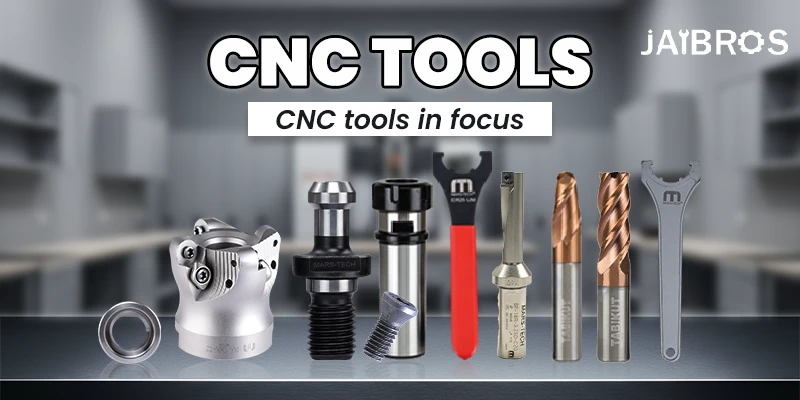
Discover the major differences between CNC tool systems and traditional cutting tools, including precision, automation, cost, and productivity benefits.
CNC Tool vs Traditional Cutting Tools: Understanding the Key Differences
Manufacturing has evolved significantly over the past few decades. From manual machining processes to highly automated production lines, technology has transformed how industries shape and cut materials. One of the biggest shifts has been the move from traditional cutting tools to advanced CNC-based systems. Understanding the difference between a cnc tool and conventional cutting tools helps manufacturers choose the right solution for precision, productivity, and long-term efficiency.
What Are Traditional Cutting Tools?
Traditional cutting tools are manually operated or semi-automated tools used in lathes, milling machines, drilling machines, and shaping equipment. These tools rely heavily on operator skill for positioning, speed control, and feed adjustments.
Common examples include:
-
Hand-operated lathe tools
-
Manual drill bits
-
Milling cutters for conventional mills
-
Hacksaws and shaping tools
In traditional machining, accuracy depends largely on the machinist’s expertise. While these tools remain effective for small workshops and repair work, they may lack the precision and repeatability required in high-volume production.
What Is a CNC-Based Tooling System?
A cnc tool is designed to operate within Computer Numerical Control (CNC) machines. These tools are controlled by programmed instructions, ensuring automated and highly accurate cutting operations. Unlike manual systems, CNC setups follow pre-defined toolpaths created through CAD/CAM software.
Modern manufacturing relies on various types of CNC tools, including:
-
End mills
-
Ball nose cutters
-
Thread mills
-
Carbide inserts
-
Reamers and boring tools
Each tool is engineered to handle specific machining tasks with consistent precision. Automation ensures repeatability, reduced human error, and faster production cycles.
Key Differences Between CNC and Traditional Cutting Tools
1. Precision and Accuracy
One of the most significant differences lies in precision. Traditional cutting tools depend on manual adjustments, which may lead to slight inconsistencies between parts. Even skilled machinists can face limitations when producing complex geometries repeatedly.
In contrast, a cnc tool operates based on digital programming. Once the design is set, the machine replicates it with minimal variation. This level of precision is crucial in industries such as aerospace, automotive, and medical manufacturing.
2. Automation and Efficiency
Traditional tools require constant supervision and manual control. Adjustments in feed rate, cutting speed, and depth must be handled by the operator during machining.
A cnc tool functions within an automated environment. After programming, the machine performs operations with minimal intervention. This improves:
-
Production speed
-
Consistency
-
Labor efficiency
-
Reduced downtime
Automation makes CNC systems ideal for mass production and intricate designs.
3. Complexity of Design
Traditional machining works well for simple shapes and straightforward operations. However, when dealing with complex 3D contours or multi-axis operations, manual systems become time-consuming and less accurate.
CNC systems, on the other hand, can execute complex toolpaths effortlessly. Advanced software allows simulation before actual machining, ensuring optimized performance. This capability makes the cnc highly suitable for modern design requirements.
4. Tool Life and Durability
Tool material and coating technology have improved significantly in CNC tooling. Many manufacturers invest in the best tools that feature advanced coatings like TiAlN or diamond-like carbon for improved wear resistance.
Traditional tools may not always use such advanced materials. As a result, they can wear out faster under heavy production loads. Additionally, CNC systems often include monitoring features that track wear patterns and optimize replacement timing.
Working with a trusted CNC manufacturer ensures access to high-quality tooling designed for durability and consistent performance.
5. Productivity and Output
Manual machining can be slower due to setup time, operator dependency, and adjustment requirements. While it may be cost-effective for small jobs, scaling production can be challenging.
A cnc tool setup dramatically increases productivity by reducing cycle time and maintaining uniform quality across batches. Manufacturers looking to meet tight deadlines and large order volumes often prefer CNC-based solutions.
6. Cost Considerations
Initial investment in CNC machines and tooling systems is generally higher than traditional equipment. However, long-term benefits often justify the cost.
Advantages include:
-
Lower labour expenses
-
Reduced material waste
-
Higher repeatability
-
Faster turnaround times
Businesses frequently search for CNC tools near me to find local suppliers offering competitive pricing and faster support. At the same time, many buyers compare options through CNC tools online platforms to explore wider selections and cost advantages.
Traditional tools may appear cheaper upfront, but increased labor costs and slower production can reduce profitability over time.
7. Skill Requirements
Traditional machining demands high levels of hands-on skill and experience. Machinists must manually control operations and ensure measurements are accurate.
CNC systems require programming knowledge but less manual control during operation. Once trained, operators can manage multiple machines simultaneously, increasing overall efficiency.
That said, understanding the types of CNC tools and their applications remains essential for achieving optimal results in automated environments.
8. Maintenance and Monitoring
Traditional machines rely on periodic manual inspection for wear and tear. Issues may only be detected after visible defects appear.
CNC systems often include advanced monitoring features that track tool performance and machine conditions. This proactive approach reduces unexpected breakdowns and ensures smooth operations. When using a CNC tool, predictive maintenance plays a key role in maximizing lifespan and minimizing downtime.
Which One Should You Choose?
The choice between CNC and traditional cutting tools depends on your operational needs.
Choose traditional cutting tools if:
-
You handle small repair jobs
-
Production volume is low
-
Budget constraints are significant
-
Simple components are required
Choose CNC systems if:
-
High precision is essential
-
Production volume is large
-
Complex geometries are involved
-
Long-term efficiency matters
Modern industries increasingly rely on automation to stay competitive. While traditional machining still has its place, CNC technology provides scalability and consistency that manual systems struggle to match.
The Future of Cutting Tools
The manufacturing industry continues to innovate with smarter tooling solutions. Advanced coatings, improved carbide grades, and AI-based monitoring systems are shaping the next generation of machining.
Leading suppliers and every major CNC tools manufacturer are investing in research and development to produce tools that offer higher speeds, better finishes, and longer life cycles.
As digital manufacturing expands, reliance on advanced cnc tool systems will continue to grow, bridging the gap between precision engineering and high-output production.
Conclusion
Both CNC and traditional cutting tools play important roles in manufacturing. Traditional tools offer affordability and simplicity for small-scale operations, while CNC systems provide unmatched precision, automation, and efficiency for modern industries.
Understanding the operational differences helps manufacturers make informed decisions based on budget, complexity, and production goals. As technology advances, CNC-based machining continues to lead the way in delivering consistent quality and higher productivity, making it the preferred choice for forward-thinking businesses.
FAQs
1. What is the main difference between CNC and traditional cutting tools?
The main difference lies in automation. CNC tools operate through programmed instructions, ensuring precision and repeatability, while traditional tools rely on manual operation.
2. Are CNC tools more expensive than traditional tools?
Yes, the initial investment is higher. However, CNC systems often provide better long-term returns due to improved productivity and reduced labor costs.
3. Can small workshops benefit from CNC tools?
Yes. Even small workshops can improve accuracy and efficiency by adopting CNC systems, especially for repetitive or complex tasks.
4. How do I find reliable CNC tool suppliers?
You can search locally for CNC tools near me or explore CNC tools online platforms. Choosing a reputable CNC tools manufacturer ensures quality and technical support.
5. Do CNC tools require special training?
Yes. Operators need training in programming and machine operation, but once trained, they can manage production more efficiently than manual machining systems.