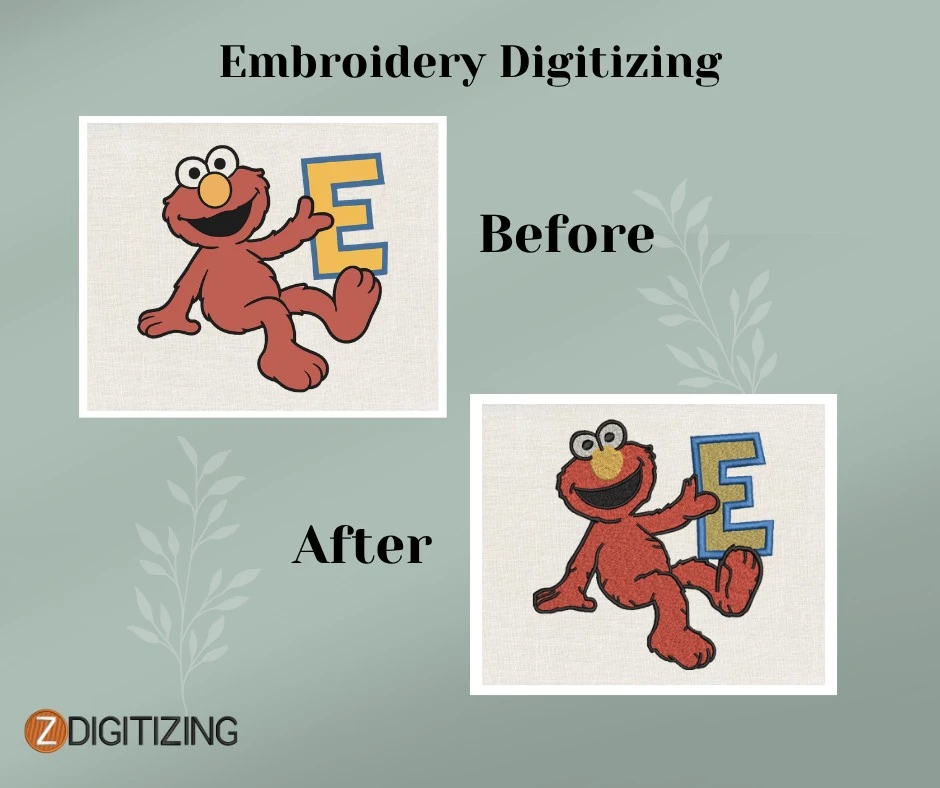
In the custom apparel and promotional products industry, embroidery remains one of the most durable and professional decoration methods available. From corporate logos and uniforms to branded merchandise and personalized gifts, embroidery delivers long-lasting results. However, the quality of the finished product depends heavily on one critical process: embroidery digitizing.
Choosing the best embroidery digitizing online service directly impacts stitch quality, production efficiency, and customer satisfaction. Whether you operate a commercial embroidery shop or need a single logo converted into a machine file, selecting a reliable digitizing partner ensures consistent, production-ready results.
What Is Embroidery Digitizing?
Embroidery digitizing is the technical process of converting artwork into a machine-readable stitch file. It is not simply changing an image format. Professional digitizing requires manual programming of stitch types, density, direction, underlay, pull compensation, and sequencing.
An experienced digitizer understands how thread interacts with fabric. Different materials such as cotton, polyester, fleece, caps, or performance wear require different stitch settings to prevent puckering, distortion, and thread breaks.
A properly digitized file ensures:
- Clean edges and sharp lettering
- Balanced stitch density
- Smooth machine operation
- Reduced thread breaks
- Accurate logo representation
The final embroidery outcome depends more on digitizing quality than on the machine itself.
Why Choosing the Best Embroidery Digitizing Online Matters
Online digitizing services vary widely in skill level and reliability. Low-cost auto-digitizing software may appear convenient, but automated results often lack proper stitch planning and fabric compensation.
Professional embroidery businesses prioritize quality digitizing because poor files lead to:
- Wasted thread and materials
- Production delays
- Damaged garments
- Increased labor time
- Customer dissatisfaction
An experienced digitizing service prevents these issues by delivering production-tested stitch files optimized for specific fabrics and applications.
Key Qualities of a Reliable Online Digitizing Service
1. Manual Digitizing by Skilled Professionals
The best embroidery digitizing online services rely on trained digitizers not automated software. Manual digitizing ensures accurate stitch flow, appropriate underlay, and correct density settings tailored to each design.
Skilled digitizers understand:
- Push and pull compensation
- Stitch angle adjustments
- Proper sequencing for minimal trims
- Small text handling
- Cap and 3D puff digitizing techniques
This expertise comes from hands-on industry experience, not automated processes.
2. Fast and Consistent Turnaround
Production schedules in embroidery are often tight. A dependable service offers consistent turnaround times, typically within 24 hours, along with rush options when necessary.
Reliability builds trust. Consistent delivery allows embroidery businesses to maintain workflow without unexpected delays.
3. Machine-Compatible File Formats
Embroidery machines operate on specific file formats. A professional service provides multiple format options such as DST, PES, EXP, JEF, VP3, and HUS to ensure compatibility.
Providing the correct format eliminates conversion issues and reduces setup errors during production.
4. Quality Control and Revisions
Reputable digitizing providers offer revision policies and minor edits when adjustments are needed. Quality control measures, including stitch simulation previews or test sew-outs, reflect professionalism and accountability.
Clear communication and responsiveness are also indicators of a trustworthy provider.
Benefits of Outsourcing Embroidery Digitizing Online
Outsourcing digitizing is often more efficient than handling it in-house, particularly for small to mid-sized embroidery businesses.
First, it reduces operational costs. Professional digitizing software can be expensive and requires training. Outsourcing allows businesses to focus on production and customer service rather than technical file preparation.
Second, it improves consistency. Experienced digitizers work with a wide range of fabrics and design types daily, resulting in more predictable stitch outcomes.
Third, it supports scalability. As order volume increases, a dependable online digitizing partner can handle multiple files without slowing production.
Common Mistakes to Avoid When Choosing a Digitizing Service
Selecting a digitizing provider based solely on low pricing can create long-term problems. Cheap digitizing often results in excessive stitch counts, poor sequencing, and unstable designs.
Other common mistakes include:
- Skipping a test sew-out
- Ignoring revision policies
- Not verifying file compatibility
- Using auto-digitizing for complex logos
Embroidery quality begins with digitizing precision. Testing a small order before committing to large projects is always advisable.
How Professional Digitizing Strengthens Your Brand
Embroidery is frequently used for branding. Clean, precise stitching reflects professionalism and attention to detail. Poor embroidery, on the other hand, can negatively affect brand perception.
High-quality digitizing contributes to:
- Sharper logo appearance
- Improved garment durability
- Fewer production errors
- Greater customer satisfaction
- Stronger repeat business
Consistent embroidery results build long-term credibility in a competitive market.
Final Thoughts
Finding the best embroidery digitizing online requires careful evaluation of experience, technical knowledge, turnaround reliability, and customer support. A skilled digitizing partner transforms artwork into optimized stitch files that perform efficiently on embroidery machines and deliver clean, professional results on fabric.
Investing in professional digitizing reduces production issues, protects garment quality, and supports business growth. In embroidery, precision at the digitizing stage determines the success of every finished piece.
Frequently Asked Questions (FAQs)
1. What file format is best for embroidery machines?
The best format depends on your machine brand. DST is widely compatible, while PES, JEF, VP3, EXP, and HUS are used for specific machine types. Always confirm your machine requirements before ordering digitizing.
2. How long does professional embroidery digitizing take?
Most professional online services deliver files within 12 to 24 hours. Complex designs or 3D puff digitizing may require additional time.
3. Why is manual digitizing better than auto-digitizing?
Manual digitizing allows a professional to control stitch direction, density, underlay, and compensation based on fabric type. Auto-digitizing software often produces generic results that may cause thread breaks or distortion.
4. How much does embroidery digitizing typically cost?
Pricing varies depending on design size, complexity, and stitch count. Simple logos are generally more affordable, while detailed or large designs cost more due to the additional digitizing time required.