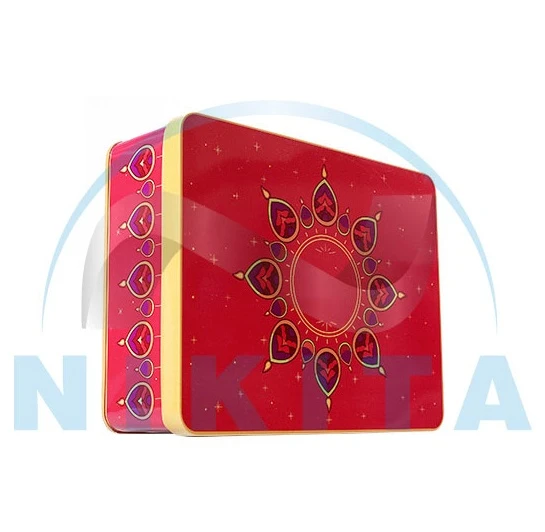
Tin Plate Packaging plays a critical role in modern food safety, shelf stability, and sustainable supply chains. For food manufacturers handling acidic products like tomatoes and citrus, or oil-based foods such as edible oils and seafood, packaging choice is not just a technical decision. It directly impacts product integrity, brand reputation, and regulatory compliance.
A common concern within procurement and quality teams is whether metal packaging reacts with certain food types. This guide explores how tin plate performs with acidic and oil-based foods, what safeguards are in place, and how manufacturers can make informed decisions with confidence.
Understanding Tin Plate Packaging
Tin plate is a thin sheet of steel coated with a protective layer of tin. This coating creates a barrier that resists corrosion and prevents direct contact between the steel base and food contents.
The result is a packaging format that is strong, hygienic, and highly adaptable. It is widely used for canned vegetables, fruit products, edible oils, fish, confectionery items, and ready meals across global markets.
Modern tin plate packaging is engineered with food safety at its core. It complies with international food contact standards in the United States, Europe, and Asia, making it a trusted choice for large scale manufacturers.
Why Acidic Foods Raise Concerns
Acidic foods such as tomatoes, citrus fruits, pickles, and certain sauces contain natural acids that can react with untreated metal surfaces. If packaging is poorly designed or lacks protective coatings, corrosion and flavour alteration may occur.
However, today’s tin plate packaging systems are not raw metal containers. They are manufactured with internal protective lacquers and coatings specifically developed to handle varying pH levels.
These coatings act as a barrier between the food and the metal surface, preventing interaction while preserving taste, colour, and nutritional quality.
Is Tin Plate Packaging Safe for Acidic Foods?
Yes, when properly coated and manufactured to recognised food safety standards.
Food manufacturers typically choose from a range of internal lacquer systems depending on the acidity level of the product. These coatings are tested for migration limits, chemical resistance, and long term storage performance.
For high acid foods, epoxy phenolic or specialised BPA non-intent coatings are commonly used. These create an inert lining that prevents metal ion transfer and maintains product stability throughout its shelf life.
When paired with correct processing methods such as thermal sterilisation, tin plate packaging offers excellent protection and extended shelf life without compromising safety.
What About Oil-Based Foods?
Oil-based products bring a different set of challenges. Oils can dissolve certain substances and may accelerate material degradation if packaging is unsuitable.
Tin plate performs exceptionally well in this category due to its non-porous structure and strong barrier properties. Unlike flexible packaging, it prevents oxygen ingress and light exposure, both of which contribute to rancidity.
For edible oils, ghee, seafood in oil, and flavoured pastes, manufacturers rely on tin plate packaging because it:
-
Blocks light exposure
UV protection helps prevent oxidation and nutrient loss -
Minimises oxygen penetration
Airtight seams reduce spoilage and extend freshness -
Retains aroma and flavour
Metal packaging protects volatile compounds that define taste -
Maintains structural strength
Rigid walls prevent leakage and deformation during transport
These characteristics make it a dependable option for oil-rich formulations.
Shelf Life and Product Stability
One of the strongest advantages of tin plate packaging is its ability to extend shelf life naturally.
The hermetic seal achieved during canning creates an environment free from oxygen and external contaminants. Combined with protective coatings, this ensures product stability for months or even years, depending on the food category.
For enterprise buyers in the United States and global markets, this translates to reduced waste, fewer returns, and improved supply chain reliability.
Regulatory Compliance and Safety Standards
Food safety regulations require packaging materials to meet strict migration and toxicity standards. Tin plate packaging is subject to rigorous testing before it reaches the food production line.
Manufacturers typically adhere to:
-
FDA food contact material regulations in the United States
-
European food safety directives
-
Good Manufacturing Practice standards
-
Migration testing and coating validation protocols
These frameworks ensure that properly manufactured tin plate containers remain non toxic and suitable for direct food contact.
Sustainability Considerations
Safety is not the only factor influencing packaging decisions in 2026. Sustainability has become equally important for food manufacturers and brand owners.
Tin plate packaging is widely recognised as one of the most recyclable packaging materials available. It can be recycled multiple times without losing strength or performance properties.
Unlike many composite materials, metal containers are easily separated in recycling streams using magnetic systems. This high recovery rate supports circular economy models and reduces landfill waste.
For brands aiming to meet ESG targets and reduce environmental impact, tin plate offers both functional and ecological advantages.
Common Questions from Food Manufacturers
Many technical teams ask similar questions before selecting metal packaging. These include:
-
Will acidic foods cause internal corrosion?
Not when appropriate lacquer systems are used. -
Can oil based foods alter the coating?
Coatings are formulated to resist oil interaction and maintain integrity. -
Does tin plate affect flavour?
Properly lined containers preserve aroma and taste without transfer. -
Is it safe for long term storage?
Yes, when processed and sealed according to industry standards.
By understanding coating compatibility and processing requirements, manufacturers can confidently use tin plate packaging across a wide range of food categories.
Choosing the Right Specification
Not all tin plate packaging is identical. The safety and performance of the container depend on factors such as:
-
Tin coating thickness
-
Type of internal lacquer
-
Product pH level
-
Filling temperature and sterilisation process
-
Storage conditions
Collaboration between packaging suppliers and food technologists is essential. Early testing and compatibility trials help prevent issues and optimise shelf life.
Conclusion
Tin plate packaging remains a safe, reliable, and sustainable choice for both acidic and oil-based foods when designed and manufactured correctly. With protective internal coatings, robust sealing technology, and strict regulatory compliance, it offers exceptional product protection while supporting environmental responsibility.
For food manufacturers, the key lies in selecting the correct specifications and partnering with experienced producers who understand both material science and food safety.
Established companies such as Nikita Containers, founded in 1993 in Umbergaon, Gujarat, reflect how the industry has evolved. From its beginnings as a small aluminium tube manufacturer to becoming a global supplier of high quality metal containers for food, confectionery, cosmetics, and custom packaging, the company demonstrates the value of durable, recyclable tin plate solutions. By focusing on safety, innovation, and sustainable practices, such manufacturers continue to support brands seeking dependable and future ready packaging.
When thoughtfully specified, tin plate packaging is not only safe for challenging food types but also an investment in quality, shelf stability, and environmental stewardship.
Frequently Asked Questions(FAQs):
Is tin plate packaging suitable for high acid foods like tomatoes?
Yes. With appropriate internal lacquer coatings, tin plate packaging safely handles high acid foods and prevents metal interaction.
Can tin plate packaging be used for edible oils?
Absolutely. Its strong barrier properties protect against oxygen and light exposure, helping maintain freshness and flavour.
Does tin plate packaging contain harmful chemicals?
Food grade tin plate containers comply with strict migration and safety standards set by regulatory authorities.
How recyclable is tin plate packaging?
It is fully recyclable and can be reprocessed multiple times without losing quality or strength.
How do manufacturers choose the right coating?
Selection depends on product pH, oil content, processing temperature, and storage conditions. Technical consultation and compatibility testing are recommended.