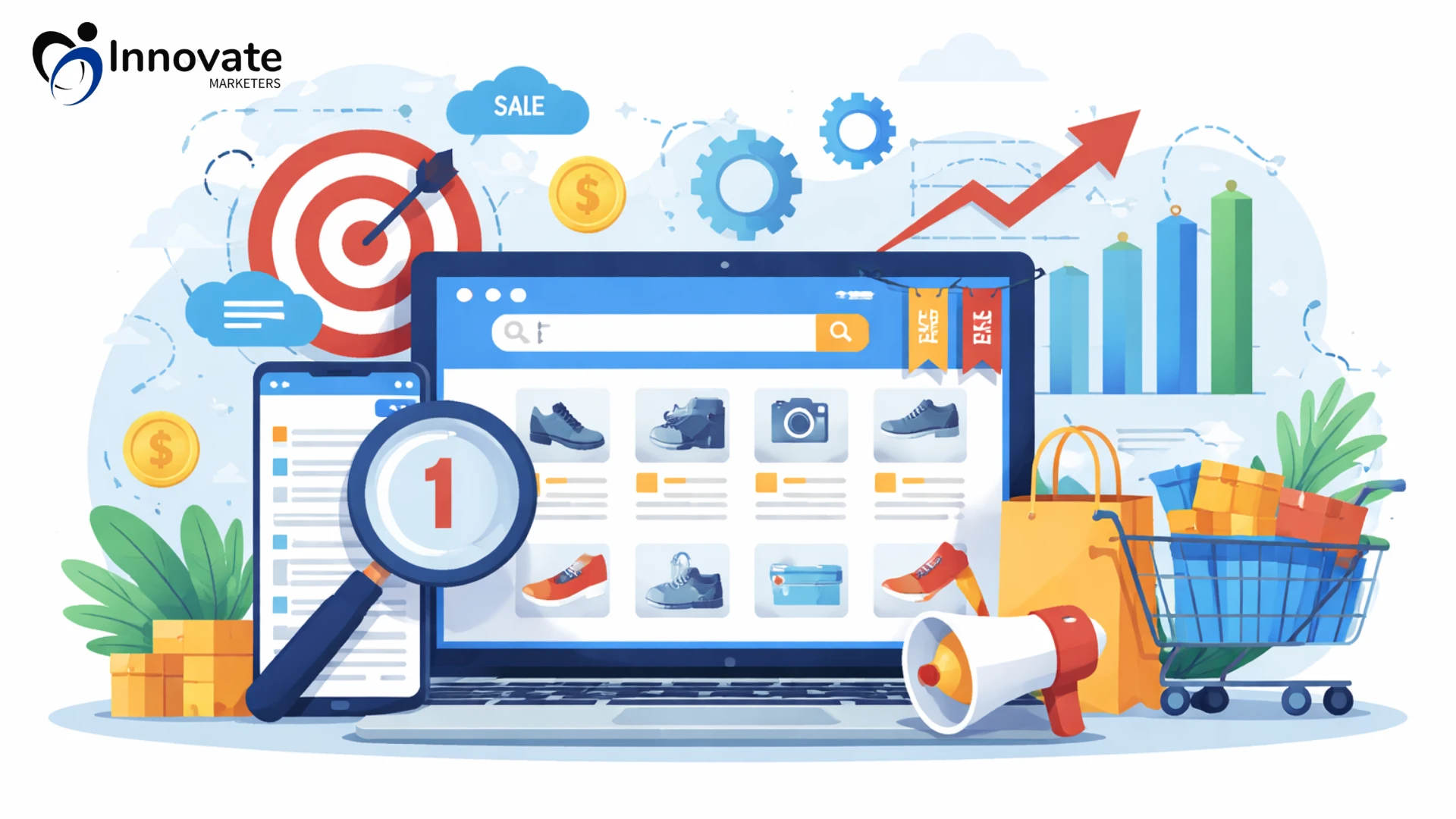
The online retail space is more competitive than ever. With thousands of stores targeting the same customers, ranking on the first page of Google is no longer optional — it’s essential. Businesses that invest in advanced ecommerce SEO services gain a strategic advantage by increasing visibility, driving qualified traffic, and converting visitors into loyal buyers.
If you want to outperform competitors and dominate your niche, you need more than basic keyword optimization. You need advanced, data-driven tactics designed specifically for eCommerce websites.
Why Advanced SEO Matters for eCommerce
Unlike traditional websites, eCommerce platforms have:
-
Hundreds or thousands of product pages
-
Complex category structures
-
Dynamic filters and sorting options
-
Frequent inventory updates
Without a structured SEO strategy, these elements can cause duplicate content issues, crawl inefficiencies, and ranking drops. Advanced SEO focuses on technical precision, content depth, and conversion optimization — all aligned with search engine algorithms.
1. Strategic Keyword Mapping for Scalable Growth
Most online stores make the mistake of targeting broad keywords across multiple pages. Advanced SEO requires keyword mapping — assigning unique primary and secondary keywords to specific URLs.
How to Execute:
-
Target commercial intent keywords for product pages
-
Use long-tail keywords for blog and informational content
-
Optimize category pages for high-volume transactional terms
-
Incorporate semantic keywords and related phrases
This structured approach prevents keyword cannibalization and ensures each page serves a clear ranking purpose.
2. Advanced Technical SEO Optimization
Technical SEO is the backbone of successful eCommerce websites. Without it, even the best content won’t rank.
Key Technical Tactics:
-
Optimize Crawl Budget: Large eCommerce sites must guide search engines efficiently. Use robots.txt, XML sitemaps, and canonical tags to prevent indexing of duplicate or filter-generated pages.
-
Improve Site Speed: Fast-loading pages increase rankings and conversions. Compress images, enable lazy loading, use CDN services, and minimize JavaScript.
-
Implement Structured Data: Schema markup for products, reviews, pricing, availability, and FAQs enhances search appearance and increases click-through rates.
-
Mobile-First Optimization: With mobile commerce dominating, ensure responsive design, fast mobile load speeds, and easy navigation.
3. Category Page Optimization for Higher Rankings
Category pages are often the highest revenue-driving pages on an eCommerce site. Yet many businesses leave them under-optimized.
Advanced Tactics:
-
Add 300–500 words of optimized content above or below product listings
-
Include internal links to subcategories and best-selling products
-
Optimize meta titles and descriptions for CTR
-
Use breadcrumb navigation for better UX and indexing
Well-optimized category pages capture high-intent search traffic and distribute link authority effectively.
4. Conversion-Focused Product Page SEO
Ranking is important — but converting traffic is what drives revenue.
Best Practices:
-
Unique product descriptions (avoid manufacturer duplicates)
-
Benefit-focused copy with targeted keywords
-
High-quality optimized images
-
FAQ sections to target voice search queries
-
User-generated reviews for trust and fresh content
Advanced ecommerce SEO services combine SEO with CRO (Conversion Rate Optimization) to maximize revenue per visitor.
5. Content Marketing for Authority and Trust
Google rewards websites that demonstrate expertise, authority, and trustworthiness (E-E-A-T). Content marketing plays a vital role in this.
Content Strategies:
-
Buying guides
-
Product comparison articles
-
How-to tutorials
-
Industry trend blogs
-
Seasonal shopping guides
These content pieces target informational keywords and funnel users toward transactional pages through strategic internal linking.
6. Internal Linking Architecture for SEO Power
Internal linking is often overlooked but is critical for distributing authority across large eCommerce websites.
Smart Linking Strategy:
-
Link blogs to relevant categories and products
-
Feature related products on product pages
-
Use descriptive anchor text
-
Create hub-and-spoke content models
This improves crawlability, increases time on site, and boosts rankings for priority pages.
7. Advanced Link Building Strategies
Backlinks remain a major ranking factor. However, generic directory submissions are no longer effective.
High-Impact Tactics:
-
Digital PR campaigns
-
Influencer collaborations
-
Guest posting on niche blogs
-
Product reviews from industry publications
-
Data-driven content outreach
Quality over quantity is the rule. Authoritative links build domain strength and competitive advantage.
8. Optimizing for Voice and AI Search
Voice search and AI-driven results are transforming how customers search.
Optimization Tips:
-
Use conversational long-tail keywords
-
Add FAQ schema
-
Create concise, direct answers
-
Focus on featured snippet optimization
This future-proofs your store against evolving search behaviors.
9. Leveraging Analytics and Data Insights
Advanced SEO is data-driven. Tracking performance helps refine strategies and maximize ROI.
Key Metrics to Monitor:
-
Organic traffic growth
-
Keyword rankings
-
Conversion rate from organic visitors
-
Bounce rate
-
Revenue per landing page
Use Google Analytics, Search Console, and SEO tools to identify gaps and opportunities.
10. Competitor Gap Analysis
To outrank competitors, you must understand their strengths and weaknesses.
Conduct:
-
Backlink comparison
-
Keyword gap analysis
-
Content depth evaluation
-
Technical audit comparison
Then build a strategy that outperforms them in content quality, user experience, and authority signals.
11. Local and International SEO for Expansion
If your eCommerce store serves multiple regions, optimize accordingly.
-
Implement hreflang tags
-
Optimize for local keywords
-
Create region-specific landing pages
-
Optimize Google Merchant Center feeds
Expanding geographically increases brand visibility and diversifies traffic sources.
Why Professional SEO Makes the Difference
While DIY SEO can bring limited results, professional strategies deliver measurable growth. Experienced teams understand algorithm updates, technical structures, and evolving ranking signals.
Partnering with expert ecommerce SEO services ensures your online store is optimized holistically — from technical foundations to content authority and conversion optimization.
With the right strategy in place, your eCommerce brand can:
-
Outrank competitors
-
Increase organic traffic
-
Improve conversion rates
-
Strengthen brand credibility
-
Drive long-term sustainable revenue
Final Thoughts
Outranking competitors in today’s digital marketplace requires more than basic optimization. It demands advanced tactics, technical precision, content authority, and continuous refinement.
By implementing these advanced strategies — from keyword mapping and structured data to internal linking and authority building — your eCommerce business can dominate search results and capture high-intent buyers.
If your goal is sustainable growth and higher revenue, investing in strategic ecommerce SEO services is not just an option — it’s a competitive necessity.