High-quality artwork is essential for professional printing, embroidery, engraving, and digital branding. However, many businesses still rely on low-resolution raster images that lose clarity when resized. Choosing the best vector art conversion service ensures your artwork remains sharp, scalable, and production-ready across all formats.
Vector conversion is not simply a file transformation, it is a technical design process that requires skill, accuracy, and an understanding of print requirements. When handled by experienced professionals, vector artwork becomes a long-term brand asset that can be reused across marketing campaigns, merchandise, and promotional materials.
What Is Vector Art Conversion?
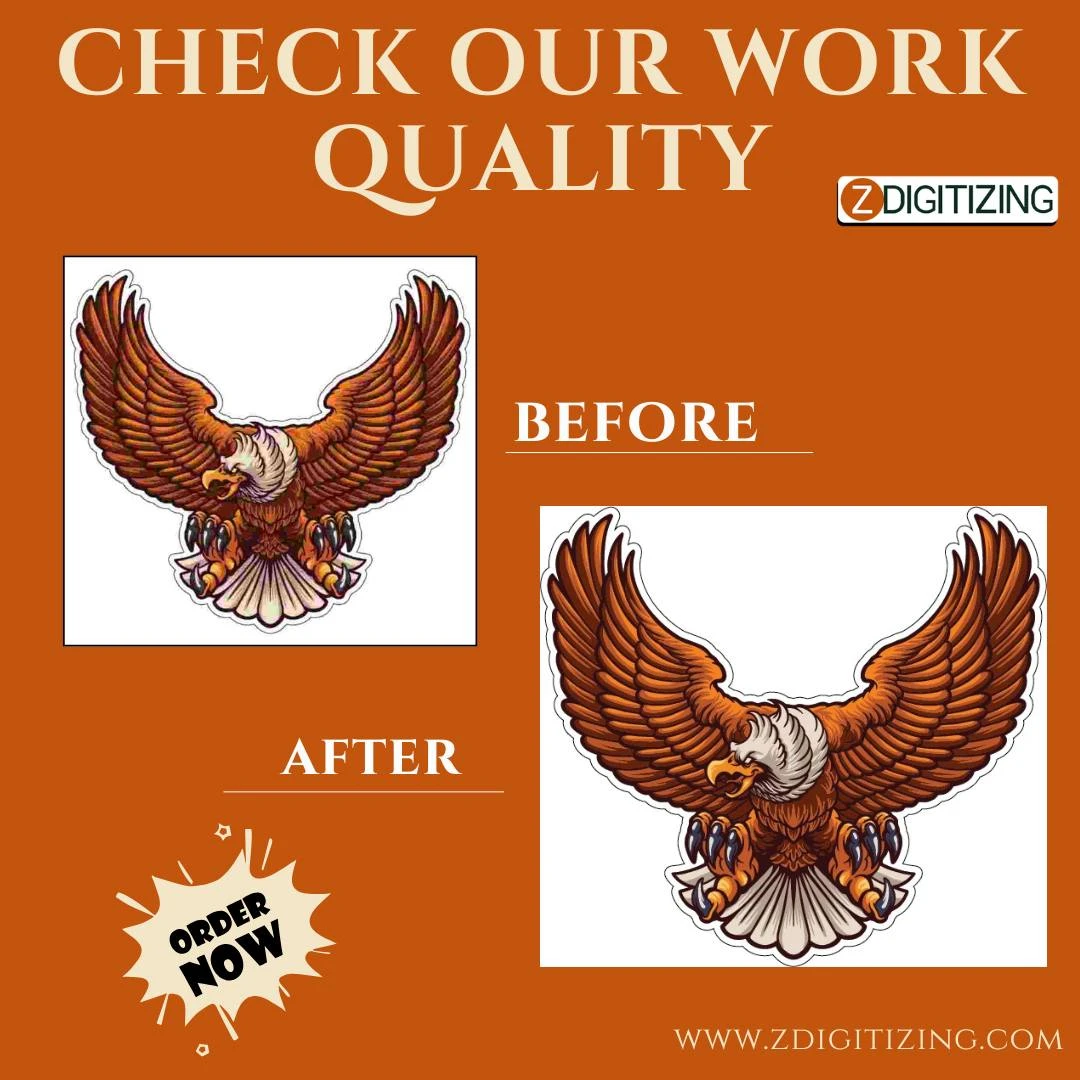
Vector art conversion is the process of recreating a raster image (JPG, PNG, BMP, or GIF) into a vector format such as AI, EPS, SVG, or PDF. Unlike pixel-based images, vector graphics are built using mathematical paths, allowing them to scale infinitely without losing resolution.
This process is widely used for:
- Logo redraws
- Screen printing artwork
- Embroidery digitizing preparation
- Signage and large-format printing
- Laser engraving and CNC cutting
- Promotional product branding
Professional vector artists manually trace and rebuild artwork to ensure clean curves, accurate colors, and proper layering. This manual approach produces significantly better results than automated tracing software.
Why Experience Matters in Vector Art Conversion
Not all vector files are created equal. Poorly converted artwork can cause production delays, printing defects, and additional revision costs. An experienced vector art conversion service understands:
- Color separation requirements for screen printing
- Thread path limitations for embroidery
- Minimum line thickness for engraving
- File compatibility for commercial printers
- Brand consistency standards
When selecting a provider, look for a team with proven design experience and a portfolio demonstrating precision in typography, gradients, and detailed graphics.
Manual Conversion vs. Auto-Tracing Software
Many online tools promise instant conversion. While these tools may work for very simple graphics, they often generate messy anchor points, distorted lettering, and inaccurate shapes.
Auto-tracing tools typically result in:
- Rough or uneven edges
- Excess anchor points
- Incorrect color mapping
- Low-quality print output
Manual vector conversion provides:
- Clean, optimized paths
- Accurate font recreation
- Balanced color separation
- Production-ready artwork
For professional applications such as apparel printing or branded merchandise, manual redrawing remains the most reliable solution.
The Professional Vector Conversion Process
A structured workflow ensures consistency and reliability. Most reputable services follow these steps:
- Review the submitted raster artwork
- Assess complexity, colors, and detailing
- Manually recreate paths using professional design software
- Match brand colors accurately
- Conduct quality checks for print compatibility
- Deliver finalized files in requested formats
This systematic approach reduces errors and ensures files meet production standards.
Business Benefits of High-Quality Vector Artwork
Investing in professional vector conversion provides long-term advantages:
- Scalable graphics without distortion
- Consistent branding across print and digital platforms
- Easier future design edits
- Reduced rework costs
- Improved print accuracy
Whether used for promotional apparel, packaging, signage, or engraving, vector files support consistent brand representation.
Why Quality Directly Impacts Production Costs
Low-quality vector files may appear acceptable on screen but create serious problems during manufacturing. Common issues include:
- Misaligned color separations
- Blurry or uneven printed edges
- Embroidery thread breaks
- Incorrect cutting paths
Correcting these mistakes often costs more than hiring a professional conversion service from the beginning. Investing in accuracy protects your production timeline and brand credibility.
Final Thoughts
Choosing the best vector art conversion service requires more than comparing prices. Focus on experience, manual craftsmanship, communication, and quality assurance. A reliable provider delivers clean, production-ready files that support your branding goals across all applications.
Vector conversion is not just a technical task; it is a foundational step in maintaining professional visual standards. When handled by experienced designers, your artwork remains adaptable, precise, and ready for any medium.
Frequently Asked Questions (FAQs)
1. What file formats will I receive after vector conversion?
Most professional services provide AI, EPS, SVG, and PDF formats. You can request specific formats based on your printing or production needs.
2. How long does vector art conversion take?
Turnaround time depends on artwork complexity. Simple logos may take a few hours, while detailed designs may require 24–48 hours.
3. Is manual vector conversion better than automatic tracing?
Yes. Manual conversion produces cleaner paths, accurate color matching, and print-ready files, making it more suitable for professional use.
4. Can low-resolution images be converted into high-quality vectors?
Yes, but results depend on image clarity. Experienced designers can recreate and refine low-resolution artwork to achieve sharp, scalable vector files.