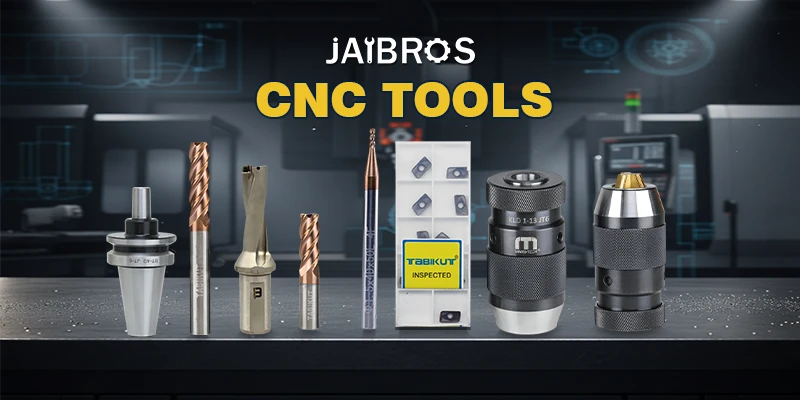
Explore the latest CNC tool trends transforming modern machining, including automation, smart manufacturing, advanced materials, and digital sourcing solutions.
Emerging Innovations Driving the Next Era of CNC Machining
The manufacturing industry is entering a new era driven by smart technology, automation, and precision engineering. As industries demand higher productivity, tighter tolerances, and faster turnaround times, tooling technology continues to evolve. Every CNC tool used today is more advanced, durable, and efficient than ever before.
Modern machining is no longer just about cutting metal. It is about intelligent systems, connected machines, and data-driven decisions. These changes are shaping how manufacturers select tools, optimize performance, and manage production.
1. Smart and Connected Tooling Systems
One of the biggest trends shaping the industry is smart tooling. Advanced sensors and monitoring systems are now integrated into machining environments. These systems collect real-time data on temperature, vibration, tool wear, and cutting pressure.
With this information, manufacturers can analyze tool performance instantly and make necessary adjustments. This reduces downtime, prevents tool breakage, and improves surface finish quality.
Connected machines also allow centralized monitoring, where managers can track production across multiple units. This level of visibility helps in improving efficiency and maintaining consistent output.
2. Rise of Automation and Robotics
Automation has become essential in modern manufacturing. Robotic arms and automatic tool changers are increasing productivity while reducing manual intervention.
When combined with intelligent software, automation optimizes CNC usage by adjusting speeds and feeds according to material properties. This enhances accuracy and extends tool life.
Factories are increasingly adopting automation to operate 24/7 with minimal downtime. This trend is especially beneficial for high-volume production industries such as automotive and aerospace manufacturing.
3. Advanced Tool Materials and Coatings
Another major trend is the development of advanced materials. Traditional high-speed steel is now being replaced by carbide, ceramic, and coated tools designed for high-performance machining.
Modern CNC tool designs include multi-layer coatings that improve heat resistance and reduce friction. These improvements allow machining at higher speeds without compromising durability.
Tool manufacturers are constantly innovating to deliver the best CNC tools capable of handling complex geometries and hard materials. This focus on material science is pushing machining capabilities to new levels.
4. Growth of Digital Procurement
Digital transformation has also changed how manufacturers purchase tooling solutions. Instead of relying only on local suppliers, buyers now explore CNC tools on online platforms to compare products, pricing, and specifications.
Online sourcing allows businesses to evaluate multiple options before investing in tooling. Whether searching for tools near me or reviewing international suppliers, digital platforms provide greater transparency and accessibility.
This trend ensures that manufacturers can make informed decisions and select high-quality tools suited to their specific machining needs.
5. Customization and Application-Specific Tools
Modern industries require specialized components with complex shapes and tight tolerances. As a result, there is growing demand for customized tooling solutions.
Leading CNC tools manufacturer companies are offering application-specific designs tailored to particular industries such as medical, defense, and aerospace.
Custom tooling improves efficiency by reducing cycle times and ensuring optimal cutting performance. Manufacturers are increasingly choosing specialized solutions over generic options to achieve competitive advantages.
6. Sustainability in Machining
Sustainability is becoming a core focus in industrial production. Energy-efficient machines, optimized cutting strategies, and longer-lasting tools contribute to eco-friendly manufacturing.
A high-performance CNC tool reduces waste by maintaining consistent cutting quality. Longer tool life also decreases the frequency of replacements, minimizing material consumption.
Manufacturers are adopting environmentally responsible practices while maintaining productivity standards. Sustainable machining is no longer optional; it is becoming a business necessity.
7. AI and Data-Driven Optimization
Artificial Intelligence (AI) is transforming how machining operations are managed. AI systems analyze production data and recommend optimal cutting parameters.
This data-driven approach ensures that every CNC operates at peak efficiency. Machine learning algorithms predict wear patterns and schedule maintenance before failures occur.
Such predictive maintenance reduces downtime and increases operational reliability across different types of CNC machine tool systems, including milling, turning, and multi-axis machining centers.
8. Multi-Axis Machining Advancements
The demand for complex components has led to the rapid growth of multi-axis machining technology. These machines allow simultaneous movement along multiple axes, producing intricate parts with high precision.
To support this advancement, tooling technology has evolved significantly. A well-designed tool for multi-axis applications ensures stability, reduced vibration, and improved surface finish.
Manufacturers investing in advanced machining centers must also prioritize compatible tooling solutions to maximize performance.
9. Increased Focus on Precision and Surface Finish
Customers now expect superior surface finish and micron-level accuracy. Tool geometry innovations are helping achieve these standards.
Improved cutting-edge designs reduce chatter and ensure smooth material removal. These refinements enhance machining consistency and improve overall product quality.
As quality standards rise globally, tooling innovation remains a key driver in meeting industry demands.
10. Collaboration Between Machine and Tool Manufacturers
The future of machining depends on strong collaboration between machine builders and tooling companies. When machine capabilities align with tooling advancements, performance outcomes improve significantly.
A trusted CNC tools manufacturer works closely with machine developers to design tools optimized for specific equipment. This partnership ensures compatibility, efficiency, and reliability.
Manufacturers searching for reliable suppliers often prioritize companies offering technical support, customization options, and consistent quality standards.
11. Training and Skill Development
As machining technology becomes more advanced, skilled operators are essential. Proper training ensures optimal use of tooling systems and automated equipment.
Understanding tool geometry, material compatibility, and cutting strategies allows operators to maximize tool performance.
Investment in workforce development complements technological innovation, ensuring sustainable growth in the manufacturing sector.
Future Outlook
The future of machining is centered around intelligence, efficiency, and adaptability. Integration of AI, automation, advanced materials, and digital sourcing platforms will continue shaping the industry.
Manufacturers must stay updated with these trends to remain competitive. Choosing the best CNC tools designed for modern machining environments is crucial for long-term success.
From purchasing CNC tools online to evaluating local suppliers through searches like "CNC tools near me," businesses now have access to a wide range of options. The key lies in selecting high-quality, performance-driven solutions that align with production goals.
Conclusion
The machining industry is undergoing a transformative shift driven by innovation and technology. Smart monitoring systems, automation, advanced materials, and digital procurement platforms are reshaping how every CNC tool performs in modern manufacturing environments.
Across various types of CNC machine setups, these trends are improving precision, reducing downtime, and enhancing productivity. Manufacturers who adapt to these changes will gain a competitive advantage in an increasingly demanding global market.
Partnering with a reliable CNC manufacturer and investing in advanced tooling solutions ensures consistent performance and long-term growth.
At Jaibros, we are committed to delivering high-quality tooling solutions designed for the future of machining. With a focus on durability, precision, and innovation, Jaibros supports manufacturers in achieving superior performance and sustainable success in today’s evolving industrial landscape.
FAQs
1. What are the latest trends in CNC machining tools?
Key trends include automation, AI-driven optimization, advanced tool coatings, multi-axis machining, and digital sourcing platforms.
2. How does AI improve machining performance?
AI analyzes machining data to optimize cutting parameters, predict wear, and reduce downtime.
3. Why is tool coating important in modern machining?
Advanced coatings reduce heat and friction, allowing higher cutting speeds and longer tool life.
4. How can manufacturers find reliable tooling suppliers?
Businesses can search online platforms, review technical specifications, and consult trusted industry partners.
5. Why is customization important in CNC tooling?
Customized tools are designed for specific applications, improving efficiency, precision, and overall production quality.