
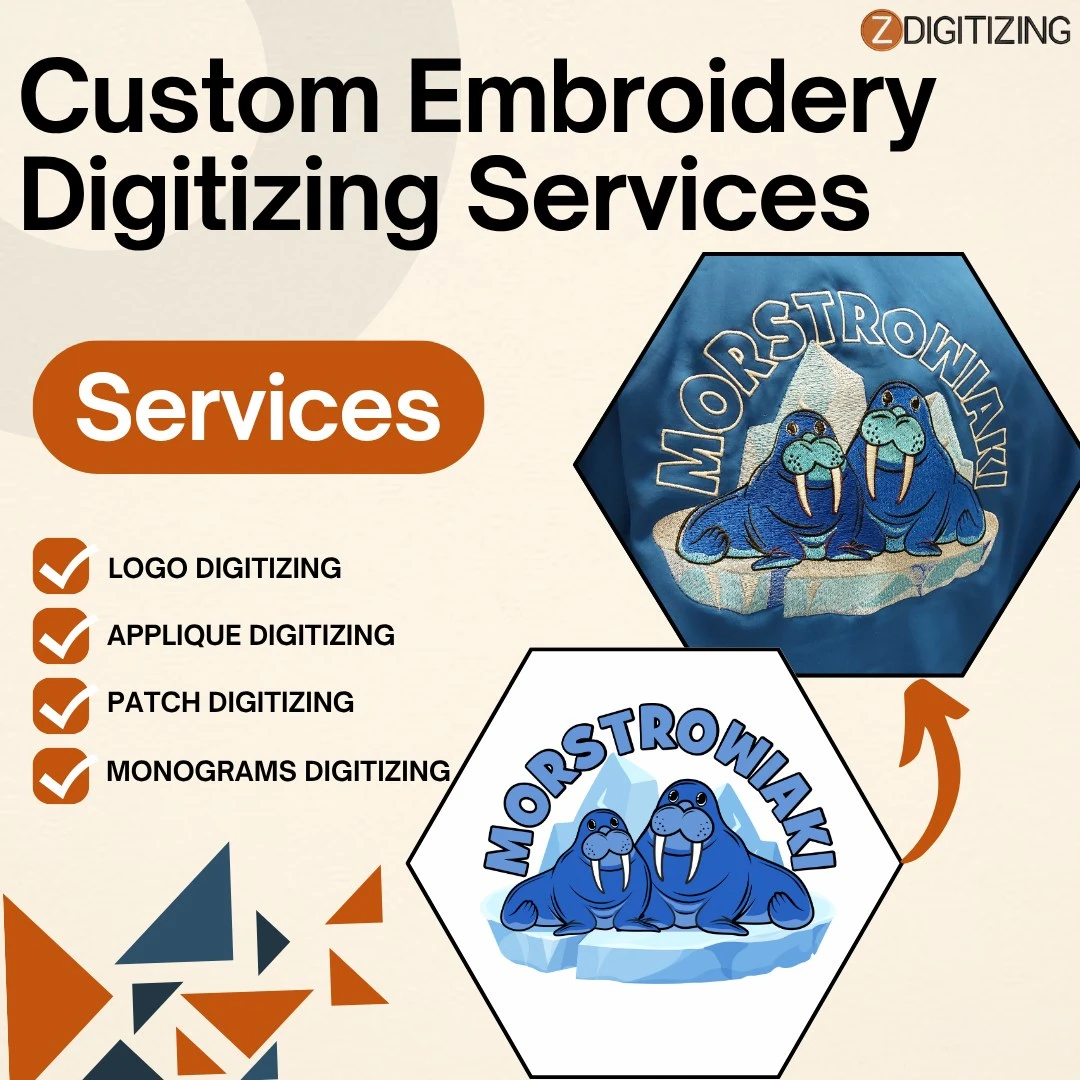
In today’s embroidery industry, digitizing has become an essential step in producing precise and professional designs. Professional embroidery digitizing is the process of converting artwork into a digital file that embroidery machines can interpret accurately.
This process ensures that logos, patterns, or custom designs are reproduced consistently across various fabrics and products. Whether you manage a small embroidery business or handle larger-scale production, understanding professional digitizing is key to achieving quality results.
What is Embroidery Digitizing?
Embroidery digitizing involves transforming an image, logo, or artwork into a machine-readable format. Unlike printing, embroidery uses thread stitched onto fabric, which requires careful planning to maintain proper alignment and avoid distortion. A digitizer translates design elements into stitch types, directions, and densities, ensuring the final embroidery closely resembles the original artwork.
While automated software can handle basic designs, professional embroidery digitizing provides superior accuracy, durability, and overall appearance. Skilled digitizers consider fabric type, thread color, and stitch placement to prevent common issues like puckering, misalignment, or thread breakage.
Importance of Professional Embroidery Digitizing
Professional digitizing improves both the quality and efficiency of embroidery projects. Key benefits include:
- Precision in Design: Expert digitizers adjust stitch types, angles, and densities according to design complexity and fabric characteristics.
- Consistency: Identical quality can be maintained across multiple items, which is critical for uniforms, corporate apparel, and promotional merchandise.
- Efficiency: Properly digitized files reduce setup errors and minimize wasted time and materials during production.
- Versatility: Professional digitizers can resize and modify designs for different products while maintaining visual integrity.
- Enhanced Appearance: Accurate digitizing preserves sharp lines, clear details, and texture consistency for a polished finished product.
The Professional Digitizing Process
The digitizing workflow combines technical knowledge with creative decision-making:
- Artwork Review: The digitizer assesses design complexity, colors, and sizing requirements.
- Stitch Selection: Appropriate stitch types—such as satin, fill, or running stitches—are chosen based on fabric and design.
- Planning Stitch Direction and Density: Correct angles and thread density prevent distortion and ensure durability.
- Digitizing the Design: Specialized software converts the design into a digital embroidery file compatible with machines.
- Test Stitching: A sample is stitched to check accuracy, colors, and overall appearance. Adjustments are made as needed.
- Final File Delivery: Once approved, the design is ready for production with consistent results across all items.
Types of Embroidery Digitizing Services
Professional digitizing can support a variety of applications, including:
- Logo Digitizing: For corporate apparel and branding purposes.
- Custom Apparel: T-shirts, jackets, hats, and bags can be embroidered with detailed designs.
- Monogramming: Personal initials or names on clothing and accessories.
- Patch Digitizing: Embroidered patches for uniforms, clubs, and promotional use.
- 3D Puff Embroidery: Special digitizing for raised embroidery, typically on caps or jackets.
Benefits of Outsourcing to Professionals
While some businesses attempt in-house digitizing, outsourcing to skilled digitizers has clear advantages:
- Experience: Professionals understand the nuances of different fabrics, threads, and design complexities.
- Cost Efficiency: Reduces errors, thread wastage, and machine downtime.
- Time Savings: Digitizers deliver ready-to-use files faster, allowing businesses to focus on production.
- High-Quality Results: Ensures precise, clean, and visually consistent embroidery.
- Technical Guidance: Professionals provide recommendations for file formats, stitch types, and production adjustments.
How to Choose the Right Digitizing Service
Selecting a professional embroidery digitizing provider requires careful consideration:
- Portfolio and Experience: Check their past projects and design range.
- Advanced Software Use: Ensure they use industry-standard software capable of handling complex designs.
- Communication: Clear discussion of design expectations ensures accuracy.
- File Compatibility: Confirm they provide files compatible with your embroidery machines.
- Customer Support: A reliable service assists with adjustments and troubleshooting.
Frequently Asked Questions (FAQs)
1. Can any design be digitized for embroidery?
Most designs can be digitized, but very fine details or gradients may require adjustments for optimal stitching. Professional digitizers know how to adapt designs for different fabrics and thread types.
2. How long does it take to digitize a design?
The turnaround time depends on the complexity of the design. Simple logos may take a few hours, while intricate patterns can take a day or more, including test stitching.
3. What file formats are commonly used for embroidery machines?
Common formats include DST, PES, EXP, and JEF. A professional digitizer can provide the correct format for your machine.
4. Is professional digitizing expensive?
While it involves an upfront cost, professional digitizing reduces errors, material waste, and production time, making it a cost-effective investment in quality embroidery.
Conclusion
Professional embroidery digitizing ensures that designs are accurately and efficiently translated into high-quality embroidered products. By choosing skilled digitizers, businesses and hobbyists can maintain consistency, save time, and produce visually appealing items that meet professional standards. From corporate logos to custom apparel, professional digitizing is a necessary step for achieving precise and reliable results with every stitch.



