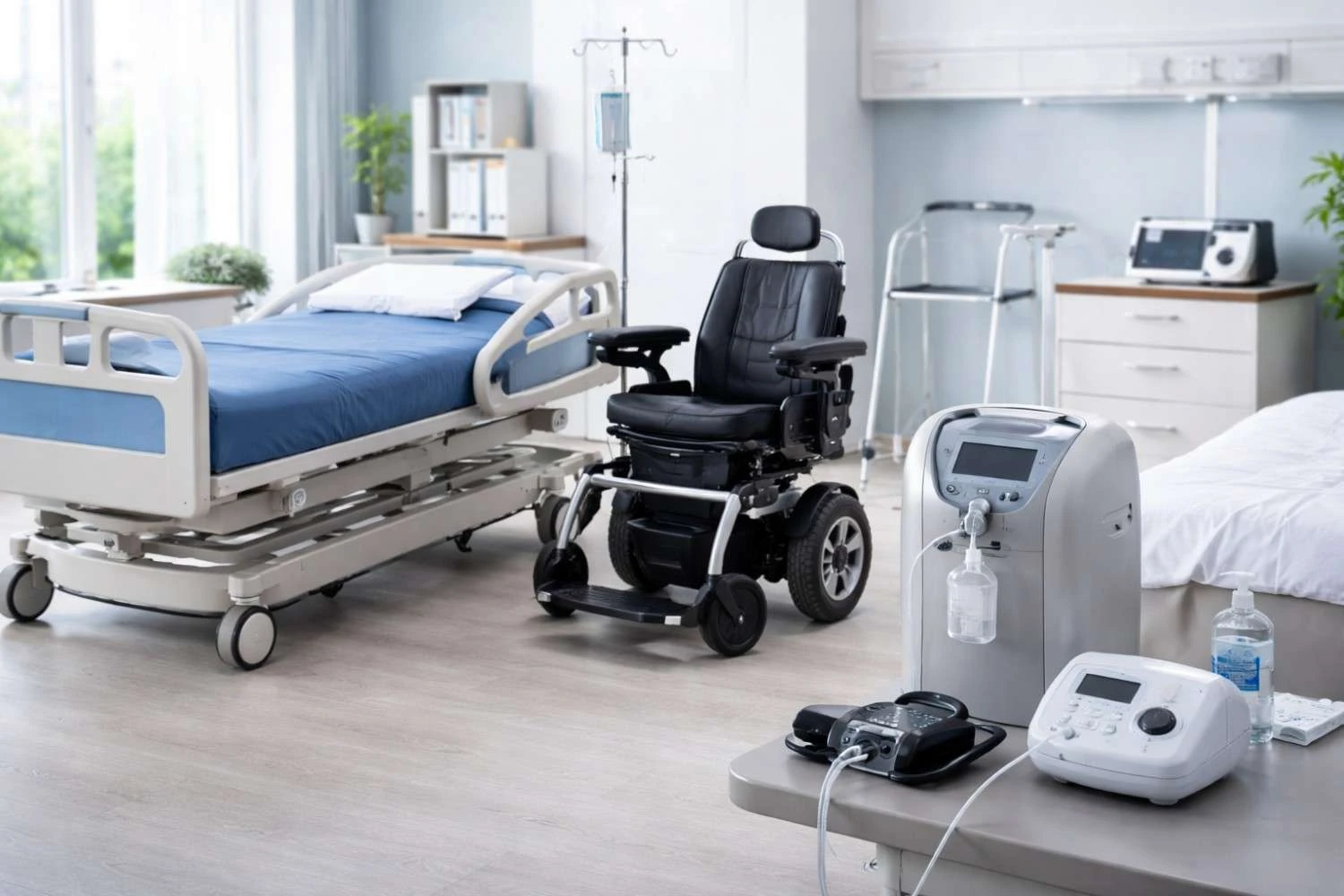
Durable Medical Equipment (DME) plays a vital role in modern healthcare systems. Whether supporting recovery after surgery, assisting individuals with chronic conditions, or enabling independent living for seniors, DME ensures that patients receive consistent and reliable care outside traditional hospital settings. As healthcare increasingly shifts toward outpatient treatment and home-based care, the demand for high-quality medical equipment continues to grow.
This comprehensive guide explains what durable medical equipment is, how it works, who needs it, regulatory requirements, insurance considerations, technological advancements, and future industry trends. The objective is to provide clear, practical, and authoritative information for patients, caregivers, healthcare professionals, and procurement specialists.
What Is Durable Medical Equipment (DME)?
Durable Medical Equipment refers to reusable medical devices prescribed by healthcare providers for long-term use. Unlike disposable medical supplies, DME is designed to withstand repeated use and provide therapeutic or mobility support over an extended period.
In simple terms, DME includes medical equipment that:
-
Is primarily used for medical purposes
-
Can endure repeated use
-
Is appropriate for home use
-
Is prescribed by a licensed healthcare professional
Common examples include wheelchairs, hospital beds, oxygen concentrators, walkers, and CPAP machines.
Because DME supports patients beyond hospital walls, it bridges the gap between clinical treatment and home recovery.
Why Durable Medical Equipment Is Important
Durable medical equipment improves quality of life while reducing hospital readmissions. Therefore, it has become a cornerstone of patient-centered healthcare.
Promotes Independence
First, DME empowers patients to maintain mobility and perform daily activities. For example, mobility aids such as walkers and wheelchairs allow individuals with limited movement to remain active.
Supports Chronic Disease Management
Patients with long-term conditions such as COPD, diabetes, or sleep apnea depend on equipment like oxygen therapy devices and CPAP machines. Consequently, consistent access to DME ensures ongoing treatment compliance.
Reduces Healthcare Costs
By enabling home-based care, DME reduces hospital stays and associated expenses. As a result, healthcare systems benefit from improved cost efficiency.
Enhances Recovery Outcomes
After surgery or injury, supportive equipment like adjustable hospital beds and rehabilitation devices speeds recovery while minimizing complications.
Types of Durable Medical Equipment
Durable medical equipment spans multiple categories depending on patient needs and medical conditions.
1. Mobility Equipment
Mobility-related DME includes:
-
Manual and electric wheelchairs
-
Walkers and rollators
-
Crutches and canes
-
Mobility scooters
These devices assist individuals with limited movement, balance issues, or post-surgical recovery needs.
2. Respiratory Equipment
Respiratory DME is critical for patients with lung or breathing disorders:
-
Oxygen concentrators
-
Nebulizers
-
CPAP and BiPAP machines
-
Ventilators
Because respiratory illnesses require consistent therapy, reliable equipment is essential.
3. Hospital and Home Care Beds
4. Monitoring and Diagnostic Devices
Home monitoring devices include:
-
Blood pressure monitors
-
Glucose meters
-
Pulse oximeters
-
Cardiac monitors
These tools enable patients and healthcare providers to track health conditions remotely.
5. Rehabilitation Equipment
Rehabilitation DME supports physical therapy and recovery:
-
Continuous passive motion machines
-
Traction equipment
-
Exercise therapy devices
Who Needs Durable Medical Equipment?
DME serves a broad population across different healthcare settings.
Elderly Individuals
As aging populations grow, demand for mobility aids and home safety equipment increases.
Patients with Chronic Conditions
Individuals managing diabetes, cardiovascular disease, arthritis, or respiratory illnesses rely heavily on long-term equipment.
Post-Surgical Patients
After orthopedic surgery or injury, patients often require temporary DME to aid recovery.
Individuals with Disabilities
Long-term physical or neurological disabilities necessitate customized equipment solutions.
Because DME supports diverse medical needs, healthcare providers carefully assess patient eligibility before prescribing equipment.
Insurance Coverage and Medicare Guidelines
Understanding insurance policies is essential when acquiring durable medical equipment.
Medicare Coverage
In the United States, Medicare Part B typically covers medically necessary DME if prescribed by a doctor and supplied by a Medicare-approved provider.
Covered items often include:
-
Wheelchairs
-
Oxygen equipment
-
Hospital beds
-
CPAP machines
However, beneficiaries usually pay a percentage of the approved cost after meeting deductibles.
Private Insurance
Private health insurance plans vary significantly. Therefore, patients must confirm coverage details, rental versus purchase policies, and prior authorization requirements.
Rental vs. Purchase
Some equipment is rented monthly, particularly high-cost items like oxygen concentrators. In contrast, lower-cost devices may be purchased outright.
Because policies differ by provider and region, verifying insurance terms beforehand prevents unexpected expenses.
Regulatory Standards and Compliance
Durable medical equipment is regulated to ensure patient safety and product reliability.
FDA Regulations
In the United States, the Food and Drug Administration (FDA) oversees medical devices, including DME, ensuring safety and performance standards.
Quality Management Systems
Manufacturers often adhere to ISO 13485 certification, which establishes quality management requirements for medical devices.
Supplier Accreditation
DME suppliers may require accreditation from recognized bodies to participate in Medicare or insurance programs.
Because regulatory oversight protects patients, purchasing from certified providers is essential.
Technology Advancements in Durable Medical Equipment
Technological innovation is transforming the DME industry. As healthcare becomes more digital, equipment is becoming smarter and more connected.
Smart Medical Devices
Many devices now include Bluetooth connectivity and mobile app integration, allowing real-time monitoring.
Remote Patient Monitoring
Connected glucose meters and blood pressure monitors transmit data directly to healthcare providers.
Lightweight and Ergonomic Designs
Modern mobility aids use advanced materials that improve comfort and portability.
AI-Enabled Equipment
Artificial intelligence enhances predictive maintenance and therapy optimization.
Because digital integration improves data accuracy and treatment adherence, smart DME is rapidly gaining adoption.
Selecting the Right Durable Medical Equipment Supplier
Choosing a reputable DME supplier is crucial for safety and service reliability.
Verify Licensing and Accreditation
Ensure the supplier meets regulatory requirements and insurance eligibility standards.
Assess Product Quality
Look for certified medical-grade equipment from recognized manufacturers.
Evaluate Service and Maintenance
Reliable suppliers provide installation, training, repairs, and maintenance services.
Confirm Insurance Coordination
Experienced providers assist with documentation and insurance claims processing.
Because DME often involves long-term use, supplier reliability directly affects patient outcomes.
Common Questions About Durable Medical Equipment
What qualifies as durable medical equipment?
DME includes reusable medical devices prescribed for home use that serve a medical purpose and withstand repeated use.
Is durable medical equipment covered by insurance?
Many insurance plans, including Medicare, cover medically necessary DME when prescribed by a physician.
Can durable medical equipment be rented?
Yes. High-cost items are frequently rented rather than purchased.
How long does DME last?
The lifespan varies depending on the product type, usage frequency, and maintenance.
Industry Trends and Market Growth
The durable medical equipment market is expanding globally due to several factors.
Aging Global Population
Increased life expectancy drives higher demand for mobility and home healthcare solutions.
Growth of Home Healthcare
As healthcare shifts from hospitals to homes, reliance on DME continues to rise.
Value-Based Care Models
Healthcare systems increasingly focus on preventive care and reduced hospital readmissions.
Technological Integration
Digital health ecosystems encourage connected medical devices and data-driven care.
Because these trends show no signs of slowing, the DME sector is expected to experience sustained growth.
The Future of Durable Medical Equipment
Looking ahead, durable medical equipment will become more personalized, connected, and efficient. Integration with telehealth platforms will enhance remote care delivery. Furthermore, predictive analytics will improve maintenance schedules and patient adherence.
Sustainability will also influence manufacturing processes. Eco-friendly materials and energy-efficient designs may become industry standards. At the same time, regulatory frameworks will continue evolving to address cybersecurity risks in connected medical devices.
Because patient expectations are changing, DME providers must prioritize innovation and service excellence.
Conclusion
Durable Medical Equipment represents a critical component of modern healthcare delivery. By supporting mobility, chronic disease management, rehabilitation, and home-based treatment, DME enhances patient independence and reduces healthcare system burdens.
From wheelchairs and oxygen concentrators to smart monitoring devices, these reusable medical tools bridge clinical care and everyday life. Moreover, as technology advances and healthcare models shift toward home-based solutions, the importance of durable medical equipment will continue to increase.
For patients, caregivers, and healthcare professionals, understanding DME options, insurance coverage, compliance standards, and supplier selection is essential. Ultimately, informed decisions about durable medical equipment contribute to safer care, better outcomes, and improved quality of life.