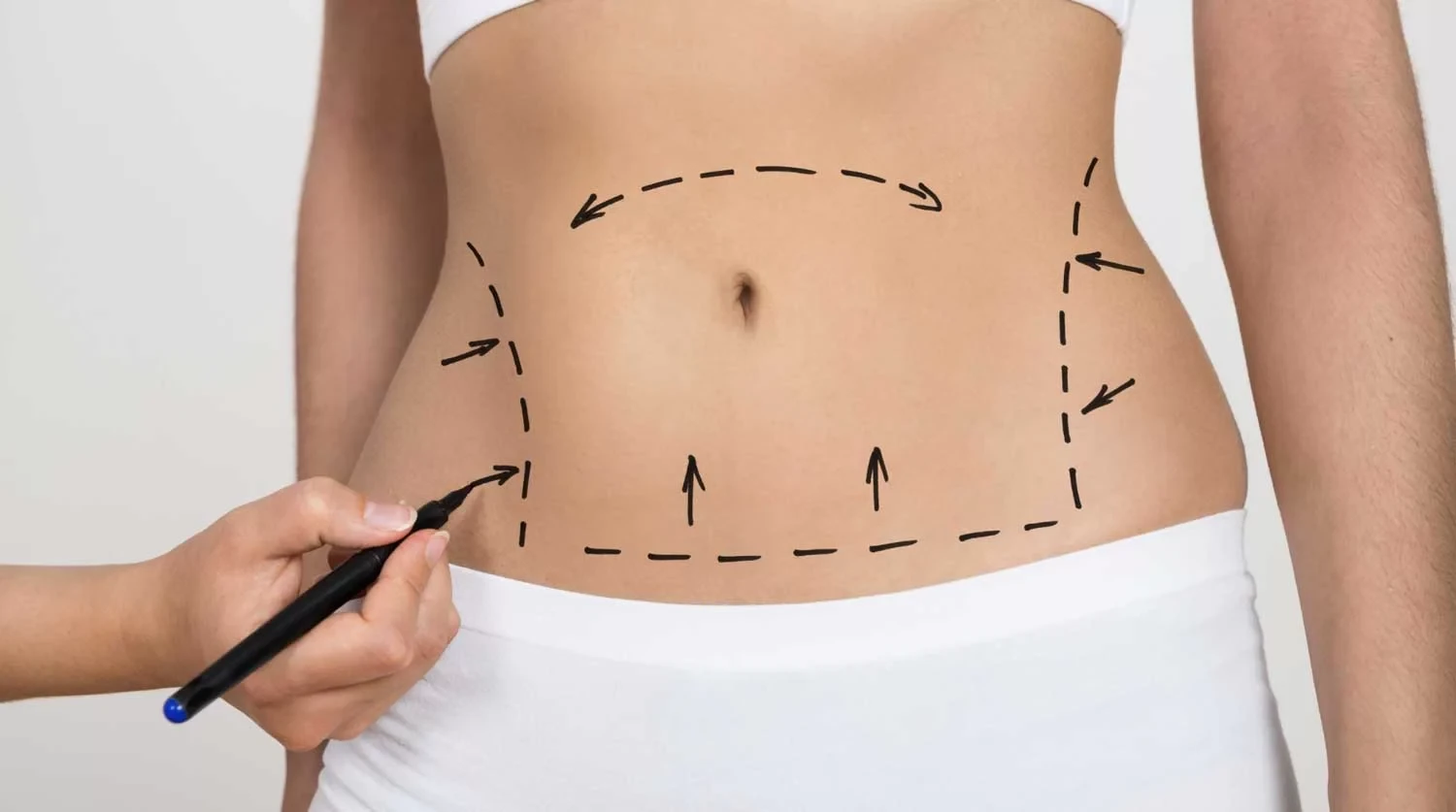
Tummy tuck surgery, medically known as abdominoplasty, is a cosmetic procedure aimed at improving the appearance of the abdomen by removing excess skin and fat and tightening the abdominal muscles.
While it can deliver transformative results, undergoing a tummy tuck in Dubai is a significant decision that requires careful consideration. Before opting for this procedure, it's crucial to understand its various aspects, including the candidacy criteria, potential risks, recovery process, and expected outcomes.
Candidacy Criteria
Before undergoing a tummy tuck, individuals must meet certain eligibility criteria. Typically, candidates for this procedure are those who:
-
Have excess abdominal skin and fat that does not respond to diet and exercise.
-
Have weakened or separated abdominal muscles due to factors like pregnancy or significant weight loss.
-
Are in good overall health, with no underlying medical conditions that could impair healing.
-
Have realistic expectations about the outcomes of the surgery.
It's essential to consult with a board-certified plastic surgeon to assess your candidacy for a tummy tuck and discuss your goals and concerns.
Types of Tummy Tucks
There are different types of tummy tuck surgeries, each tailored to address specific concerns and goals:
-
Traditional or Full Tummy Tuck: This involves an incision made horizontally between the hip bones, through which excess skin and fat are removed, and the abdominal muscles are tightened.
-
Mini Tummy Tuck: Ideal for individuals with minor skin laxity below the navel, this procedure requires a smaller incision and focuses on addressing the lower abdomen.
-
Extended Tummy Tuck: Suitable for those with significant excess skin and fat not only in the abdomen but also extending to the flanks and lower back, this procedure involves a longer incision along the abdomen and possibly around the hips.
Understanding the different types of tummy tucks will help you and your surgeon determine the most appropriate approach to achieve your desired results.
Potential Risks and Complications
Like any surgical procedure, tummy tucks carry certain risks and potential complications, including:
-
Infection: There is a risk of developing an infection at the incision site, which can be minimized through proper wound care and antibiotic administration.
-
Hematoma and Seroma: Accumulation of blood or fluid under the skin may occur, requiring drainage to prevent complications.
-
Poor Wound Healing: Factors such as smoking, diabetes, and certain medications can impede the healing process, leading to delayed wound healing or wound breakdown.
-
Changes in Sensation: Temporary or permanent changes in sensation, including numbness or hypersensitivity, may occur around the incision site.
-
Unsatisfactory Results: While tummy tucks can produce dramatic improvements in abdominal contour, individual results may vary, and some patients may be dissatisfied with the outcome.
It's crucial to discuss these potential risks with your surgeon and follow their pre and post-operative instructions to minimize the likelihood of complications.
Recovery Process
The recovery period following a tummy tuck surgery varies from person to person but generally involves the following stages:
-
Immediate Postoperative Period: After the surgery, patients will spend some time in the recovery room before being discharged home or to a medical facility for overnight observation.
-
Initial Healing Phase: The first few days following surgery are characterized by swelling, bruising, and discomfort, which can be managed with pain medication and wearing compression garments.
-
Gradual Resumption of Activities: Patients are advised to avoid strenuous activities and heavy lifting during the initial weeks of recovery. Light walking is encouraged to promote circulation and prevent blood clots.
-
Long-Term Recovery: It may take several weeks to months for the swelling to subside completely and for the final results of the surgery to become apparent. Patients should follow their surgeon's guidelines regarding scar care, physical activity, and follow-up appointments.
Understanding the recovery process and being prepared for the associated downtime is essential for a smooth and successful tummy tuck experience.
Expected Outcomes
While individual results may vary, most patients experience significant improvements in abdominal contour and overall body confidence following a tummy tuck. Key outcomes include:
-
Flatter and Firmer Abdomen: By removing excess skin and fat and tightening the abdominal muscles, a tummy tuck can create a smoother and more toned midsection.
-
Improved Clothing Fit: Patients often find that clothing fits more comfortably and looks more flattering after undergoing a tummy tuck.
-
Enhanced Self-Esteem: Achieving a more aesthetically pleasing abdominal appearance can boost self-confidence and improve the overall quality of life for many individuals.
It's essential to have realistic expectations about the outcomes of a tummy tuck and to communicate openly with your surgeon about your goals and concerns.
Wrap Up
Provided you’re getting it from the best plastic surgeon in Dubai, a tummy tuck surgery can be a transformative procedure for individuals seeking to address excess abdominal skin and fat and achieve a smoother, firmer midsection.