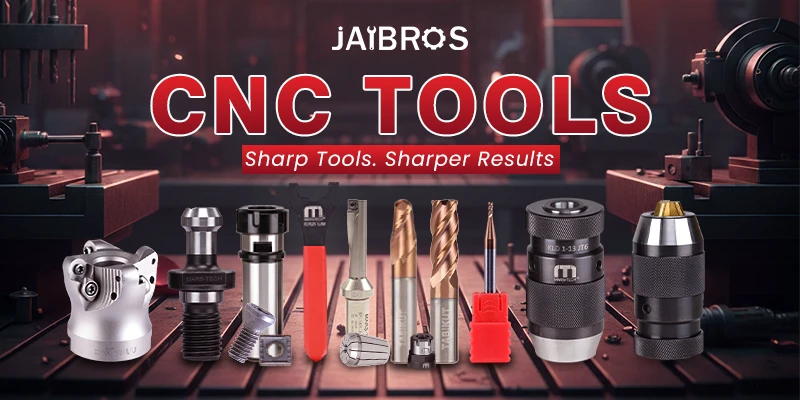
Learn how to identify the warning signs of a worn CNC tool. Improve machining quality, reduce downtime, and protect your equipment with timely tool replacement.
Signs You Should Replace Your CNC Tool Immediately
In modern manufacturing, precision and efficiency depend heavily on tooling performance. Even the most advanced machining setup cannot deliver consistent results if the cutting tool is worn or damaged. Recognizing the right time to replace a CNC tool is essential to maintaining quality, protecting your machinery, and avoiding costly downtime.
Every cutting operation gradually wears down tooling edges. However, many manufacturers delay replacement to save costs, often resulting in poor surface finish, dimensional inaccuracies, and even machine damage. Whether you operate different types of CNC machines, such as milling centers, turning machines, or multi-axis systems, tool condition plays a direct role in production success.
1. Decline in Surface Finish Quality
One of the earliest warning signs is a noticeable drop in surface finish. If the machined component appears rough or uneven or contains visible tool marks, it may indicate wear on the cutting edges.
A sharp CNC tool ensures smooth material removal. When the edge becomes dull, friction increases, generating excess heat and vibration. This results in surface imperfections that may require additional finishing processes, increasing production time and cost.
Consistent inspection of finished parts can help detect early wear before it becomes a major issue.
2. Increase in Cutting Force and Machine Load
If you observe higher spindle load or unusual resistance during cutting, it could mean your CNC tool is losing its sharpness. Worn tools require more force to remove material, placing additional strain on the spindle and machine components.
-
Over time, excessive load can cause:
-
Machine vibration
-
Spindle overheating
-
Reduced machine lifespan
Regardless of the types of CNC machines in your facility, maintaining optimal cutting conditions protects both tools and equipment.
3. Excessive Tool Wear or Chipping
Visible wear such as edge rounding, flank wear, or chipping clearly indicates replacement is necessary. Micro-chipping may not always be visible without magnification, but it significantly affects cutting performance.
A damaged CNC tool can also scratch or deform the workpiece, leading to rejected parts. Regular tool inspection under proper lighting and magnification ensures early detection of wear patterns.
4. Poor Dimensional Accuracy
Precision is critical in industries like aerospace, automotive, and medical manufacturing. When a tool begins to wear, it may produce parts that fall outside tolerance limits.
If you notice frequent measurement deviations, the issue may not always be programming or machine calibration. A worn CNC tool often loses its ability to maintain tight tolerances, especially in high-speed operations.
Replacing tools at the right interval ensures dimensional consistency and reduces material waste.
5. Increased Heat Generation
Heat is a natural byproduct of machining, but excessive heat signals a problem. A dull tool creates friction instead of clean cutting action.
Symptoms include:
-
Discoloration on the workpiece
-
Burn marks
-
Smoke during machining
An overheated CNC tool deteriorates faster and may cause thermal damage to the component. Proper cooling combined with timely tool replacement prevents such issues.
6. Unusual Noise or Vibration
Machining operations should run smoothly under stable conditions. If you hear unusual sounds such as squealing or grinding, it may indicate tool wear.
-
Vibration or chatter can result from:
-
Dull cutting edges
-
Improper tool balance
-
Tool holder issues
Ignoring these signs can lead to sudden breakage. Replacing the CNC tool restores stability and ensures smoother operation.
7. Reduced Productivity and Longer Cycle Times
When tools wear out, operators often reduce feed rates or speeds to maintain part quality. This directly increases cycle time.
Using the best CNC tools improves cutting efficiency and allows you to maintain optimal machining parameters. Delaying replacement reduces productivity and affects overall profitability.
8. Frequent Tool Breakage
Repeated breakage is a serious warning sign. It may indicate poor tool quality, incorrect parameters, or overdue replacement.
Working with a trusted CNC tools manufacturer ensures access to durable and reliable products. High-quality tooling is designed to withstand mechanical and thermal stress, reducing unexpected failures.
If breakage occurs frequently despite correct setup, replacing the tool with a better-grade option is necessary.
9. Visible Coating Damage
Modern tools feature advanced coatings to enhance wear resistance and heat protection. If you observe peeling or discoloration of the coating, it means the protective layer is compromised.
Once the coating fails, the tool substrate is exposed to extreme heat and abrasion. Replacing the worn CNC tool ensures continued cutting performance and tool life.
10. Excessive Burr Formation
Burrs at the edges of machined parts often indicate a dull cutting edge. Instead of shearing material cleanly, the tool pushes and tears it.
Excessive burr formation increases finishing time and may compromise assembly quality. A sharp CNC tool minimizes burrs and delivers clean edges.
Importance of Regular Tool Monitoring
Preventive maintenance is the key to maximizing tool life. Implementing tool monitoring systems helps track:
-
Cutting hours
-
Wear patterns
-
Tool change intervals
Some advanced types of CNC machines include automatic tool monitoring features that alert operators when replacement is required.
Searching for CNC tools near me may help you find quick local replacements, but planning ahead ensures uninterrupted production. Many manufacturers also purchase CNC tools online to maintain stock availability and reduce downtime.
How to Extend Tool Life
While replacement is sometimes unavoidable, you can extend tool life through:
-
Proper cutting parameters
-
Adequate cooling
-
Correct tool holder alignment
-
Regular inspection
-
Using high-quality tools
Choosing the best CNC tools from a reputable CNC tools manufacturer ensures durability and consistent performance.
Cost of Delayed Replacement
Postponing tool replacement may seem cost-effective initially, but the long-term consequences include:
-
Machine damage
-
Increased scrap rate
-
Production delays
-
Higher maintenance costs
A proactive approach to replacing a worn CNC tool saves money and protects your investment in machinery.
Conclusion
Recognizing the right time to replace your CNC tool is essential for maintaining productivity, accuracy, and machine health. Signs such as poor surface finish, increased cutting force, excessive heat, vibration, and dimensional errors should never be ignored. Timely replacement prevents costly breakdowns and ensures consistent machining quality.
For manufacturers seeking dependable tooling solutions, Jaibros stands as a trusted industry leader. Jaibros provides high-quality and precision-engineered tools designed to meet modern machining demands. By choosing Jaibros, businesses can ensure long-lasting performance, improved productivity, and superior machining results.
FAQs
Q1. How often should I replace my CNC tool?
Replacement frequency depends on material type, cutting parameters, and production volume. Regular inspection helps determine the right interval.
Q2. What happens if I continue using a worn tool?
It can cause poor surface finish, dimensional inaccuracies, machine damage, and increased production costs.
Q3. How can I identify tool wear early?
Look for surface roughness, increased machine load, unusual noise, or visible edge damage.
Q4. Does tool coating affect replacement time?
Yes. High-quality coatings extend tool life, but once the coating is damaged, replacement becomes necessary.
Q5. Where can I buy reliable CNC tooling products?
You can search for CNC tools near me for local suppliers or explore CNC tools online, but always choose a trusted CNC tool manufacturer for guaranteed quality.