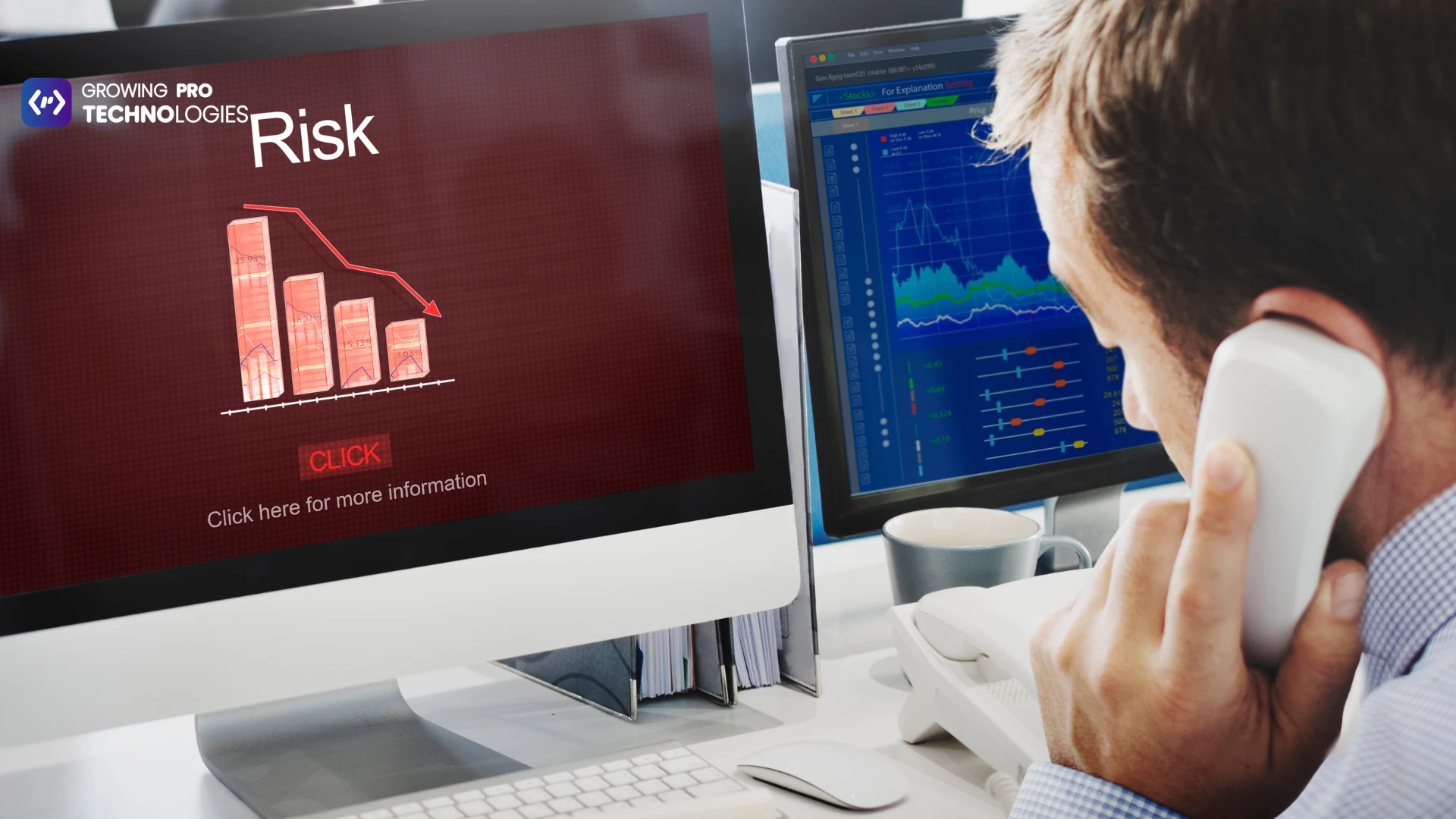
In today’s hyper-connected digital landscape, cyber threats are no longer occasional disruptions—they are constant, evolving, and increasingly sophisticated. From ransomware attacks and phishing campaigns to insider threats and zero-day vulnerabilities, businesses face relentless security challenges. Without continuous monitoring and rapid response, even a minor security incident can escalate into costly downtime and reputational damage.
This is where 24/7 SOC services play a critical role. A Security Operations Center (SOC) operating around the clock ensures that your organization remains protected at all times, minimizing cyber risk and significantly reducing downtime. Let’s explore how continuous monitoring and expert-driven threat management strengthen your overall cybersecurity posture.
Understanding 24/7 SOC Services
A Security Operations Center (SOC) is a centralized function that monitors, detects, investigates, and responds to cybersecurity incidents. 24/7 SOC services provide uninterrupted surveillance of your IT infrastructure, networks, endpoints, and cloud environments.
These services typically include:
-
Continuous threat monitoring
-
Real-time alert analysis
-
Incident detection and response
-
Vulnerability management
-
Log monitoring and correlation
-
Threat intelligence integration
-
Compliance support and reporting
Unlike traditional security approaches that rely on periodic checks, 24/7 monitoring ensures no threat goes unnoticed—regardless of when it occurs.
The Rising Cost of Cyber Risk and Downtime
Cyberattacks are expensive. Beyond direct financial loss, businesses face:
-
Operational disruptions
-
Data loss and recovery costs
-
Legal penalties and compliance fines
-
Damage to brand reputation
-
Customer trust erosion
Downtime alone can cost organizations thousands—or even millions—of dollars per hour, depending on industry and scale. Without proactive detection, attackers can remain undetected for weeks or months, increasing the potential damage.
By implementing 24/7 SOC services, organizations significantly reduce the window of exposure and contain threats before they impact business operations.
1. Continuous Monitoring Prevents Threat Escalation
Cybercriminals often strike outside standard business hours when internal IT teams are unavailable. Nights, weekends, and holidays are prime attack times.
With 24/7 SOC services, your infrastructure is monitored around the clock. Automated tools combined with human expertise analyze logs, traffic patterns, and behavioral anomalies in real time.
This continuous vigilance helps:
-
Identify suspicious activity immediately
-
Prevent lateral movement within networks
-
Stop ransomware before encryption spreads
-
Detect unauthorized access attempts
Early detection means faster containment—and faster containment means reduced downtime.
2. Faster Incident Response Minimizes Damage
The speed of response determines the severity of impact. The longer a threat remains active, the greater the damage.
Professional 24/7 SOC services include dedicated incident response teams who:
-
Investigate alerts instantly
-
Validate genuine threats
-
Contain compromised systems
-
Eliminate malicious actors
-
Restore secure operations quickly
Instead of discovering breaches days later, your business can respond within minutes. This rapid response dramatically reduces operational disruption and prevents prolonged outages.
3. Proactive Threat Hunting Reduces Cyber Risk
Reactive security is no longer sufficient. Modern cybersecurity requires proactive defense strategies.
Advanced 24/7 SOC services go beyond alert monitoring by actively hunting for hidden threats within your environment. Security analysts search for indicators of compromise (IOCs), abnormal behavior, and emerging attack patterns before automated systems flag them.
Proactive threat hunting:
-
Detects stealthy malware
-
Identifies insider threats
-
Uncovers advanced persistent threats (APTs)
-
Reduces dwell time of attackers
By identifying threats early, businesses lower overall cyber risk and avoid costly disruptions.
4. Advanced Technology Integration
Modern SOC operations leverage cutting-edge tools such as:
-
SIEM (Security Information and Event Management)
-
SOAR (Security Orchestration, Automation, and Response)
-
Endpoint Detection and Response (EDR)
-
Extended Detection and Response (XDR)
-
AI-driven analytics
24/7 SOC services integrate these technologies to correlate vast amounts of security data in real time. Automated workflows allow rapid containment while human analysts provide strategic oversight.
This combination of automation and expertise ensures efficient threat mitigation without overwhelming internal teams.
5. Reduced Downtime Through Rapid Containment
Downtime typically occurs when threats spread unchecked. For example:
-
Ransomware encrypts multiple systems
-
Malware disrupts server operations
-
DDoS attacks overwhelm networks
With continuous monitoring, suspicious activities are isolated immediately. Affected endpoints can be quarantined before the infection spreads.
By limiting the scope of incidents, 24/7 SOC services reduce recovery time and restore normal operations quickly—protecting both revenue and productivity.
6. Strengthened Compliance and Risk Management
Regulatory requirements such as GDPR, HIPAA, PCI-DSS, and ISO standards demand strong security monitoring and incident response capabilities.
Organizations without proper monitoring risk non-compliance penalties and reputational damage.
Professional 24/7 SOC services help businesses:
-
Maintain audit-ready logs
-
Document incident response actions
-
Meet regulatory requirements
-
Demonstrate proactive risk management
This structured approach not only ensures compliance but also strengthens overall governance.
7. Cost-Effective Alternative to In-House SOC
Building an in-house SOC requires:
-
Hiring skilled cybersecurity analysts
-
Purchasing advanced security tools
-
Managing 24/7 shift rotations
-
Continuous training and upgrades
For many organizations, this is financially impractical.
Outsourcing 24/7 SOC services provides access to enterprise-grade security expertise without the overhead of maintaining a full internal team. This model reduces operational costs while delivering higher efficiency and better threat coverage.
8. Improved Business Continuity and Resilience
Cyber resilience is about maintaining operations even during security incidents.
With continuous detection, automated containment, and expert response, 24/7 SOC services support business continuity strategies by:
-
Minimizing service interruptions
-
Preventing large-scale system failures
-
Protecting sensitive data
-
Reducing recovery time objectives (RTO)
This ensures your business can operate securely and confidently—even in the face of evolving threats.
Why Businesses Need 24/7 SOC Services Today
Cyber threats are no longer a matter of “if” but “when.” Attackers continuously refine their techniques, targeting organizations of all sizes. Small and mid-sized businesses are particularly vulnerable due to limited internal security resources.
Investing in 24/7 SOC services ensures:
-
Real-time protection
-
Reduced breach impact
-
Lower operational downtime
-
Stronger compliance posture
-
Enhanced customer trust
In a digital economy where availability and security are critical, continuous monitoring is no longer optional—it’s essential.
Conclusion
Cyber risk and downtime can severely impact business growth, profitability, and reputation. Without constant vigilance, even a minor vulnerability can turn into a major security incident.
By implementing professional 24/7 SOC services, organizations gain continuous monitoring, rapid incident response, proactive threat hunting, and advanced security integration—all working together to reduce cyber risk and operational disruption.
If your organization is looking to strengthen its cybersecurity posture and ensure uninterrupted business operations, explore reliable 24/7 SOC services designed to protect your digital assets around the clock.