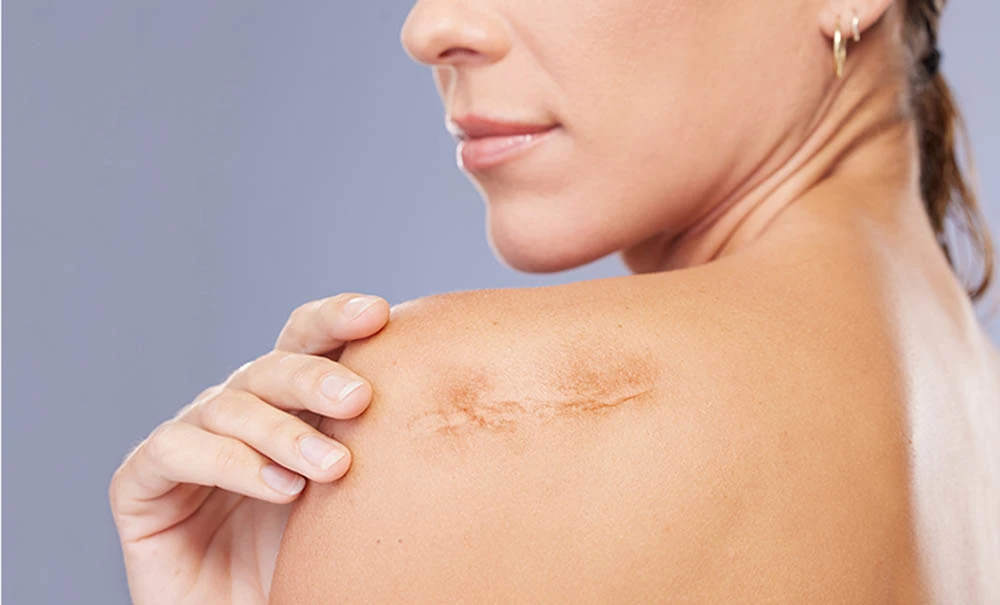
Scars are a natural part of the body’s healing process, but older scars often require a different approach than fresh ones. How is treatment different for old scars? This question is especially relevant for individuals seeking Hypertrophic Scars Treatment in Dubai, where specialized clinics like Dynamic Life Clinic offer advanced solutions tailored for mature scars. Old scars tend to be more rigid and dense, meaning conventional treatments may not always deliver the desired results, necessitating a strategic combination of therapies.
Understanding Old Scars
Old scars, typically over a year in age, undergo changes in skin texture, elasticity, and pigmentation. Unlike new scars, which are more responsive to simple topical treatments, mature scars may:
-
Become thicker or raised due to excess collagen
-
Exhibit darker or uneven pigmentation
-
Limit skin flexibility in the affected area
-
Develop irregular contours that affect appearance
Recognizing these differences is crucial before deciding on a treatment plan, as the goal is not only aesthetic improvement but also restoring skin functionality.
Key Differences Between Treating New vs. Old Scars
When addressing old scars, clinicians adopt techniques that target established tissue patterns rather than preventing scar formation. Some primary distinctions include:
-
Skin Penetration Techniques – Older scars require deeper penetration to break down dense scar tissue, while new scars may respond to surface-level treatments.
-
Treatment Duration – Mature scars often need more sessions over a longer period to achieve noticeable improvement.
-
Combination Therapies – Older scars frequently respond best to a mix of laser therapy, microneedling, or silicone-based treatments, compared to the simpler approaches suitable for newer scars.
-
Assessment of Scar Type – Hypertrophic scars or keloids demand specialized interventions, whereas flat, fresh scars may only require topical care or light procedures.
Modern Approaches to Treating Old Scars
Clinics in Dubai employ a range of modern methods to tackle old scars effectively:
-
Laser Therapy: Fractional CO2 and pulsed dye lasers help remodel scar tissue, reduce thickness, and improve pigmentation.
-
Microneedling: Tiny needles stimulate collagen production, softening dense tissue and improving elasticity.
-
Silicone Gel Sheets: Applied consistently, they hydrate scar tissue and reduce rigidity.
-
Steroid Injections: Effective for raised hypertrophic scars, these injections flatten and soften the tissue over multiple sessions.
-
Chemical Peels: Light chemical exfoliation can help even out discoloration associated with older scars.
These techniques can be customized depending on scar location, age, and severity, ensuring patients receive a plan designed for maximum improvement.
Lifestyle and Home Care for Mature Scars
Supporting clinical treatment with at-home care enhances results:
-
Sun Protection: UV exposure can darken scars, making SPF a critical step.
-
Moisturization: Regular use of hydrating creams helps maintain skin elasticity.
-
Massage Therapy: Gentle scar massage can soften tissue and improve blood circulation.
-
Avoiding Trauma: Preventing injury or stretching in the scar area aids in maintaining treatment results.
Incorporating these habits alongside professional interventions ensures older scars respond better and maintain improvements over time.
When to Seek Professional Scar Treatment
Consultation is recommended if scars are:
-
Thick, raised, or itchy
-
Darkly pigmented or uneven
-
Restricting movement or causing discomfort
-
Resistant to topical treatments
Specialized clinics in Dubai, like Dynamic Life Clinic, provide assessments to determine the most suitable treatments for mature scars, ensuring safety and effectiveness.
Conclusion
Treating old scars is inherently different from managing new ones due to their established tissue structure and pigmentation changes. Through advanced techniques such as laser therapy, microneedling, and combination treatments, alongside consistent home care, mature scars can be significantly improved. Understanding these differences allows individuals to choose the right interventions, ensuring better cosmetic and functional outcomes for their skin.