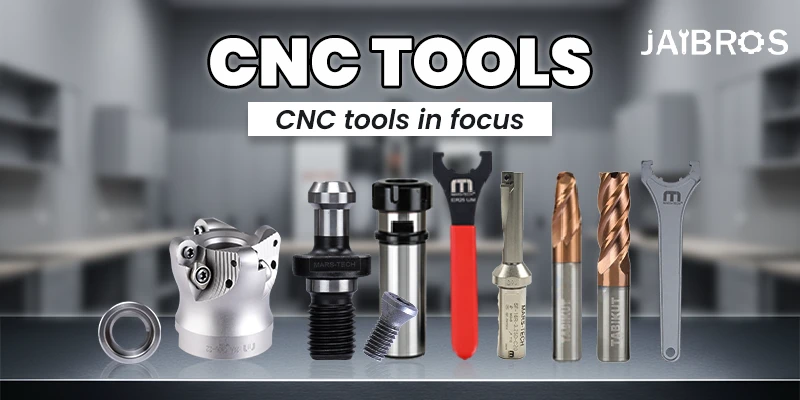
Discover how advanced CNC tool coatings enhance cutting performance, extend tool life, reduce wear, and improve machining efficiency across industries.
The Impact of CNC Tool Coatings on Performance and Durability
In modern machining, productivity and precision are non-negotiable. Manufacturers continuously seek ways to improve efficiency, reduce downtime, and extend tool life. One of the most significant advancements in cutting technology is the development of advanced coatings for every CNC tool.
Tool coatings play a vital role in enhancing durability, minimizing friction, and improving heat resistance. Whether operating advanced types of CNC machines or conventional machining centers, the right coating can dramatically influence cutting performance. In this comprehensive guide, we explore how coatings affect tooling performance and why they are essential in today’s competitive manufacturing environment.
Understanding CNC Tool Coatings
A coating is a thin layer of specialized material applied to the surface of a cutting tool. Although microscopic in thickness, this layer significantly enhances the physical and chemical properties of a tool.
Coatings are typically applied through processes such as Physical Vapor Deposition (PVD) or Chemical Vapor Deposition (CVD). These advanced methods ensure uniform coverage and strong adhesion to the carbide substrate.
The primary goals of coatings include:
-
Increasing hardness
-
Reducing friction
-
Improving heat resistance
-
Enhancing wear resistance
-
Extending tool life
How Coatings Improve Performance
1. Heat Resistance
High-speed machining generates extreme temperatures at the cutting edge. Without protection, excessive heat can quickly degrade a CNC tool.
Advanced coatings such as Titanium Aluminum Nitride (TiAlN) act as thermal barriers. They protect the substrate from high temperatures and maintain edge sharpness even during demanding operations.
This is especially important when working with high-performance types of CNC machines designed for high-speed and heavy-duty applications.
2. Reduced Friction
Friction between the cutting tool and workpiece affects both tool life and surface finish. Coated tools reduce friction, allowing smoother chip flow and minimizing material adhesion.
Lower friction means less power consumption and improved machining efficiency. A properly coated CNC tool enables stable cutting conditions and reduces the risk of built-up edge formation.
3. Enhanced Wear Resistance
Abrasive materials such as cast iron and hardened steel cause rapid wear. Coatings provide an extra protective layer, shielding the tool from mechanical abrasion.
With improved wear resistance, the CNC machine tool maintains consistent performance for longer production cycles, reducing the need for frequent replacements.
4. Improved Surface Finish
Coated tools maintain sharp edges for extended periods. This consistency ensures better dimensional accuracy and smoother surface finishes.
Manufacturers investing in the best CNC tools often prioritize advanced coatings to achieve superior quality results.
Common Types of CNC Tool Coatings
Titanium Nitride (TiN)
Recognized by its gold color, TiN offers general-purpose wear resistance and reduced friction.
Titanium Carbonitride (TiCN)
Provides higher hardness and better abrasion resistance compared to TiN.
-
Titanium Aluminum Nitride (TiAlN)
-
Excellent for high-temperature applications and high-speed machining.
-
Diamond Coatings
Ideal for non-ferrous materials and composites due to exceptional hardness.
Each coating type enhances a CNC differently, depending on material and machining requirements.
Impact on Durability
Durability is one of the most critical factors in tooling performance. Frequent tool replacement disrupts production and increases costs.
A high-quality coated CNC offers:
-
Longer service life
-
Reduced downtime
-
Stable performance under heavy loads
-
Lower maintenance costs
Partnering with a trusted CNC tools manufacturer ensures access to advanced coating technologies designed for specific industrial needs.
Cost vs Value of Coated Tools
Coated tools typically cost more than uncoated ones. However, the initial investment often results in long-term savings.
Benefits include:
-
Higher productivity
-
Fewer tool changes
-
Lower scrap rates
-
Improved machine efficiency
Manufacturers searching for CNC tools near me or exploring tools online should consider performance benefits rather than focusing solely on price.
Compatibility with Different Materials
Tool coatings must match the workpiece material. For example:
-
Aluminum requires coatings that prevent material adhesion.
-
Hardened steel benefits from heat-resistant coatings.
-
Cast iron requires abrasion-resistant layers.
Using the correct coating on a CNC tool ensures optimal cutting performance across various applications.
Environmental and Efficiency Benefits
Coated tools contribute to sustainable manufacturing by reducing waste and energy consumption.
Since coated tools last longer, fewer replacements are needed, lowering raw material usage. Reduced friction also decreases energy demand during machining.
Advanced types of CNC machines operating with coated tools often achieve better overall efficiency and environmental performance.
Choosing the Right Coating Supplier
Selecting a reliable tools manufacturer is essential. A reputable supplier provides:
-
Technical guidance
-
Customized coating options
-
Consistent quality control
-
Industry-certified standards
When purchasing CNC tools online, always verify product specifications and manufacturer credentials. Local sourcing through CNC tools near me may provide faster support, but quality assurance should remain the priority.
Future Trends in Tool Coatings
Coating technology continues to evolve. Innovations include:
-
Nano-layer coatings
-
Multi-layer hybrid coatings
-
Eco-friendly coating materials
-
Smart coatings for wear detection
These advancements will further enhance the durability and efficiency of every CNC tool used in modern manufacturing.
Conclusion
CNC tool coatings have transformed modern machining by significantly improving performance and durability. From reducing friction and heat buildup to enhancing wear resistance and surface finish, coatings provide measurable advantages across industries. While coated tools may require a higher initial investment, their long-term value in terms of productivity and reliability makes them a smart choice for manufacturers.
For manufacturers seeking high-quality, precision-engineered solutions, Jaibros stands out as a trusted industry leader. Jaibros offers advanced tooling products with durable coatings designed to enhance machining efficiency and extend tool life. By choosing Jaibros, businesses can achieve superior productivity, consistent quality, and long-term operational excellence.
FAQs
1. What is the purpose of CNC tool coatings?
Coatings improve hardness, reduce friction, enhance heat resistance, and extend tool life.
2. Are coated tools better than uncoated tools?
Yes, coated tools generally offer better performance, longer durability, and improved surface finish.
3. Do coatings affect machining speed?
Yes, advanced coatings allow higher cutting speeds while maintaining stability and tool integrity.
4. How do I choose the right coating?
Select coatings based on workpiece material, cutting conditions, and machine capability. Consulting a CNC tool manufacturer can help.
5. Where can I purchase coated tooling products?
You can search "CNC tools near me" for local suppliers or explore CNC tools online, but always choose a trusted CNC tool manufacturer for quality assurance.