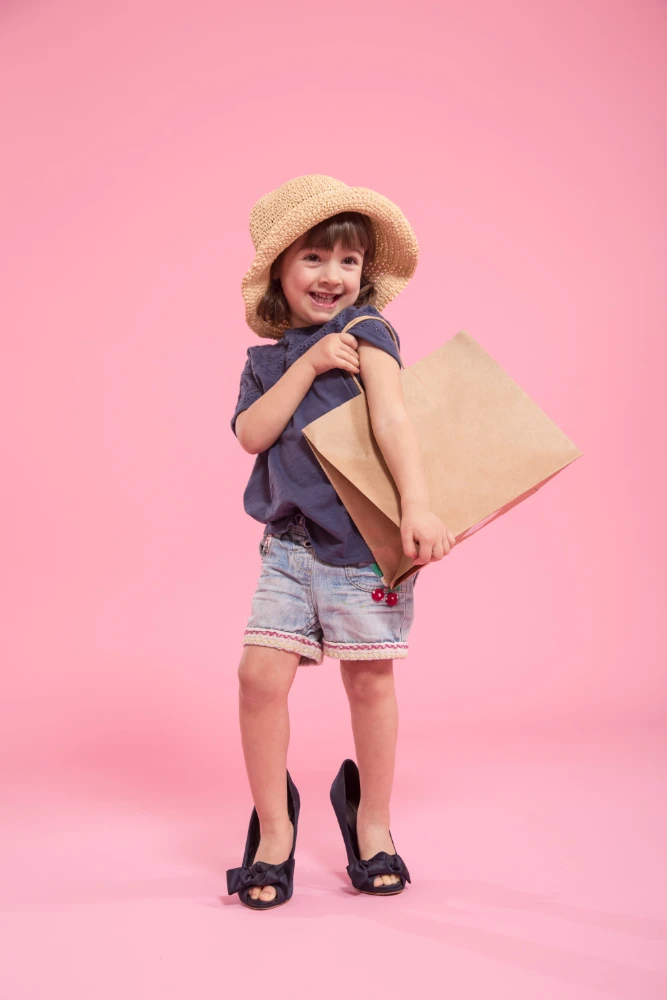
When summer arrives, children naturally want to spend more time outdoors—running, playing, and exploring under the sun. However, rising temperatures and humidity can quickly make them uncomfortable if they are not dressed appropriately. Choosing the right summer clothes for children is not just about style; it is about comfort, breathability, and protection. With the right approach, parents can build a summer wardrobe that keeps their kids cool, happy, and safe throughout the season.
Prioritize Breathable Fabrics
The first and most important factor to consider is fabric. Children’s skin is sensitive, and during summer it can easily become irritated due to sweat and heat. Lightweight, breathable fabrics allow air to circulate and help absorb moisture.
Cotton is one of the best choices for summer. It is soft, natural, and highly breathable, making it ideal for everyday wear. Linen is another excellent option because it dries quickly and feels light on the skin. For active children, moisture-wicking fabrics can also be useful as they draw sweat away from the body and help it evaporate faster.
Avoid heavy synthetic materials that trap heat and moisture. These fabrics can cause discomfort, rashes, and overheating, especially during long hours of outdoor play.
Choose Loose and Relaxed Fits
Tight clothing may look stylish, but it can restrict movement and prevent proper airflow. During summer, loose-fitting clothes are much more comfortable for children. Relaxed fits allow air to move freely around the body, helping regulate temperature.
For boys, loose T-shirts paired with comfortable shorts are a practical option. For girls, airy dresses, skirts, or loose tops with shorts provide both comfort and flexibility. Elastic waistbands are also helpful because they allow easy movement without feeling restrictive.
Children are constantly active, so clothing should support their energy rather than limit it.
Opt for Light Colors
Color plays a bigger role than many people realize. Dark colors absorb more heat from the sun, making children feel warmer. In contrast, light colors such as white, pastel shades, and soft neutrals reflect sunlight and help keep the body cooler.
Bright summer colors are always appealing, but choosing lighter tones can make a noticeable difference in comfort, especially during midday heat.
Focus on Sun Protection
Summer clothing should not only keep children cool but also protect them from harmful sun exposure. Prolonged exposure to ultraviolet (UV) rays can damage delicate skin.
Look for clothes with longer sleeves made from lightweight materials if your child spends extended time outdoors. Wide-brimmed hats are essential for protecting the face, ears, and neck. Some garments even come with built-in UV protection, which adds an extra layer of safety.
While sunscreen is important, clothing can serve as the first line of defense against sunburn.
Pay Attention to Comfort Details
Small details can significantly affect how comfortable a child feels. Check for smooth seams and soft stitching to prevent skin irritation. Tags inside shirts can sometimes scratch or bother children, so tag-free designs are often better.
Buttons, zippers, and snaps should be secure but easy to handle. Younger children especially benefit from simple designs that allow them to dress and undress independently.
Additionally, consider stretchable fabrics that adapt to movement. Children bend, jump, and twist constantly, so flexibility in clothing is key.
Consider Activity Levels
Not all summer days are the same. Some days may involve sports practice, playground visits, or family trips, while others are more relaxed at home. Choose clothing based on the planned activities.
For sports or high-energy activities, lightweight athletic wear designed for breathability works best. For casual outings, comfortable cotton outfits are sufficient. Swimwear should dry quickly and fit properly to prevent discomfort after water play.
Having a variety of options ensures your child is dressed appropriately for different situations.
Ensure Proper Fit
Children grow quickly, and it can be tempting to buy larger sizes so clothes last longer. However, oversized clothing can be uncomfortable and even unsafe during active play. On the other hand, clothes that are too tight restrict circulation and movement.
Always check the size guide when shopping and, if possible, allow your child to try on clothes. Make sure there is enough room to move comfortably without the outfit appearing baggy or ill-fitting.
Think About Easy Maintenance
Summer means more sweating, outdoor dirt, and frequent washing. Choose fabrics that are easy to clean and maintain. Durable materials that hold their shape and color after multiple washes are ideal.
Parents should also consider wrinkle-resistant options to save time and effort. Clothing that requires minimal special care is more practical for everyday summer wear.
Let Children Express Their Style
Comfort is essential, but children also enjoy expressing their personalities through clothing. Allowing them to choose colors, patterns, or favorite prints can make them more excited to wear their outfits.
When children feel confident in what they are wearing, they are more likely to stay comfortable and happy throughout the day.
Final Thoughts
Choosing comfortable summer clothes for children involves balancing breathability, fit, protection, and practicality. By focusing on lightweight fabrics, relaxed designs, light colors, and sun safety, parents can ensure their children remain cool even on the hottest days.
Ultimately, the goal is simple: clothing should support a child’s natural energy and curiosity. When kids are comfortable, they can fully enjoy everything summer has to offer—from outdoor adventures to family gatherings—without being distracted by heat or discomfort. Thoughtful choices today can create a season filled with comfort, safety, and joyful memories.