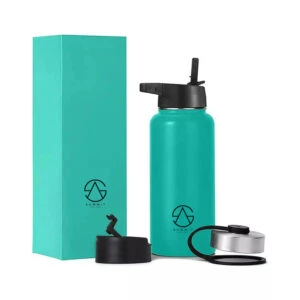
Choosing the right stainless steel insulated water bottle can feel confusing, especially when comparing aluminium vs. stainless steel options. Both materials are popular in Australia for reusable drinkware, but which one truly performs better over the long term?
Let’s break it down in a simple, practical way so you can make a confident decision.
Why Material Matters in Reusable Bottles
When investing in a water bottle, you’re not just buying something to hold water. You’re choosing:
- Durability
- Temperature retention
- Safety
- Environmental impact
- Long-term value
The material plays a major role in all of these factors.
Understanding Aluminum Bottles
Aluminum bottles are lightweight and often more affordable. They’re easy to carry and widely available.
Pros of Aluminum:
- Very light to carry
- Usually cheaper upfront
- Good for short-term or casual use
Cons of Aluminum:
- Dents easily
- Often requires an internal lining
- Can affect taste if lining wears off
- Not ideal for long-term durability
Most aluminum bottles need a protective inner coating to prevent reactions between the metal and liquids. Over time, if that lining cracks or degrades, it may impact safety and taste.
Understanding Stainless Steel Bottles
Now let’s talk about stainless steel. It is stronger, more durable, and commonly used in premium reusable drinkware.
Pros of Stainless Steel:
- Extremely durable
- Rust-resistant
- No internal coating required
- Does not retain flavors
- Better long-term value
High-quality stainless steel bottles are built to last for years without performance issues.
Temperature Performance: Insulated vs Non-Insulated
Not all bottles are created equal. Insulation makes a major difference.
A double-wall vacuum design helps keep:
- Drinks cold for 12–24 hours
- Drinks hot for 6–12 hours
Aluminum bottles usually don’t offer strong insulation unless specially designed. Stainless steel bottles, especially insulated ones, perform significantly better in temperature control.
If you want a bottle for gym sessions, outdoor work, travel, or school use in Australia’s climate, insulation matters.
Durability: Which Lasts Longer?
When comparing aluminum vs stainless steel, durability is one of the biggest differences.
- Aluminum dents easily if dropped.
- Stainless steel resists dents and damage.
- Stainless steel handles daily wear much better.
For long-term use, stainless steel is the stronger choice. It’s ideal for people who use their bottle daily and want something that won’t need replacing every year.
Health & Safety Considerations
Both materials are considered safe when manufactured properly. However:
- Aluminium typically needs a liner.
- Stainless steel does not need internal coatings.
- Stainless steel is less reactive with acidic drinks.
If you drink lemon water, smoothies, or protein shakes, stainless steel tends to maintain taste quality better over time.
Environmental Impact
Reusable bottles already reduce single-use plastic waste. But longevity also affects sustainability.
A bottle that lasts 5–10 years:
- Reduces waste
- Saves money
- Minimizes manufacturing impact
Because stainless steel bottles last longer, they are often the more environmentally responsible long-term investment.
Lightweight and budget-friendly → Aluminum works.
Durable, insulated, long-lasting performance → Stainless steel wins.
For most Australians looking for everyday reliability, a high-quality insulated bottle is the smarter long-term choice.
When comparing aluminum vs stainless steel, stainless steel stands out for durability, safety, insulation performance, and overall value.
FAQs
1. Is a stainless steel insulated water bottle better than aluminum for daily use?
Yes. Stainless steel offers better durability, improved insulation, and longer lifespan, making it ideal for daily use.
2. Does aluminum affect the taste of water?
It can if the internal lining becomes damaged. Stainless steel typically does not retain or alter flavors.
3. Which bottle is more eco-friendly?
Both are reusable, but stainless steel bottles tend to last longer, reducing replacement frequency and environmental impact.