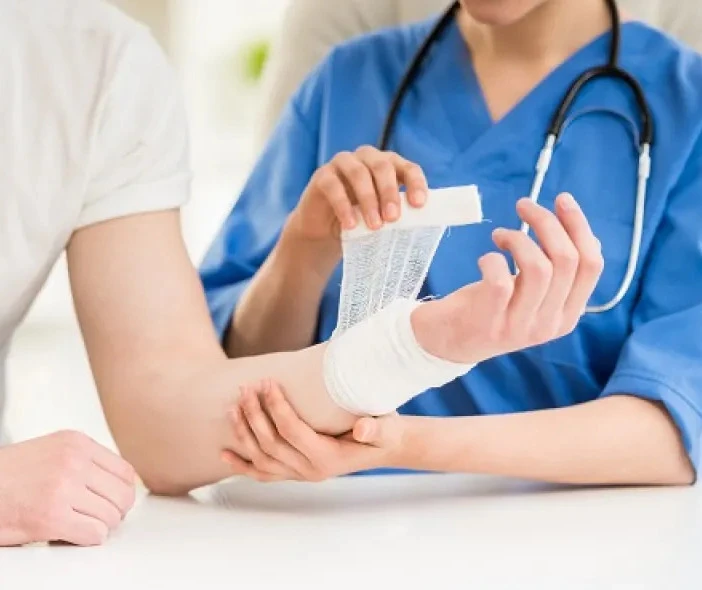
Proper wound management is essential for preventing infection, promoting healing, and maintaining overall health. Whether dealing with minor injuries, surgical wounds, or chronic conditions, using the right wound care products can significantly improve the healing process. Healthcare professionals and caregivers rely on specialized products for wound care to clean, protect, and support the recovery of damaged skin.
For individuals with limited mobility or long-term medical conditions, specialized wound care products for bed sores are particularly important. Bed sores, also known as pressure ulcers, require proper treatment and protective dressings to prevent complications and promote faster recovery.
Understanding the different types of wound care supplies can help patients and caregivers choose the best solutions for safe and effective healing.
Understanding Wound Care and Its Importance
Wound care refers to the medical process of cleaning, treating, and protecting a wound so that it can heal properly. Without proper treatment, wounds can become infected or lead to serious complications.
The primary goals of using products for wound care include:
-
Preventing infection
-
Promoting faster tissue healing
-
Reducing pain and inflammation
-
Protecting the wound from contamination
-
Maintaining a moist healing environment
High-quality wound care products are widely used in hospitals, clinics, and home healthcare settings to manage wounds effectively.
Common Types of Wound Care Products
A variety of wound care products are available to address different types of wounds, ranging from minor cuts to chronic ulcers. These products are designed to support healing while protecting the affected area.
Wound Dressings
Wound dressings are used to cover and protect wounds from dirt and bacteria. They also help absorb fluids and maintain a clean healing environment.
Common types of dressings include:
-
Gauze dressings
-
Foam dressings
-
Hydrocolloid dressings
-
Transparent film dressings
-
Non-adherent pads
These dressings are essential products for wound care because they help protect wounds while allowing proper airflow and moisture balance.
Antiseptic Solutions
Antiseptic solutions are used to clean wounds and prevent bacterial growth. Proper cleaning reduces the risk of infection and prepares the wound for dressing application.
Common antiseptic wound care products include:
-
Saline wound wash
-
Antiseptic sprays
-
Antibacterial cleansing solutions
These products are frequently used during the first stage of wound treatment.
Adhesive Bandages
Adhesive bandages are one of the most commonly used wound care products for minor cuts and abrasions. They help protect the wound while keeping it clean and covered.
These bandages are easy to apply and ideal for small injuries that require basic protection.
Wound Healing Ointments
Topical ointments are designed to promote faster healing and protect wounds from bacteria. These products for wound care help keep the wound moist, which is essential for healthy tissue regeneration.
Many ointments also contain ingredients that reduce inflammation and soothe irritated skin.
Wound Care Products for Bed Sores
Bed sores, also known as pressure ulcers, develop when prolonged pressure reduces blood flow to certain areas of the skin. They are most common among individuals who spend long periods in bed or wheelchairs.
Using the right wound care products for bed sores is critical to prevent infection and encourage healing.
Pressure Ulcer Dressings
Specialized dressings designed for pressure ulcers help absorb moisture and protect the wound from further irritation. These dressings maintain the ideal healing environment.
Common options include:
-
Foam dressings
-
Hydrogel dressings
-
Alginate dressings
-
Silicone wound dressings
These advanced wound care products help manage wound drainage and protect fragile skin.
Barrier Creams
Barrier creams are used to protect surrounding skin from moisture and irritation. They are particularly helpful for individuals who experience incontinence or excessive sweating.
Applying these creams regularly can help prevent the formation of additional bed sores.
Wound Cleansing Solutions
Cleaning bed sores regularly is essential to prevent infection. Specialized cleansing solutions remove debris and bacteria without damaging sensitive tissue.
These products for wound care are gentle and designed specifically for chronic wounds.
Medical Adhesive Tapes
Medical tapes are used to secure dressings in place. High-quality adhesive tapes ensure that wound dressings remain stable while still allowing the skin to breathe.
Stages of Bed Sores and Treatment Needs
Understanding the stages of bed sores can help caregivers select appropriate wound care products for bed sores.
Stage 1
At this stage, the skin appears red and irritated but remains intact. Protective creams and pressure-relief strategies are important.
Stage 2
The skin begins to break, forming shallow wounds or blisters. Protective dressings and antibacterial products are commonly used.
Stage 3
The wound becomes deeper and may affect underlying tissue. Advanced wound care products such as foam dressings or alginate dressings are often required.
Stage 4
This is the most severe stage, where deep tissue damage occurs. Medical supervision and specialized wound care supplies are necessary for proper treatment.
Best Practices for Effective Wound Care
Using the right products for wound care is important, but proper wound care techniques are equally essential for healing.
Keep the Wound Clean
Cleaning the wound regularly helps remove bacteria and prevents infection.
Use Appropriate Dressings
Different wounds require different dressings. Selecting the correct wound care products ensures optimal healing conditions.
Change Dressings Regularly
Dressings should be replaced as recommended to maintain cleanliness and prevent bacterial growth.
Reduce Pressure on Affected Areas
For bed sore prevention, repositioning the patient frequently helps reduce pressure on vulnerable areas.
Seek Medical Guidance
Serious wounds or infected wounds should always be evaluated by healthcare professionals.
Benefits of Using Professional Wound Care Products
Professional wound care products offer several advantages compared to basic first-aid supplies.
Faster Healing
Advanced wound dressings maintain the ideal moisture balance for tissue regeneration.
Infection Prevention
Antibacterial materials help reduce the risk of infection.
Improved Comfort
Modern wound care supplies are designed to reduce pain and irritation.
Better Protection
Specialized dressings protect wounds from external contamination.
These benefits make professional products for wound care essential in both medical and home care settings.
Conclusion
Proper wound management is essential for maintaining health and preventing complications. High-quality wound care products play a crucial role in cleaning, protecting, and healing wounds effectively. From basic dressings to advanced wound care products for bed sores, the right supplies can significantly improve recovery and patient comfort.
Whether treating minor injuries or managing chronic wounds, using appropriate products for wound care ensures better healing outcomes and helps individuals maintain healthy skin and overall well-being.