Learn how to use an edge finder tool for accurate alignment in CNC machining and milling machines. A beginner-friendly guide to improve machining precision.
How Beginners Can Use an Edge Finder Tool for Precise Machining Alignment
Precision is one of the most important aspects of machining. Whether working with manual milling machines or automated CNC systems, accurate alignment between the cutting tool and the workpiece determines the quality of the final component. Even a small positioning error can lead to incorrect dimensions or defective parts. For this reason, machinists rely on specialized alignment instruments to identify the exact position of the workpiece before machining begins. One of the most reliable tools used for this purpose is the edge finder tool.
This device helps machinists locate the exact edge of a workpiece so that the machine can start the cutting process from the correct reference point. Beginners in machining often find alignment challenging, especially when learning how to set up machines properly. Understanding how this tool works and how to use it correctly can greatly improve accuracy and efficiency in machining operations.
What Is an Edge Finder Tool?
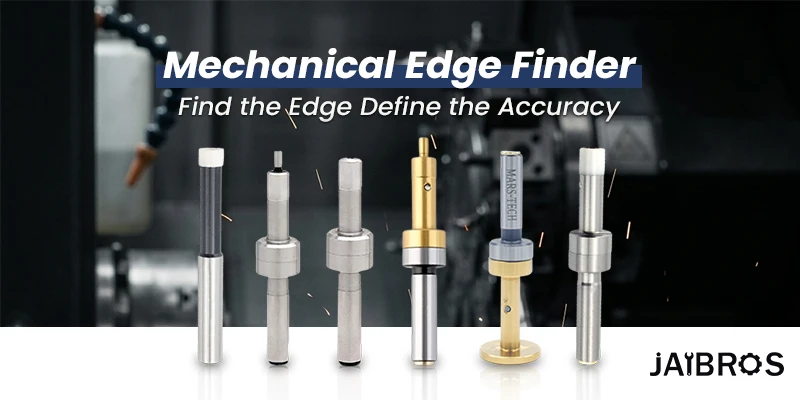
An edge finder tool is a precision alignment device used in machining to locate the exact edge of a workpiece. It is commonly used with milling machines and CNC setups where accurate positioning is required before cutting operations begin.
The tool typically consists of a cylindrical body with a spring-loaded tip that rotates when placed in the machine spindle. As the rotating tip approaches the workpiece surface, it eventually touches the edge and signals the exact point of contact.
By identifying this point, machinists can set the machine coordinates correctly. In many workshops, the edge finder tool for milling machine is considered an essential accessory for establishing accurate reference points before machining begins.
Why Accurate Alignment Is Important in Machining
In machining operations, the starting position of the cutting process directly affects the final dimensions of the component. If the cutting tool begins at the wrong location, the entire machining operation may produce inaccurate results.
The edge finder tool helps eliminate this issue by providing a reliable way to locate the exact edge of a workpiece. Once the edge position is determined, machinists can adjust the machine coordinates and ensure that the cutting tool starts from the correct reference point.
This process is particularly important in automated machining systems. A cnc machine tool operates according to programmed instructions, so the starting coordinates must be perfectly aligned for the program to work correctly.
Understanding the Working Principle
The working principle of an edge finder tool is simple but very effective. The tool contains a spring-loaded mechanism that allows the tip to shift slightly when it makes contact with the workpiece.
When the tool is placed in the spindle and rotated, the machinist slowly moves it toward the workpiece surface. As soon as the rotating tip touches the edge of the material, the spring mechanism causes the tip to move slightly out of alignment.
This visible movement indicates that the tool has reached the exact edge of the workpiece. By observing this shift, machinists can determine the precise location of the edge and adjust the machine coordinates accordingly.
After locating the edge, the machinist accounts for the radius of the tool tip and sets the correct zero position for the machine.
Steps for Using an Edge Finder Tool
Learning how to use an edge finder tool properly is important for beginners in machining. The process involves several simple steps that help ensure accurate alignment.
First, the tool is mounted in the spindle of the milling machine. The spindle is then rotated at a moderate speed to allow the tip of the tool to spin smoothly.
Next, the machinist slowly moves the tool toward the workpiece using the machine’s feed controls. As the rotating tip approaches the edge, careful observation is required to detect the moment of contact.
When the tip touches the edge of the workpiece, it shifts slightly due to the spring mechanism. This movement indicates the exact edge location.
After detecting the edge, the machinist adjusts the machine coordinates to account for the tool radius. This ensures that the cutting tool will start at the correct position during the machining process.
Following these steps allows beginners to achieve precise alignment before starting milling or drilling operations.
Using Edge Finder Tools in CNC Machining
In modern manufacturing environments, automated machining systems are widely used to produce complex components. A cnc machine tool performs tasks according to programmed instructions, making accurate setup extremely important.
Before running the CNC program, machinists must establish the machine’s zero point. The edge finder tool helps determine this reference point by locating the exact edge of the workpiece.
In many CNC setups, a cnc edge finder tool is used to make the alignment process faster and more reliable. These tools help operators quickly identify the position of the workpiece and set the coordinates correctly before machining begins.
Accurate alignment ensures that the CNC machine can perform its operations precisely without producing dimensional errors.
Applications in Milling Operations
The edge finder tool for milling machine is widely used in milling operations where precise positioning is required. Milling machines perform tasks such as slot cutting, drilling, and surface shaping.
Before performing these operations, machinists must determine the exact position of the workpiece edges. By using this alignment device, they can establish the correct reference point for the machining process.
Once the coordinates are set, the machine can perform multiple operations accurately. This helps maintain consistent quality and reduces the risk of machining errors.
Advantages of Using an Edge Finder Tool
Using an edge finder tool offers several advantages for both beginner and experienced machinists.
One major benefit is improved machining accuracy. By locating the exact edge of the workpiece, the tool ensures that cutting operations begin from the correct position.
Another advantage is reduced setup time. Instead of relying on manual measurements or guesswork, machinists can quickly determine the edge location and begin machining operations sooner.
Consistency is another important advantage. When producing multiple parts, accurate alignment ensures that each component is machined from the same reference point.
In addition, the tool helps improve overall production efficiency by minimizing errors and reducing wasted materials.
Common Mistakes Beginners Should Avoid
Beginners sometimes make mistakes when using alignment tools in machining operations. One common mistake is moving the tool too quickly toward the workpiece. This can make it difficult to observe the exact moment of contact.
Another mistake is using incorrect spindle speed. If the speed is too high or too low, the movement of the tip may not be visible.
Failing to account for the tool radius when setting machine coordinates can also lead to inaccurate results. Beginners should always remember to adjust the coordinates based on the size of the tool tip.
By practicing proper techniques and following correct procedures, machinists can avoid these mistakes and achieve accurate alignment in their machining tasks.
Improving Efficiency in CNC Tool Setup
Every cnc tool used in machining depends on accurate positioning to perform its function correctly. If the workpiece is not aligned properly, the cutting tool may remove material incorrectly or damage the component.
The edge finder tool helps prevent such issues by ensuring that the machine spindle and workpiece are perfectly aligned before machining begins.
By establishing precise reference points, machinists can improve the efficiency of CNC setups and maintain consistent quality in their machining operations.
Conclusion
Accurate alignment is one of the most important steps in machining operations. Without proper positioning, even advanced machines cannot produce precise components. The edge finder tool provides a reliable method for locating the exact edge of a workpiece and establishing accurate machine coordinates.
For beginners in machining, learning how to use this alignment device is an essential skill. By understanding its working principle and following the correct procedures, machinists can improve machining accuracy and reduce setup errors.
Whether used in manual milling machines or automated CNC systems, this tool remains an important part of modern machining practices and continues to support precision manufacturing.
FAQs
1. What is an edge finder tool used for?
An edge finder tool is used to locate the exact edge of a workpiece so machinists can set accurate machine coordinates before machining begins.
2. How does a CNC edge finder tool work?
A cnc edge finder tool rotates in the machine spindle and indicates the point of contact when it touches the workpiece edge, helping determine the correct reference position.
3. Why is an edge finder tool important in milling machines?
An edge finder tool for milling machine helps align the spindle with the workpiece and ensures accurate positioning before cutting operations start.
4. Can beginners easily use an edge finder tool?
Yes, beginners can learn to use the edge finder tool by following simple steps and practicing proper alignment techniques in machining operations.
5. What are the benefits of using an edge finder tool?
Using this tool improves machining accuracy, reduces setup time, ensures consistent production, and helps maintain proper alignment between the cutting tool and the workpiece.
About Jaibros
Jaibros is a trusted supplier of industrial cutting tools and machining accessories in India. The company offers a wide range of high-quality products designed for CNC machining, milling operations, and precision engineering applications. With a strong commitment to quality and reliability, Jaibros provides tools that help manufacturers achieve accurate machining results and improve productivity in modern industrial environments.