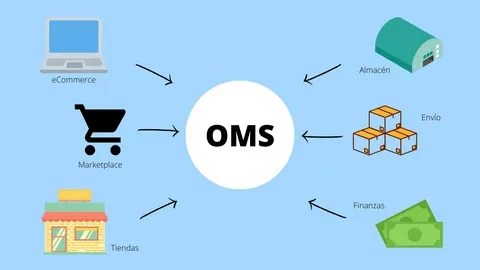
Managing sales, inventory, and deliveries efficiently is one of the biggest challenges modern businesses face. As companies expand and customer expectations grow, the complexity of managing operations increases significantly. Many organizations adopt order management software to simplify these processes and maintain better control over their operations.
With the help of an order management software, businesses can manage orders, inventory levels, and deliveries through a single centralized platform. Instead of relying on disconnected systems or manual processes, companies can streamline operations and ensure that every stage of the order lifecycle runs smoothly.
Understanding the Connection Between Sales, Inventory, and Deliveries
Sales, inventory, and deliveries are closely connected. When a customer places an order, the system must verify stock availability, process payment, allocate inventory, and arrange shipping. If any step in this chain fails, the entire process becomes inefficient.
For example, if inventory levels are not updated in real time, businesses may accidentally sell products that are no longer available. This can lead to delayed shipments and dissatisfied customers.
By integrating these processes, businesses can ensure that every order moves smoothly from purchase to delivery.
Centralized Order Processing
One of the key advantages of centralized systems is the ability to manage all orders from a single dashboard. Businesses that operate across multiple sales channels often struggle with scattered data and inconsistent tracking.
A centralized system provides:
-
Real-time order updates
-
Unified customer data
-
Automated workflows
-
Accurate reporting
This allows teams to quickly access information and respond to issues before they affect operations.
Inventory Management and Accuracy
Inventory management plays a crucial role in maintaining operational efficiency. Without accurate inventory records, businesses risk overselling products or delaying shipments due to stock shortages.
Modern tools automatically update inventory levels whenever orders are placed, shipped, or returned. This real-time synchronization ensures that businesses always have accurate stock information.
Accurate inventory data also helps companies plan better purchasing strategies and avoid unnecessary storage costs.
Improving Delivery Coordination
Delivery management is another critical component of the order process. Businesses must coordinate shipping schedules, track packages, and communicate updates to customers.
Efficient delivery management includes:
-
Automated shipping label generation
-
Carrier integration
-
Real-time delivery tracking
-
Customer notifications
These features ensure that orders are delivered on time and customers remain informed throughout the process.
Reducing Operational Bottlenecks
When businesses rely on manual processes, delays often occur due to slow communication, data entry errors, or lack of coordination between departments.
Automation eliminates many of these bottlenecks by standardizing workflows and reducing the need for manual intervention.
This leads to faster order processing and more efficient operations.
Improving Customer Satisfaction
Customers today expect quick deliveries and accurate orders. Businesses that can meet these expectations build stronger relationships with their customers.
Streamlined operations help businesses:
-
Deliver orders faster
-
Provide accurate tracking information
-
Reduce mistakes in shipments
-
Improve overall customer experience
Satisfied customers are more likely to become repeat buyers and recommend the brand to others.
Supporting Long-Term Business Growth
As businesses expand, they must handle larger order volumes and more complex logistics. A structured system ensures that operations remain efficient even as the company grows.
Scalable solutions allow businesses to add new sales channels, warehouses, or distribution partners without disrupting existing processes.
Conclusion
Streamlining sales, inventory, and deliveries is essential for businesses that want to remain competitive in today’s fast-moving marketplace. Efficient coordination between these areas ensures that orders are processed quickly and customers receive their products on time.
Implementing reliable order management software allows businesses to centralize operations, improve inventory accuracy, and optimize delivery processes. With the right order management software, companies can build a more efficient workflow that supports growth while maintaining excellent customer service.