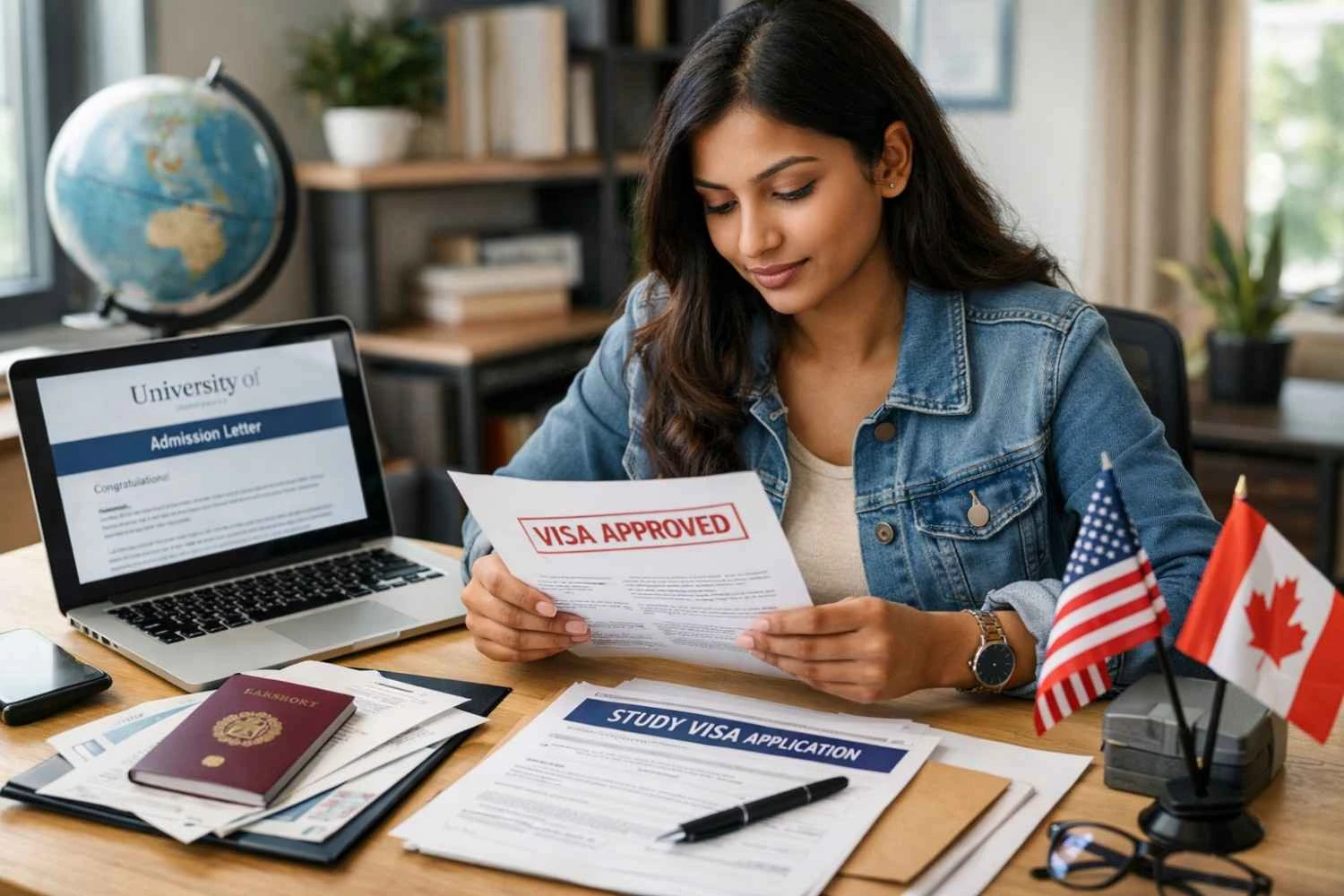
Many international students choose Poland because of its affordable education, modern universities, and opportunities in Europe. Before applying, many students also try to understand the poland student visa success rate so they can prepare their application carefully.
However, visa approval depends on many factors. Immigration authorities carefully review documents, academic background, financial proof, and the purpose of study. When any important detail is missing or unclear, the visa application may be refused. Understanding common rejection reasons can help students prepare stronger applications and avoid mistakes.
Incomplete or Incorrect Documentation
One of the most common reasons for visa refusal is incomplete documentation. Visa officers expect every document mentioned in the application checklist.
Common document issues include:
-
Missing admission letter from the university
-
Incorrect passport details
-
Incomplete visa application form
-
Missing proof of accommodation
-
Missing travel insurance
Even small mistakes such as spelling errors or unsigned forms can create problems. When documents are incomplete or inconsistent, it raises doubts about the accuracy of the application.
Students should carefully review each document before submitting their visa file.
Insufficient Financial Proof
Financial stability is another important requirement for a student visa. Applicants must show that they can pay tuition fees and living expenses while studying in Poland.
Typical financial documents may include:
-
Bank statements
-
Sponsor letters
-
Proof of paid tuition fees
-
Scholarship letters (if applicable)
If the bank balance is too low or documents do not clearly show financial support, the visa officer may question whether the student can support themselves during their studies.
Clear and genuine financial documents help build trust during the visa assessment process.
Weak Statement of Purpose
A statement of purpose explains why a student wants to study in Poland and how the chosen program supports their academic goals.
Many visa rejections happen when the statement of purpose is:
-
Too short or unclear
-
Copied from online templates
-
Not connected to the student’s previous education
-
Lacking future study or career plans
Visa officers want to understand the student's real study intentions. When the explanation is weak or unclear, it may create doubts about the applicant’s purpose.
Students should write their statement in simple and honest language, clearly explaining their academic plans.
Unclear Study Plan
Another factor that may affect visa decisions is an unclear study plan. Students should be able to explain:
-
Why they selected Poland
-
Why they selected a specific university
-
How the program relates to their previous education
If the study program is very different from the student’s previous academic background, the visa officer may ask for more explanation.
For example, a student with a commerce background suddenly choosing a technical program without explanation can create confusion during visa assessment.
Providing a logical academic path helps strengthen the application.
Low Academic Performance
Academic history also plays an important role in student visa decisions.
Students with very low grades or multiple academic gaps may face additional questions during the visa review process.
This does not mean students with average grades cannot study abroad. However, they should clearly explain their academic journey, any gaps, and their motivation to continue higher education.
Supporting documents such as certificates, internships, or relevant experience can help demonstrate genuine interest in the chosen field.
Language Requirement Issues
Many universities in Poland require proof of English language proficiency.
Common tests include:
-
IELTS
-
PTE
-
TOEFL
If the language score does not meet the university or visa requirements, it may affect the application. Some students also submit expired test results or incorrect score reports, which can lead to visa complications.
Applicants should make sure their test results meet the university requirements before applying for the visa.
Lack of Genuine Study Intent
Visa officers evaluate whether the student has a genuine intention to study.
Applications may face issues when:
-
The student cannot clearly explain their course choice
-
Documents appear inconsistent
-
The application looks poorly prepared
A clear academic goal, proper documents, and honest explanations can help show genuine study intentions.
Students should prepare their application carefully so the visa officer can easily understand their plans.
Errors in Visa Application Form
The visa application form is an important document. Small mistakes in the form can lead to delays or rejection.
Common mistakes include:
-
Incorrect personal information
-
Wrong passport numbers
-
Incomplete travel details
-
Missing signatures
Students should review every field before submitting the application. Double checking the form helps avoid unnecessary problems.
Importance of Careful Preparation
Preparing a student visa application requires attention to detail. Every document, academic record, and financial proof should clearly support the student’s study plan.
Students who research the process carefully and prepare accurate documents usually have a smoother visa experience. Understanding common mistakes also helps applicants improve their preparation.
When students plan their applications carefully and submit clear documents, it helps improve the poland student visa success rate and reduces the chances of rejection.