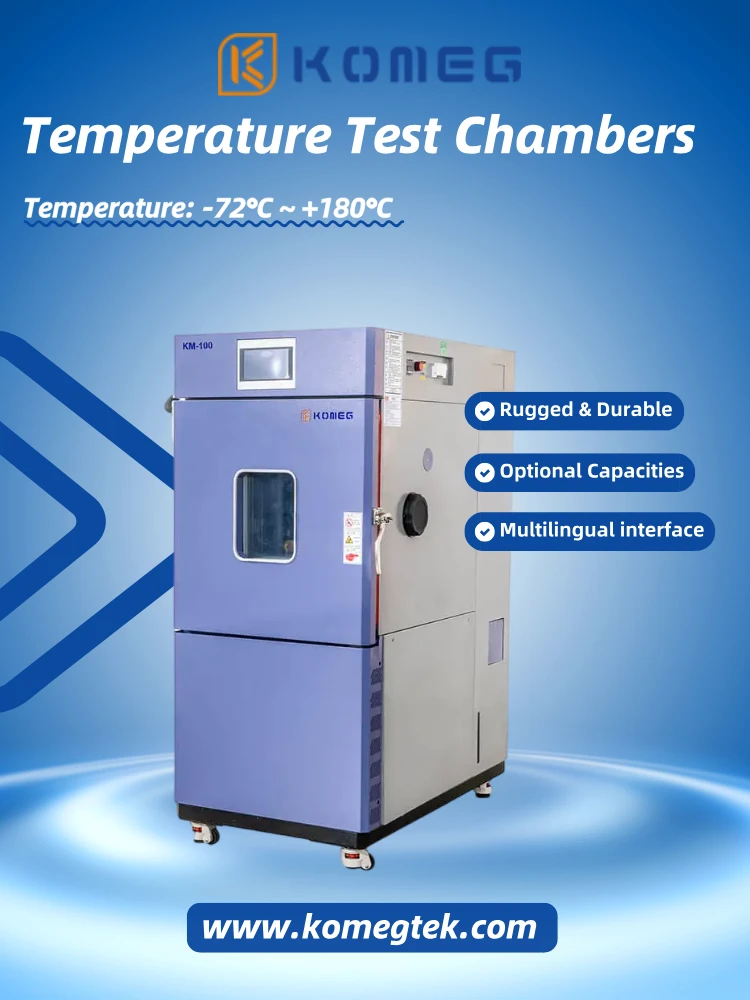
Installing an environmental test chamber correctly is critical to ensuring its long-term stable operation, accurate test results, and extended service life. Whether you are a laboratory technician, quality control professional, or procurement manager, understanding the key steps and precautions of environmental test chamber installation can help you avoid costly mistakes, reduce downtime, and maximize the value of your equipment. This comprehensive guide covers all essential aspects of environmental test chamber installation, from pre-installation preparation to post-installation inspection, designed to provide practical guidance for users in industries such as electronics, automotive, aerospace, and military.
Before starting the installation process, thorough pre-installation preparation is the foundation of successful installation. Many users overlook this step and focus only on equipment performance during procurement, which often leads to unexpected problems such as insufficient space, mismatched power supply, or inadequate drainage. To avoid such issues, we recommend verifying seven key factors before purchasing an environmental test chamber, as these factors directly determine the smoothness of the installation process and the subsequent operation of the equipment.
First and foremost, check the installation space. An environmental test chamber, though not overly large in size, requires sufficient surrounding clearance to ensure optimal performance and convenient maintenance. The clearance around the chamber should be enough to allow the door to open freely without hitting walls or other equipment, and to provide easy access for operators to load and unload test samples. For air-cooled condensing models, in particular, it is crucial to reserve adequate space at the back of the unit to ensure unobstructed air circulation, which is essential for effective heat dissipation. Insufficient ventilation can lead to overheating, reduced cooling efficiency, and even equipment failure over time.
Second, pay close attention to transportation and on-site access. Before the equipment arrives, measure the dimensions of doorways, corridors, elevators, and the installation area to ensure the chamber can be transported smoothly. Obstacles such as narrow passages, low ceilings, or sharp corners can delay transportation and even cause damage to the equipment. It is also recommended to coordinate with the logistics team and installation technicians in advance to formulate a detailed transportation plan, ensuring the equipment is moved safely to its final installation location without any scratches or structural damage.
Third, confirm the drainage conditions. Many environmental test chambers, especially those with humidification or condensation functions, generate condensate water during operation. Some models are equipped with a recycling system for clean condensate, but when testing contaminated samples, the water will contain impurities and must be drained promptly. A smooth drainage system is essential to prevent water accumulation, which can cause corrosion, mold growth, or short circuits in the equipment. We do not recommend using water traps, as they are prone to clogging. If there is no fixed floor drain near the installation site, a container can be used to collect the condensate water for regular disposal.
Fourth, control the ambient temperature of the installation environment. The performance parameters of environmental test chambers are calibrated under standard ambient temperature conditions. If the laboratory temperature is too high, it will directly affect the equipment’s refrigeration capacity, heating efficiency, and ability to reach the nominal test parameters. This is especially important when multiple test chambers are installed in the same room, as the heat generated by each unit will accumulate and raise the ambient temperature. To address this, ensure the installation area is well-ventilated, follow the space reservation requirements, and consider installing an air conditioning system if necessary to maintain a stable ambient temperature.
Fifth, verify the power supply system. Environmental test chambers come in various models with different power requirements, including single-phase and three-phase power supplies. High-performance or large-size chambers often require a higher current, which may need a dedicated power line and specific plugs. Before installation, check the technical documentation to confirm the voltage, current, and plug specifications required by the equipment. In most cases, the power cable is pre-wired to the control panel terminals at the factory; if no plug is provided, it must be installed according to the specified standards to avoid electrical hazards and equipment malfunctions.
Sixth, handle the water connection for the humidification system correctly. The humidification system of an environmental test chamber requires clean water to ensure accurate humidity control and prevent scale buildup. Depending on the equipment configuration, the water supply can be connected to tap water (if a built-in water softener is available), a deionized water pipeline, or a built-in water tank that requires manual refilling with deionized water. Regardless of the method, strictly follow the water quality requirements specified in the supplier’s technical documentation, as impure water can damage the humidifier, block pipelines, and affect test accuracy.
Seventh, for water-cooled condensing models, ensure a stable water supply. Water-cooled environmental test chambers rely on a continuous and stable water source to cool the condenser. Before installation, confirm that the installation site has a reliable water supply and that the water pressure, water temperature, and water quality meet the supplier’s requirements. Improper water supply can lead to poor cooling performance, overheating, and damage to the condenser, so it is essential to verify these parameters in advance.
After completing the installation, a comprehensive post-installation inspection is necessary to ensure the equipment is functioning properly. Check all connections, including power, water, and drainage, to ensure there are no leaks or loose connections. Turn on the equipment and run a test cycle to verify that the temperature, humidity, and other parameters can reach the set values stably. Also, check the operation of the chamber door, fans, and control panel to ensure all components are working normally. If any abnormalities are found, contact the supplier’s technical support team immediately for troubleshooting.
In conclusion, proper installation of an environmental test chamber is a key step in ensuring its reliable operation and accurate test results. By following the guidelines outlined in this article—from pre-installation preparation to post-installation inspection—you can avoid common installation mistakes, extend the equipment’s service life, and ensure it meets your testing needs. Whether you are installing an air-cooled or water-cooled chamber, a small benchtop model, or a large industrial unit, these principles apply to all types of environmental test chambers. For more personalized guidance, consult your equipment supplier or professional installation technician.

How to Install an Environmental Test Chamber Correctly: A Complete Practical Guide