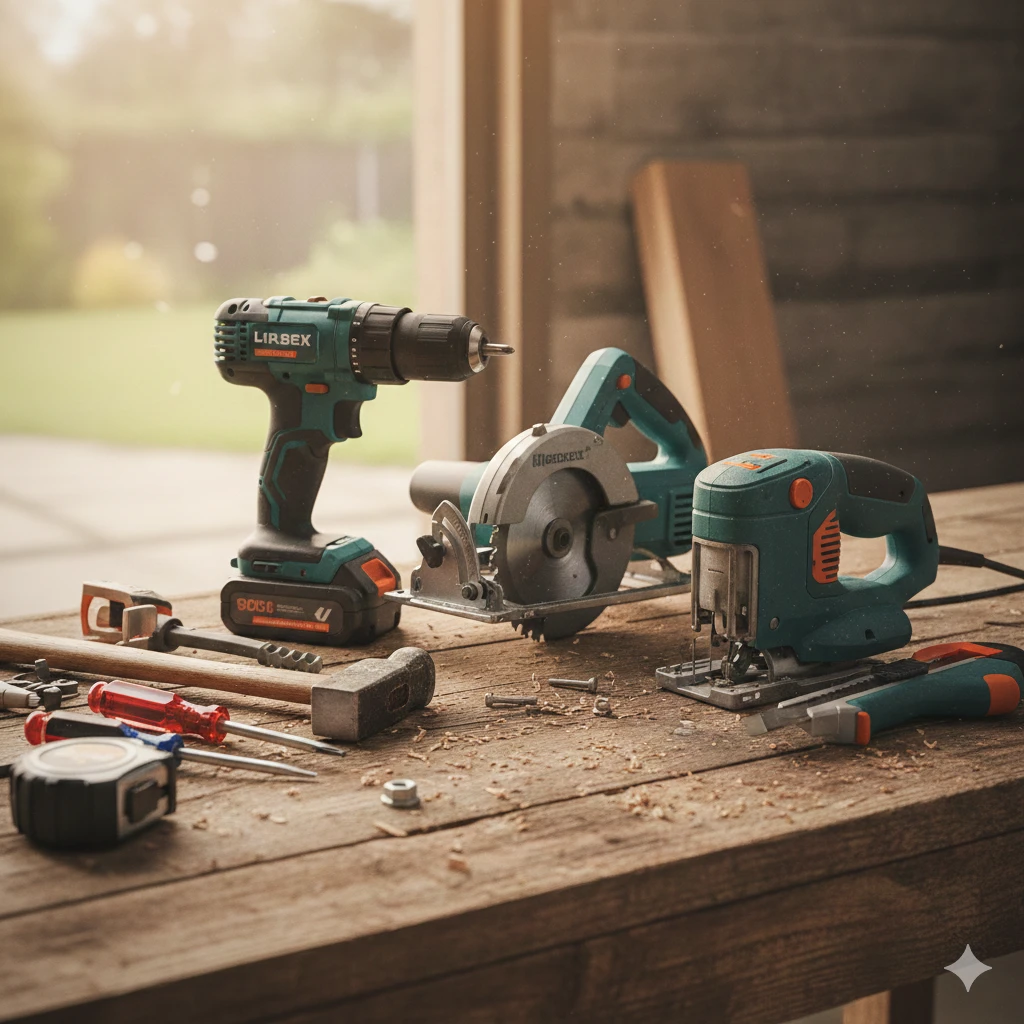
Construction and repair projects depend heavily on the tools used to complete tasks. Whether working on professional building projects or simple home repairs, the right equipment helps ensure accuracy, safety, and efficiency. Proper tools make it easier to handle materials, complete tasks faster, and achieve better results.
One of the most important categories of equipment used in construction and maintenance is hand and power tools. These tools help perform tasks such as cutting, drilling, fastening, shaping, and assembling materials. Hand tools rely on manual effort and provide greater control for precise tasks, while power tools use electricity or batteries to perform work faster and with less physical effort.
The Importance of Using the Right Tools
Using the correct tools for each task plays a major role in the success of construction and repair work. Proper tools help workers perform tasks accurately and reduce the chances of damaging materials during the process.
The right equipment also improves productivity. Workers can complete tasks more quickly and efficiently when they have tools specifically designed for the job. This is especially important in projects where time and precision are critical.
Another advantage of using proper tools is reduced physical strain. Equipment designed for specific tasks helps minimize fatigue during long work sessions.
What Are Hand Tools?
Hand tools are tools that operate without external power sources. They rely entirely on manual effort and are commonly used in construction, carpentry, mechanical work, and general repairs.
Common examples of hand tools include:
-
Hammers
-
Screwdrivers
-
Pliers
-
Wrenches
-
Chisels
-
Hand saws
These tools are especially useful for tasks that require precision and careful control. For example, tightening bolts, driving nails, or making small adjustments often requires the accuracy that manual tools provide.
Hand tools are also portable and easy to maintain, making them practical for both professionals and homeowners.
What Are Power Tools?
Power tools operate using electricity, rechargeable batteries, or compressed air. These tools are designed to perform tasks more quickly and with greater force than manual tools.
Examples of common power tools include:
-
Electric drills
-
Circular saws
-
Sanders
-
Grinders
-
Impact drivers
-
Nail guns
Power tools are particularly useful for tasks that involve repetitive work or heavy materials. For instance, drilling multiple holes or cutting thick materials can be completed much faster with powered equipment.
Because of their efficiency, power tools are widely used in construction sites, workshops, and manufacturing environments.
Differences Between Hand and Power Tools
Although both types of tools serve similar purposes, they differ in several important ways.
Power Source
Hand tools rely on human effort to operate, while power tools use electricity or batteries.
Speed and Efficiency
Power tools can perform tasks much faster due to their motorized operation. Hand tools are slower but allow greater control in delicate tasks.
Precision
Manual tools are often preferred for tasks requiring careful adjustments and fine detail.
Maintenance
Hand tools typically require simple maintenance such as cleaning or sharpening. Power tools may require additional care such as battery replacement or motor inspection.
Understanding these differences helps workers choose the most appropriate tool for each task.
Advantages of Using the Right Tools
Using suitable tools provides several benefits in construction and repair work.
One major advantage is improved productivity. Power tools allow workers to complete tasks faster, especially when handling large projects.
Another advantage is improved accuracy. Proper tools help ensure that cuts, holes, and fittings are completed with precision.
Tools also reduce physical strain by making tasks easier to perform, which is particularly helpful during extended work sessions.
These benefits highlight the importance of selecting appropriate equipment.
Safety Considerations When Using Tools
Although tools make work easier, they must be used carefully to avoid injuries.
Workers should inspect tools before use to ensure they are in good condition. Damaged tools should be repaired or replaced immediately.
Protective equipment such as gloves, safety glasses, and proper footwear should be worn when working with tools. Maintaining a clean workspace also helps reduce accidents.
Following safety practices helps ensure that tools are used effectively without compromising worker safety.
Choosing Reliable Tool Suppliers
Access to reliable tools is important for both professionals and homeowners. High-quality tools provide better performance and tend to last longer under regular use.
Many people prefer suppliers that offer a variety of equipment designed for different tasks. Reliable suppliers help ensure that customers can find tools suited for construction, repair, and maintenance projects.
Businesses such as Milwaukee Tools Outlet provide tools used in construction, woodworking, and repair work.
Common Mistakes to Avoid
Several mistakes can reduce the effectiveness of tools and lead to poor results.
One common mistake is using the wrong tool for a specific task. This can damage materials and increase the risk of accidents.
Another issue is neglecting tool maintenance. Dirty or worn tools may not perform properly and can become unsafe.
Improper storage can also shorten the lifespan of tools. Keeping tools clean and stored in dry conditions helps maintain their performance.
Conclusion
Tools play a vital role in construction, repair, and maintenance work. From simple home improvement projects to large professional jobs, the right equipment improves efficiency and accuracy.
Understanding how hand and power tools function helps workers select the best equipment for each task. With proper maintenance and safe handling, these tools help deliver reliable results across a wide range of projects.