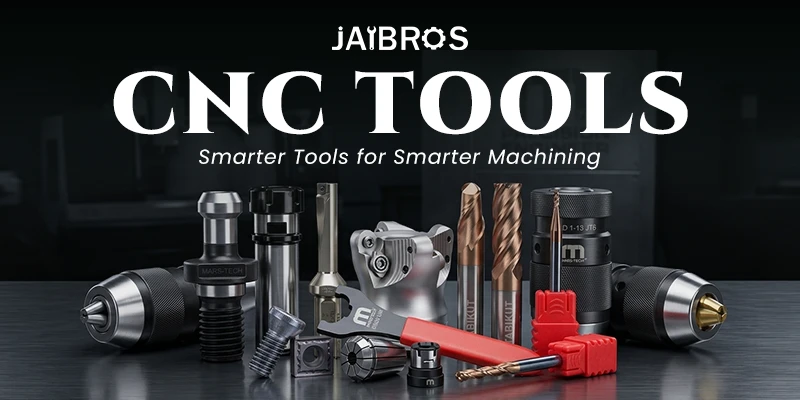
Explore CNC tool advancements improving precision engineering with smart machining, durable materials, and high-performance tooling solutions.
CNC Tool Advancements Supporting Precision Engineering
Precision engineering is the backbone of modern manufacturing. Industries such as aerospace, automotive, electronics, medical devices, and heavy machinery depend on highly accurate components produced with extremely tight tolerances. Achieving such precision requires advanced machining technology and reliable tooling systems.
One of the most important elements in precision machining is the quality and capability of CNC tools used during manufacturing. Over the years, tooling technology has evolved significantly to meet the growing demands for accuracy, speed, and efficiency. Modern machining environments require tools that can operate at higher cutting speeds, maintain stability under extreme conditions, and deliver consistent results throughout production cycles.
The Importance of Tooling in Precision Engineering
Precision engineering focuses on creating components with extremely accurate dimensions and superior surface finishes. Even a slight deviation in measurements can lead to performance issues or product failure in critical applications.
High-quality CNC tools ensure that machining operations remain stable and precise. These tools are engineered with optimised geometries and advanced coatings that allow them to cut materials smoothly while minimising vibration and heat generation.
The effectiveness of machining operations depends heavily on selecting the right tooling solution for the task. By using advanced tooling systems, manufacturers can produce complex components with greater accuracy and reliability.
Advancements in Tool Materials
One of the most significant developments in machining technology has been the improvement of tool materials. Traditional high-speed steel tools are gradually being replaced by advanced materials such as carbide, ceramics, and coated alloys.
These materials offer superior hardness, heat resistance, and wear resistance. As a result, CNC tools can maintain sharp cutting edges even during high-speed machining operations.
Carbide-based tools are especially popular in precision engineering because they provide excellent durability and cutting performance. These materials allow manufacturers to work with hard metals and advanced alloys without compromising machining accuracy.
Advanced Tool Coatings for Better Performance
Tool coatings have also played an important role in improving machining performance. Modern coatings reduce friction between the tool and the workpiece, which helps control heat generation during cutting operations.
Reduced friction improves cutting efficiency and extends tool life. Coated tools can operate at higher speeds while maintaining stability and precision.
Some advanced coatings also enhance corrosion resistance and reduce material adhesion. These features are particularly useful when machining difficult materials such as stainless steel, titanium, and high-temperature alloys.
By integrating advanced coatings, manufacturers can significantly improve machining consistency and reduce operational costs.
Compatibility with Various CNC Machines
Modern manufacturing facilities utilize multiple types of CNC machine tool systems depending on the application. These machines include CNC milling machines, turning centres, drilling machines, and multi-axis machining centers.
Advanced tooling solutions are designed to work efficiently across these different machining platforms. Whether performing milling operations or precision drilling, high-performance tools ensure stable cutting conditions and improved accuracy.
The compatibility of tooling systems with different machines allows manufacturers to maintain consistent production quality across multiple machining processes.
Role of Automation in Precision Machining
Automation is becoming a standard feature in modern manufacturing facilities. Automated tool changers, robotic systems, and smart machining centers allow production lines to operate continuously with minimal human intervention.
To support automated environments, CNC must deliver consistent performance over long production cycles. Advanced tooling designs ensure reliable cutting even during high-speed and high-volume manufacturing operations.
Automation also allows machines to monitor tool performance in real time. This helps manufacturers detect wear patterns early and replace tools before they affect product quality.
Smart Monitoring and Predictive Maintenance
Another major advancement in precision engineering is the integration of smart monitoring technologies. Sensors installed in machining systems collect real-time data related to vibration, temperature, and cutting forces.
This information helps manufacturers evaluate CNC performance and identify potential issues before they cause production interruptions.
Predictive maintenance strategies allow manufacturers to schedule tool replacements at the right time. This reduces unexpected machine downtime and ensures consistent machining accuracy.
Digital Transformation in Tool Procurement
Digital technology has also changed the way manufacturers purchase machining tools. Instead of relying solely on traditional suppliers, businesses now explore tools online platforms to compare products and evaluate technical specifications.
Online sourcing provides manufacturers with access to a wide range of tooling solutions and enables them to make informed purchasing decisions.
In addition, companies searching for local suppliers often use terms like CNC tools near me to identify vendors who can provide quick delivery and technical support.
The combination of digital procurement and global supply networks has made advanced tooling solutions more accessible than ever before.
Choosing the Right Tools for Precision Applications
Selecting the correct tooling solution is essential for achieving optimal machining performance. Several factors must be considered when choosing machining tools, including material type, cutting speed, machine capability, and production volume.
Manufacturers often evaluate multiple options before investing in the best tools for their operations. High-performance tools designed for specific applications can significantly improve machining efficiency and product quality.
Working with experienced tooling suppliers also helps businesses identify the most suitable solutions for their production requirements.
Sustainability and Efficient Machining
Sustainability has become an important priority for modern manufacturers. Efficient machining practices not only reduce operational costs but also minimize environmental impact.
High-quality CNC contribute to sustainability by improving cutting efficiency and reducing scrap rates. Durable tools require fewer replacements, which helps conserve resources and reduce waste.
By adopting advanced tooling solutions and efficient machining strategies, manufacturers can achieve both economic and environmental benefits.
The Future of Precision Engineering
The future of precision engineering will be driven by continued innovation in automation, artificial intelligence, and digital manufacturing technologies.
Smart factories will rely on integrated systems that connect machines, tools, and data platforms to optimise production processes. Advanced tooling systems will play a critical role in ensuring machining accuracy and efficiency within these intelligent manufacturing environments.
As technology continues to evolve, manufacturers must stay updated with the latest machining trends and invest in high-performance tooling solutions that support precision engineering.
Conclusion
Advancements in tooling technology have significantly improved the capabilities of modern machining systems. From advanced materials and coatings to automation and digital monitoring, modern tools play a vital role in supporting precision engineering across multiple industries.
Across various types of CNC machine environments, high-performance tooling solutions help manufacturers achieve superior accuracy, improved productivity, and reduced operational costs. Whether sourcing tools through CNC tools online platforms or searching locally with CNC tools near me, selecting reliable and durable tooling systems remains essential for manufacturing success.
Investing in the best tools ensures long-term efficiency and consistent product quality.
At Jaibros, we are committed to delivering high-quality tooling solutions designed to meet the evolving needs of modern manufacturing. With a strong focus on innovation, precision, and durability, Jaibros helps manufacturers achieve exceptional machining performance and long-term industrial growth.
FAQs
1. What are CNC tools used for in manufacturing?
CNC tools are used in machining operations to cut, shape, drill, and finish materials with high precision using computer-controlled machines.
2. How do advanced tools improve precision engineering?
Advanced tools provide better cutting performance, reduce vibration, and maintain consistent accuracy during machining operations.
3. Why are tool coatings important in machining?
Tool coatings reduce friction, improve heat resistance, and extend tool life, allowing machines to operate more efficiently.
4. How can manufacturers find reliable tooling suppliers?
Manufacturers can explore online platforms, evaluate technical specifications, and consult trusted suppliers before purchasing machining tools.
5. What factors should be considered when selecting machining tools?
Material type, machining speed, machine compatibility, and production requirements should all be considered when selecting tooling solutions.