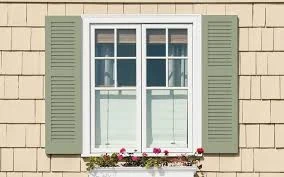
Outdoor window shutters are more than just a decorative addition to your home—they provide protection, enhance energy efficiency, and dramatically improve curb appeal. Whether you're building a new home or upgrading an existing property, understanding the types, materials, and benefits of outdoor shutters is essential for making the right choice.
What Are Outdoor Window Shutters?
Outdoor window shutters are hinged panels mounted on the exterior of windows. They can be functional or purely decorative, depending on your needs. Traditionally, shutters offered protection from the elements and provided privacy, but modern designs also focus heavily on aesthetics.
Key Benefits of Outdoor Shutters
-
Enhanced Curb Appeal
A well-chosen shutter can transform the exterior of your home, adding character, charm, and a polished look. Whether you prefer classic plantation shutters or rustic board-and-batten styles, shutters complement a wide range of architectural designs. -
Increased Privacy and Security
Outdoor shutters can block direct views into your home and serve as an added layer of security, making it harder for intruders to access windows. -
Weather Protection
Shutters protect windows from harsh sunlight, heavy rain, hail, and strong winds. In storm-prone areas, storm shutters can prevent significant damage to your windows. -
Energy Efficiency
By controlling the amount of sunlight entering your home, shutters can help maintain indoor temperatures. This reduces reliance on air conditioning in the summer and heating in the winter, lowering energy bills.
Popular Types of Outdoor Shutters
-
Board-and-Batten Shutters
Classic and rustic, these shutters consist of vertical boards held together by horizontal battens. They work well with country-style homes and cottages. -
Raised Panel Shutters
Featuring rectangular panels, these shutters provide a traditional and sophisticated look. They suit colonial, Georgian, and Victorian-style homes. -
Louvered Shutters
Louvered shutters have horizontal slats that allow light and air to pass through, even when closed. They are ideal for tropical climates or coastal homes. -
Cafe-Style Shutters
These cover only the lower portion of windows, maintaining privacy while still letting in natural light. They’re often seen in modern bistros and urban homes.
Materials Used for Outdoor Shutters
-
Wood
Wood offers a timeless, natural look and can be painted or stained in a variety of colors. However, it requires regular maintenance to prevent warping or rotting. -
Vinyl
Vinyl shutters are low-maintenance, resistant to moisture, and available in various styles and finishes. They are perfect for humid or coastal climates. -
Composite Materials
Made from engineered wood or PVC blends, composite shutters provide durability and mimic the appearance of natural wood without extensive upkeep. -
Aluminium
Lightweight and rust-resistant, aluminium shutters are highly durable and often used for modern homes or storm-resistant designs.
Choosing the Right Shutters for Your Home
-
Consider Your Climate: Wooden shutters may be ideal for dry regions, while vinyl or aluminium shutters perform better in wet or coastal areas.
-
Match Your Style: Ensure the shutter style complements your home’s architecture. Raised panels suit traditional homes, while louvered shutters work well with coastal designs.
-
Decide Functionality: Determine if you want purely decorative shutters or functional ones that open, close, and provide protection.
-
Maintenance Needs: Some materials require regular painting or sealing, while others are virtually maintenance-free.
Installation Tips
-
Ensure shutters are mounted securely with weather-resistant hinges and fasteners.
-
For functional shutters, measure windows accurately to allow proper opening and closing.
-
Consider professional installation for larger homes or heavy shutters to ensure safety and longevity.
Final Thoughts
Outdoor window shutters are a smart investment, combining aesthetics, functionality, and long-term value. By choosing the right style, material, and installation method, you can protect your windows, save on energy costs, and enhance the beauty of your home for years to come.