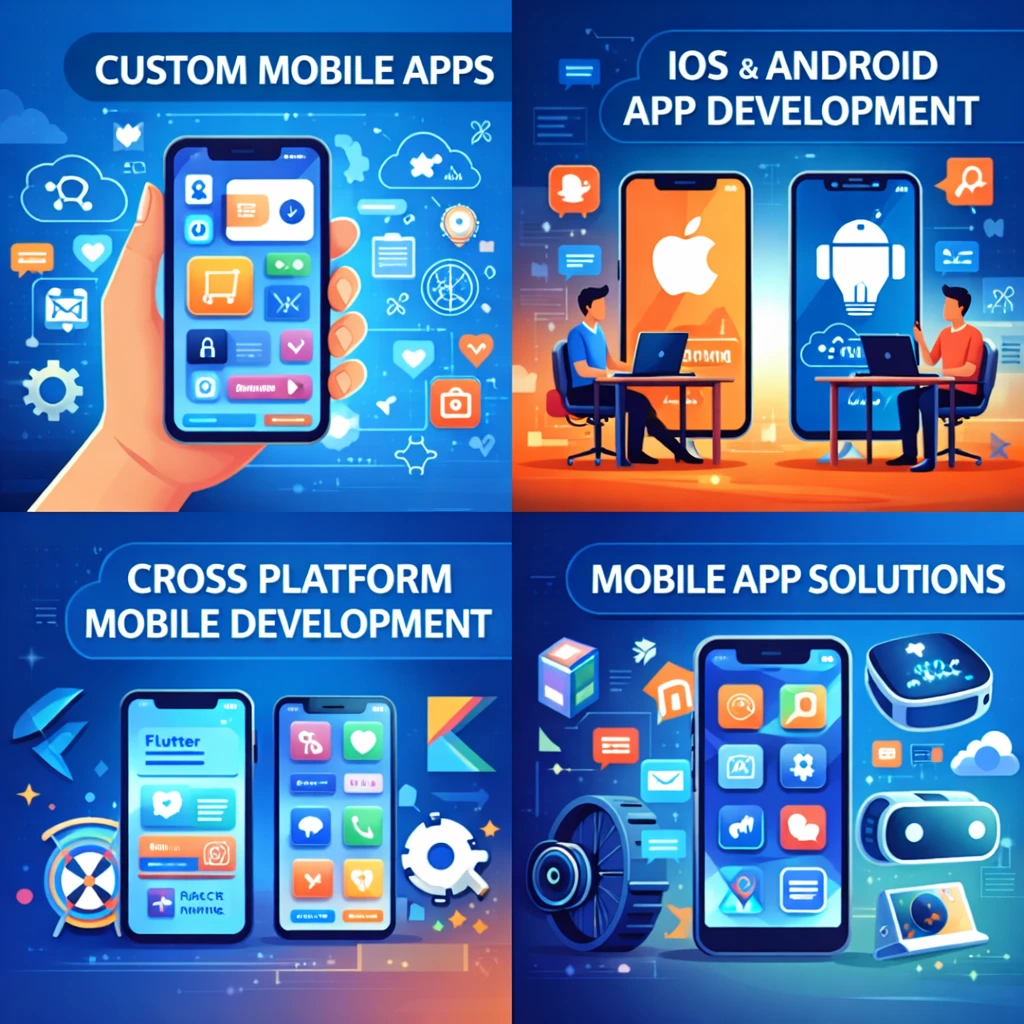
Mobile applications have become essential infrastructure for modern digital healthcare and connected platforms. From patient engagement tools and wearable health monitoring to genomics data access and remote diagnostics, mobile apps are transforming how healthcare organizations interact with users, clinicians, and data.
However, building reliable mobile systems for healthcare requires more than just an attractive interface. Security, performance, compliance, and long-term scalability all play critical roles.
This is why many organizations partner with a Flutter app development company that specializes in building secure, scalable mobile systems for both iOS and Android environments.
By leveraging cross-platform technologies such as Flutter along with robust backend integrations, businesses can launch high-performing apps faster while maintaining enterprise-grade reliability.
Why Mobile Apps Are Critical for Healthcare and Life Sciences
Healthcare platforms increasingly rely on mobile applications to deliver real-time insights, improve patient engagement, and extend digital services beyond traditional clinical environments.
Mobile apps today support a wide range of healthcare use cases including:
• patient engagement and remote care platforms
• wearable device integration and health tracking
• genomic data access for clinicians and researchers
• connected IoT health monitoring systems
• telehealth and virtual consultation applications
As healthcare systems become more data-driven, organizations need reliable mobile platforms that can securely connect users with complex backend systems.
This has increased demand for cross-platform healthcare app development that ensures consistent experiences across both iOS and Android devices.
Why Flutter Is Transforming Mobile App Development
Flutter has quickly become one of the most widely adopted frameworks for modern mobile app development.
Using a single codebase for both iOS and Android, Flutter enables development teams to build applications faster while reducing maintenance costs.
For businesses working with a Flutter app development company, the benefits include:
Faster Development Cycles
Flutter’s hot reload functionality allows developers to see updates instantly during development. This speeds up iteration cycles and reduces time-to-market.
Cross-Platform Consistency
A shared codebase ensures that applications behave consistently across devices while simplifying long-term maintenance.
Native-Like Performance
Flutter delivers smooth animations, fast rendering, and responsive interfaces that match native mobile experiences.
Flexible UI Customization
Flutter’s widget-based architecture allows teams to build highly customized user interfaces without sacrificing performance.
HIPAA Compliant Mobile App Development for Healthcare
Healthcare mobile applications must meet strict regulatory requirements to ensure patient data security.
Organizations building digital health platforms often require HIPAA compliant mobile app development to protect sensitive health information and maintain regulatory compliance.
Secure healthcare mobile systems typically include:
• encrypted data storage and secure communication protocols
• role-based access control and authentication systems
• secure backend integrations with clinical systems
• audit logging and compliance monitoring
Implementing security from the start helps ensure that mobile platforms can operate safely in regulated healthcare environments.
Cross Platform Healthcare App Development at Scale
Healthcare organizations often serve diverse user groups including patients, clinicians, researchers, and administrators.
Delivering a consistent mobile experience across different devices requires scalable architecture and reliable performance.
Through cross-platform healthcare app development, organizations can build applications that support:
• telehealth and remote monitoring
• patient engagement and care coordination
• mobile access to medical data and reports
• healthcare analytics dashboards
Flutter enables teams to deliver these capabilities while maintaining a unified development process across platforms.
Wearable Health App Development and Connected Devices
Wearable devices have become an important part of modern healthcare ecosystems.
Fitness trackers, smart watches, and medical monitoring devices generate continuous streams of health data that can help improve patient outcomes.
A wearable health app development company can build applications that connect mobile platforms with wearable devices to deliver real-time insights.
These solutions often include:
• activity and health monitoring dashboards
• biometric data tracking
• patient wellness insights
• alerts and health notifications
Wearable integrations allow healthcare providers and users to track health trends and respond proactively.
IoT Health Monitoring App Development
The rise of connected healthcare devices has created new opportunities for IoT health monitoring app development.
IoT-enabled mobile applications allow healthcare systems to collect and analyze data from connected devices such as:
• remote patient monitoring equipment
• smart medical devices
• home health monitoring systems
• connected wellness devices
These platforms help healthcare providers monitor patient health remotely while enabling proactive care management.
Mobile Apps for Clinical Genomics Platforms
As genomics becomes more integrated into healthcare workflows, mobile applications are increasingly used to deliver genomic insights to clinicians and researchers.
Organizations building genomics platforms often require mobile app development for clinical genomics that integrates with bioinformatics pipelines and genomic databases.
These mobile systems can support:
• access to genomic reports and patient data
• clinical decision support tools
• collaboration between researchers and clinicians
• secure genomic data visualization
Mobile apps allow genomic insights to be accessed anywhere while maintaining strict security and compliance standards.
Patient Engagement Mobile App Development
Patient engagement platforms are transforming how healthcare organizations communicate with patients and deliver care services.
Through patient engagement mobile app development, healthcare providers can build mobile solutions that improve communication and support better health outcomes.
These applications may include:
• appointment scheduling and reminders
• medication tracking and alerts
• secure messaging with healthcare providers
• personalized health insights and recommendations
By improving accessibility and communication, patient engagement apps help healthcare systems deliver more personalized and proactive care.
Engineering Mobile Systems That Scale
While users see polished mobile interfaces, the reliability of an app depends on the underlying system architecture.
Production-ready mobile platforms require careful engineering to ensure they perform consistently across different devices and environments.
Scalable mobile systems typically include:
Performance-Focused Engineering
Optimized rendering, efficient memory management, and fast startup times ensure smooth user experiences.
Secure Backend Integration
Reliable APIs, secure data handling, and real-time synchronization allow mobile apps to integrate with complex backend systems.
Scalable Architecture
Modular code structures and maintainable state management ensure that mobile apps can evolve as business requirements change.
Production-Grade Development Practices
Testing frameworks, CI/CD pipelines, and rigorous code reviews help maintain quality and reliability throughout the development lifecycle.
Choosing the Right Flutter App Development Partner
Building high-quality mobile applications requires more than just development expertise. It requires a strategic approach to architecture, security, and scalability.
Organizations working with an experienced Flutter app development company benefit from:
• faster development cycles
• lower long-term maintenance costs
• consistent cross-platform performance
• scalable architecture for future growth
For healthcare and life sciences platforms in particular, choosing a development partner that understands compliance, security, and data integration is essential.
The Future of Healthcare Mobile Applications
Mobile technology will continue to play a critical role in the evolution of digital healthcare.
From connected wearable ecosystems and IoT health monitoring systems to genomics platforms and AI-driven patient engagement tools, mobile apps are becoming the gateway through which users interact with healthcare data.
Organizations investing in cross-platform healthcare app development today are positioning themselves to deliver more accessible, scalable, and intelligent healthcare experiences in the future.
By combining secure mobile architecture, Flutter-based development, and deep integration with healthcare systems, businesses can build mobile platforms that support innovation while maintaining trust and reliability.