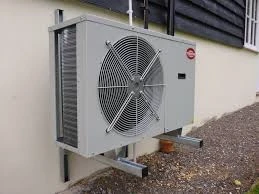
Residential ventilation Dorset is a critical aspect of maintaining a healthy, comfortable, and energy-efficient home. Whether you live in a modern townhouse in Dorchester or a historic cottage in Poole, proper ventilation is essential to prevent indoor air pollution, reduce moisture build-up, and improve overall air quality for you and your family.
Why Residential Ventilation Matters
Proper ventilation helps remove pollutants such as dust, pollen, pet dander, and volatile organic compounds (VOCs) that accumulate indoors. In areas like Dorset, where humidity levels can vary seasonally, effective ventilation also prevents the growth of mold and mildew, which can damage your property and affect your health. Additionally, ventilated homes maintain a more consistent indoor temperature, reducing the strain on heating and cooling systems.
Types of Residential Ventilation Systems
-
Natural Ventilation – Utilizes windows, vents, and airflow paths to circulate fresh air naturally. Ideal for older homes with good airflow, but less effective in tightly sealed modern properties.
-
Mechanical Ventilation – Employs fans and ducts to actively move air in and out of your home. Options include:
-
Exhaust Ventilation – Removes stale air from kitchens, bathrooms, or utility rooms.
-
Supply Ventilation – Pushes fresh air into the home while slightly pressurizing it.
-
Balanced Ventilation – Combines both supply and exhaust systems for consistent airflow, often paired with heat recovery units to conserve energy.
-
-
Whole-House Ventilation – Comprehensive systems designed for continuous air exchange, ensuring every room benefits from clean, fresh air.
Benefits of Proper Residential Ventilation
-
Improved Air Quality: Reduces indoor pollutants and allergens, leading to better respiratory health.
-
Moisture Control: Prevents condensation, dampness, and mold growth, protecting your home’s structure.
-
Energy Efficiency: Modern systems like heat recovery ventilation (HRV) reduce energy costs while maintaining comfort.
-
Odor Reduction: Keeps your home smelling fresh by removing cooking smells, pet odors, and mustiness.
Choosing the Right Ventilation for Your Dorset Home
When selecting a ventilation system in Dorset, consider:
-
Home Size and Layout: Larger homes may benefit from whole-house or balanced systems, while smaller properties can rely on localized exhaust solutions.
-
Insulation and Sealing: Well-insulated homes require mechanical ventilation to maintain air quality.
-
Local Climate: Dorset’s coastal climate may necessitate ventilation systems that manage humidity effectively.
-
Energy Efficiency Goals: Heat recovery units can lower heating and cooling costs significantly.
Professional Installation and Maintenance
For optimal results, professional installation is crucial. Residential ventilation specialists in Dorset can assess your home, recommend the most suitable system, and ensure it meets building regulations. Regular maintenance, such as cleaning filters and checking ductwork, ensures the system continues to function efficiently.
Conclusion
Residential ventilation in Dorset is more than just a comfort feature—it’s an essential part of healthy living. By investing in the right ventilation system, homeowners can enjoy cleaner air, lower energy bills, and a home that feels fresh and inviting year-round. Whether you’re building a new property or upgrading an older home, effective ventilation should be a top priority.