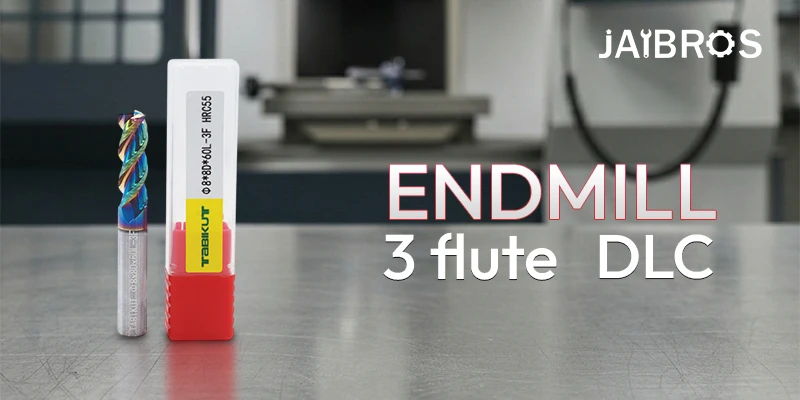
Learn the key features to consider when buying endmills for CNC machines, including tool material, coatings, flute design, and performance tips.
Selecting the Best Endmills for Accurate CNC Milling
CNC machining has transformed modern manufacturing by enabling high-precision cutting and efficient material removal. One of the most important cutting tools used in CNC milling operations is end mills. These tools are designed to perform various operations such as slitting, contouring, profiling, and pocketing with high accuracy.
However, selecting the right cutting tool is not always easy. With many designs, coatings, and materials available in the market, buyers must carefully evaluate different factors before making a purchase. Choosing the wrong tool can result in a poor surface finish, excessive wear, and reduced machining productivity.
Understanding the Role of Endmills in CNC Machining
In CNC milling operations, cutting tools are responsible for removing material from the workpiece to create the desired shape and size. Among the most versatile tools used in machining are endmills, which can cut in both radial and axial directions.
Unlike traditional drill bits, these tools have cutting edges on the sides as well as the tip. This design allows them to perform complex machining operations with high precision.
Because they are used in a wide range of industrial applications, choosing the correct cnc tool is critical for achieving accurate machining results and maintaining productivity.
Tool Material and Durability
The material used in manufacturing a cutting tool plays a major role in its durability and cutting performance. One of the most commonly used materials in CNC machining is carbide.
Carbide endmills are widely preferred because they offer excellent hardness, heat resistance, and wear resistance. These tools can withstand higher cutting speeds compared to high-speed steel tools, making them ideal for modern machining environments.
Carbide tools are especially useful when machining hard materials such as stainless steel, hardened alloys, and cast iron. Their ability to maintain sharp cutting edges even at high temperatures improves machining efficiency and tool life span.
Selecting high-quality materials ensures that endmills perform consistently and maintain accuracy throughout the machining process.
Flute Count and Cutting Efficiency
Another key feature to consider when buying cutting tools is the number of flutes. Flutes are the grooves along the cutting tool that help remove chips during machining.
Tools with fewer flutes generally provide better chip evacuation, making them suitable for softer materials like aluminum. On the other hand, tools with more flutes provide a smoother surface finish and better stability when machining harder materials.
Choosing the correct flute configuration allows endmills to operate efficiently without clogging or excessive vibration during cutting operations.
Tool Coating and Surface Protection
Modern cutting tools often feature advanced coatings that improve their performance and durability. Coatings reduce friction, increase wear resistance, and help manage heat during machining.
Common coatings used in CNC tools include titanium nitride (TiN), titanium aluminum nitride (TiAlN), and other specialized coatings designed for high-temperature cutting environments.
These coatings help protect the cutting edges of endmills and extend their operational life. When buying tools, it is important to select coatings that are compatible with the workpiece material and machining conditions.
Understanding Different Tool Geometries
Cutting tool geometry plays a crucial role in determining machining performance. Different shapes and designs are developed to handle specific milling operations.
There are many types of endmills available in the market, including flat endmills, ball nose endmills, corner radius endmills, and roughing endmills. Each type is designed to perform a particular machining task.
For example, ball nose cutters are commonly used for 3D contouring and mold machining, while flat tools are ideal for slotting and general milling operations.
Understanding the different types of endmills allows machinists to choose tools that match their machining requirements and improve overall productivity.
Tool Size and Precision Applications
The size of the cutting tool is another important factor to consider. Larger tools are typically used for heavy material removal, while smaller tools are used for detailed machining.
For extremely precise machining tasks, micro endmills are often used. These tools are designed for miniature components, delicate features, and high-precision industries such as medical device manufacturing and electronics.
Selecting the appropriate tool size ensures that endmills deliver the required accuracy without compromising tool strength or cutting stability.
Compatibility with CNC Machines
Before purchasing cutting tools, machinists must ensure that the selected tool is compatible with their CNC machine and tool holder system.
Factors such as shank diameter, tool length, and machine spindle capability must be considered carefully. A well-matched cnc tool setup helps maintain stability during machining and prevents vibration or tool deflection.
Proper compatibility also ensures that the cutting tool operates at optimal speeds and feeds, which improves tool life and machining efficiency.
Chip Removal and Cooling Efficiency
Efficient chip removal is essential for maintaining consistent machining performance. If chips accumulate around the cutting area, they can cause overheating and tool damage.
Tools designed with optimized flute geometry help remove chips effectively and maintain smooth cutting conditions.
In addition to tool design, coolant systems also play an important role in maintaining the performance of endmills. Proper cooling reduces heat buildup and helps maintain sharp cutting edges during machining operations.
Cost vs Performance
While cost is an important factor when buying cutting tools, it should never be the only deciding factor. Lower-cost tools may seem attractive initially, but they often wear out faster and require frequent replacement.
Investing in high-quality tools ensures better machining performance and long-term cost savings.
When evaluating cutting tools, machinists should consider durability, cutting efficiency, and tool life rather than focusing solely on the purchase price.
Conclusion
Selecting the right cutting tool is essential for maintaining efficient CNC machining operations. By evaluating key features such as tool material, flute design, coating technology, geometry, and compatibility, machinists can choose tools that deliver consistent performance and reliability.
Understanding these factors helps ensure that endmills perform efficiently while maintaining accuracy and durability. Whether working with soft materials or hardened alloys, choosing the right cutting tools improves productivity and reduces machining costs.
About Jaibros
Jaibros is a reliable supplier of high-quality CNC machining tools and industrial cutting solutions. The company offers a wide range of precision products including milling cutters, inserts, tool holders, and advanced machining accessories designed for modern manufacturing industries. With a commitment to quality and performance, Jaibros helps machinists achieve accurate results and improved productivity through dependable cnc tool solutions.
FAQs
1. What factors should be considered when buying milling tools?
Important factors include tool material, coating, flute count, tool geometry, and compatibility with CNC machines.
2. Why are carbide cutting tools widely used in CNC machining?
Carbide end mills are are popular because they provide excellent hardness, heat resistance, and longer tool life compared to traditional steel tools.
3. What are micro milling cutters used for?
Micro endmills are used for precision machining applications such as miniature components, mold making, and electronics manufacturing.
4. How do tool coatings improve cutting performance?
Tool coatings reduce friction, protect the cutting edges, and increase resistance to wear and high temperatures.
5. Why is it important to understand tool geometry?
Understanding different types of endmills helps machinists select the correct tool for specific machining tasks, improving accuracy and productivity.