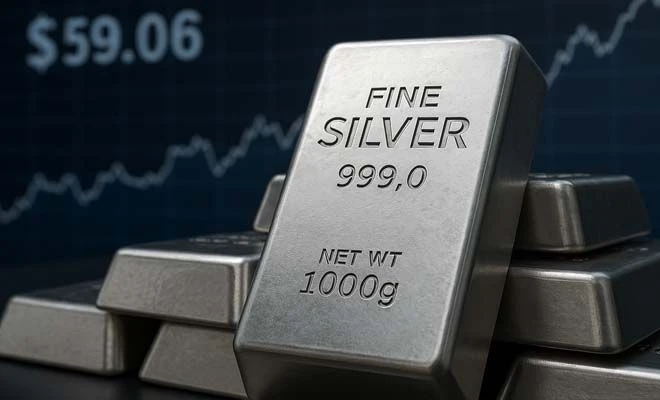
In the evolving landscape of commodity investing, silver has emerged as a powerful asset class that offers both growth potential and portfolio stability. Traditionally overshadowed by gold, silver is now gaining attention due to its dual role as both a precious and industrial metal. For investors seeking a modern and efficient way to participate in this asset class, best silver ETFs in India provide an ideal solution without the complexities of physical ownership.
Silver Exchange Traded Funds (ETFs) allow investors to gain exposure to silver prices through stock exchanges, eliminating the need for storage, security, and purity concerns. With increasing industrial demand, especially from sectors like renewable energy, electronics, and electric vehicles, silver is positioned as a strategic long-term investment. This makes silver ETFs particularly attractive for commodity investors looking to diversify beyond traditional equity and debt instruments.
In this comprehensive guide, we will explore how silver ETFs work, their advantages, top options available in India, investment strategies, risks, and how they can strengthen your portfolio.
Understanding Silver ETFs in India
Silver ETFs are mutual fund schemes that invest primarily in physical silver of high purity. These funds aim to replicate the performance of silver prices in the domestic or international markets. Each unit of a silver ETF represents a specific quantity of silver, allowing investors to benefit directly from price movements.
Unlike physical silver, ETFs are traded on exchanges such as NSE and BSE, making them highly liquid and accessible. Investors can buy and sell units through their demat accounts just like stocks, ensuring ease of investment.
Why Commodity Investors Should Consider Silver
Silver holds a unique position among commodities due to its wide range of industrial applications. From solar panels and batteries to medical devices and electronics, silver plays a critical role in modern industries.
Key Drivers of Silver Demand
- Growth in renewable energy sector
- Expansion of electric vehicle market
- Rising industrial usage
- Increasing demand for sustainable technologies
These factors contribute to silver’s long-term demand, making it a strategic asset for commodity investors.
Benefits of Investing in Silver ETFs
Silver ETFs offer multiple advantages over traditional investment methods.
1. Easy Accessibility
You can invest in silver ETFs through a trading account without dealing with physical metal.
2. High Liquidity
Units can be bought and sold anytime during market hours.
3. Cost Efficiency
No making charges, storage costs, or security expenses.
4. Transparency
Prices are directly linked to silver market rates.
5. Portfolio Diversification
Silver has a low correlation with equities, helping reduce overall portfolio risk.
Best Silver ETFs in India for Commodity Investors
Here are some of the most reliable and widely preferred silver ETFs available in India.
Nippon India Silver ETF
This ETF is known for its high liquidity and strong tracking efficiency. It is one of the most actively traded silver ETFs in India, making it suitable for both beginners and experienced investors.
ICICI Prudential Silver ETF
A well-managed fund with a strong reputation, this ETF offers consistent performance and low tracking error.
HDFC Silver ETF
Backed by a trusted brand, HDFC Silver ETF provides stability and efficient cost structure.
Kotak Silver ETF
This ETF is ideal for cost-conscious investors due to its competitive expense ratio and reliable performance.
Aditya Birla Sun Life Silver ETF
A solid option for diversification, this ETF is managed by a reputed fund house and offers steady exposure to silver.
These ETFs are considered among the best options for investors looking to build a secure and diversified commodity portfolio.
How to Invest in Silver ETFs
Investing in silver ETFs is straightforward and requires only a few steps.
- Open a demat and trading account
- Select a silver ETF based on performance and cost
- Place a buy order through your broker
- Monitor your investment regularly
Many investors follow a disciplined approach by investing regularly to average out price fluctuations.
Key Factors to Evaluate Before Investing
Before selecting a silver ETF, consider the following factors.
Expense Ratio
Lower expense ratios help maximize net returns.
Tracking Error
A lower tracking error indicates better replication of silver prices.
Liquidity
High trading volume ensures ease of buying and selling.
Fund House Credibility
Choose ETFs managed by reputed asset management companies.
Risks Associated with Silver ETFs
While the best silver ETFs in India offer several benefits, they also carry certain risks.
- Price volatility due to global market conditions
- Currency fluctuations affecting returns
- Industrial demand slowdown
- Market risks
Understanding these risks is essential for making informed investment decisions.
Silver ETFs vs Other Commodity Investments
Silver ETFs vs Physical Silver
- No storage or security issues
- Lower costs
- Higher liquidity
Silver ETFs vs Commodity Futures
- Lower risk compared to futures trading
- No need for margin requirements
- Suitable for long-term investors
Silver ETFs provide a safer and more convenient way to invest in commodities compared to traditional methods.
Ideal Allocation Strategy for Silver ETFs
A well-balanced portfolio should include exposure to different asset classes.
Recommended Allocation
- 60–70% Equity investments
- 10–15% Silver ETFs
- 10–15% Gold
- 10–20% Debt instruments
This allocation helps reduce risk while maintaining growth potential.
Role of Silver in Inflation Protection
Silver acts as a hedge against inflation. When inflation rises, the value of currency decreases, but precious metals often retain or increase their value.
This makes silver ETFs an effective tool for preserving purchasing power over the long term.
Taxation of Silver ETFs in India
Silver ETFs are taxed similarly to debt mutual funds.
- Short-term capital gains taxed as per income slab
- Long-term gains taxed with indexation benefits
Understanding taxation helps in better financial planning and maximizing returns.
Future Outlook of Silver Investments
The future of silver looks promising due to increasing global demand.
Growth Drivers
- Renewable energy expansion
- Electric vehicle adoption
- Technological advancements
- Industrial growth
These factors are expected to drive silver prices upward over the long term.
Common Mistakes to Avoid
Commodity investors often make mistakes that impact returns.
- Investing without diversification
- Ignoring expense ratios
- Panic selling during market fluctuations
- Overexposure to a single asset
Avoiding these mistakes can improve investment outcomes significantly.
Who Should Invest in Silver ETFs
Silver ETFs are suitable for:
- Commodity investors
- Long-term investors
- Beginners seeking diversification
- Investors looking for inflation hedge
They are particularly useful for those who want exposure to commodities without dealing with physical assets.
Building a Strong Commodity Portfolio
A strong portfolio combines multiple asset classes to balance risk and return.
Example Portfolio
- Equity Mutual Funds
- Silver ETFs
- Gold ETFs
- Debt Instruments
This diversified approach ensures stability and growth.
Final Thoughts
Silver ETFs have become an essential tool for commodity investors looking to diversify their portfolios and hedge against economic uncertainties. They offer a modern, efficient, and cost-effective way to invest in silver while eliminating the challenges associated with physical ownership.
By selecting the best silver ETFs in India, you can gain exposure to a high-potential asset class that benefits from both industrial demand and its role as a precious metal. With proper allocation and a long-term perspective, silver ETFs can significantly enhance your investment strategy.
In addition to commodity investments, combining them with disciplined mutual fund strategies like the best SIP plans in India can create a well-balanced portfolio that supports long-term wealth creation, stability, and financial security.