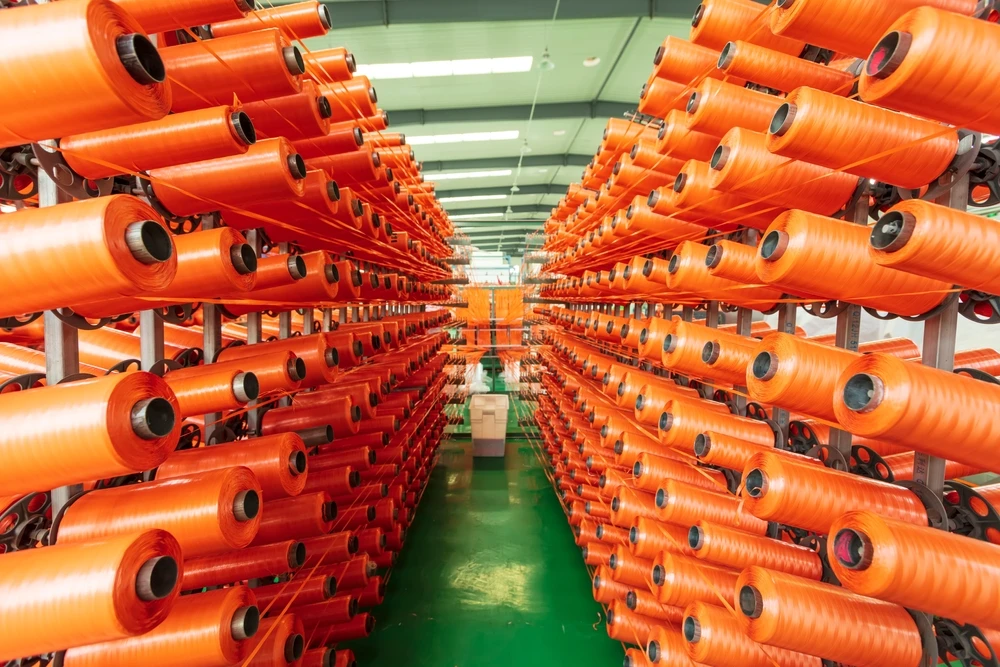
A textile unit once faced a recurring issue despite using modern machinery and experienced staff; their fabrics showed inconsistent dye shades and uneven finishing. Orders were delayed, and customer confidence started to decline. After a detailed review, the problem was traced back to one key factor: the chemical solutions being used were not aligned with the process requirements. Once the right chemical support was introduced, production stabilized, quality improved, and efficiency increased.
Textile manufacturing is a highly process-driven industry where each stage depends on accuracy and control. Chemical solutions are at the core of this system, influencing how fibers react, how dyes perform, and how fabrics behave in real-world use. Without the right chemical support, even the most advanced setups can struggle to deliver consistent results.
“In textiles, true quality is built step by step, guided by the right process and the right chemistry.”
The Role of Chemical Solutions in Textile Processing
Chemical solutions are deeply integrated into textile production, affecting everything from raw fiber preparation to final finishing. They help ensure uniformity, durability, and performance across different types of fabrics.
After this stage, many textile units rely on industrial chemicals suppliers to provide consistent formulations and technical support tailored to their production needs. Their expertise helps maintain quality and efficiency throughout the process.
Key benefits of proper chemical support include:
- Improved fabric consistency and uniformity
- Better dye absorption and color stability
- Reduced production errors and waste
- Enhanced fabric strength and durability
- Smoother and more efficient processing
Pretreatment Chemicals That Prepare Fabrics Properly
Pretreatment is the foundation of textile processing. Without proper preparation, fabrics may not respond well to dyeing or finishing treatments.
- Desizing Agents: Remove starch and sizing materials from yarns, ensuring better absorption of chemicals and improved consistency across production batches.
- Scouring Agents: Eliminate oils, waxes, and impurities, creating a clean surface for effective chemical reactions in later stages.
- Bleaching Agents: Improve fabric whiteness and remove natural pigments, providing a neutral base for dyeing processes.
- Wetting Agents: Help chemicals spread evenly across the fabric surface, preventing patchy treatment and uneven results.
- Sequestering Agents: Control metal ions in water that can interfere with chemical reactions, ensuring stable processing conditions.
- Enzymatic Cleaners: Offer gentle yet effective cleaning, preserving fiber strength while removing impurities efficiently.
A well-executed pretreatment stage ensures better results in all subsequent processes.
Dyeing Chemicals That Ensure Uniform Results
Dyeing is one of the most sensitive stages in textile manufacturing. Chemical solutions used here directly affect color consistency and fabric appearance.
- Dyeing Auxiliaries: Improve dye penetration, leveling, and fixation while ensuring even color distribution across large fabric batches.
- Leveling Agents: Prevent uneven dye uptake and reduce shade variations during processing.
- Fixing Agents: Enhance color fastness, ensuring dyes remain stable after washing and exposure to light.
- Dispersing Agents: Keep dyes evenly suspended in solution, avoiding clumping and inconsistent application.
- pH Regulators: Maintain the correct chemical balance during dyeing, ensuring predictable results.
- Anti-Foaming Agents: Control foam formation, allowing smooth and efficient dyeing operations.
These chemicals help achieve consistent and high-quality dyeing outcomes.
Finishing Chemicals That Define Fabric Quality
Finishing is where fabrics gain their final properties, such as softness, durability, and functionality.
- Softening Agents: Improve fabric feel and comfort, making textiles more suitable for end-use applications while enhancing overall quality.
- Wrinkle-Resistant Chemicals: Reduce creasing and maintain fabric appearance after washing and use.
- Water-Repellent Finishes: Provide resistance against moisture, making fabrics suitable for outdoor and performance wear.
- Flame-Retardant Chemicals: Improve safety by reducing flammability in specialized textiles.
- Anti-Pilling Agents: Prevent fiber ball formation, maintaining a smooth surface over time.
- Antimicrobial Finishes: Protect fabrics from bacteria and odor, improving hygiene and usability.
After the mid-stage of production, working with a reliable textile chemical supplier in Pakistan ensures that finishing treatments meet quality standards and market expectations.
“The finishing stage is where the true value of fabric becomes visible.”
Chemicals That Improve Production Efficiency
Chemical solutions also play a vital role in improving operational efficiency in textile units. They help streamline processes and reduce production challenges.
- Fiber Lubricants: Reduce friction during processing, preventing fiber damage and improving machine performance.
- Machine Cleaning Chemicals: Remove residues and deposits, ensuring consistent equipment efficiency.
- Foam Control Agents: Maintain smooth processing by minimizing foam-related disruptions.
- Stabilizers: Ensure consistent chemical reactions, improving reliability in production processes.
- Process Aids: Support multiple stages of textile manufacturing, enhancing workflow and reducing delays.
These solutions contribute to smoother operations and better productivity.
Avoiding Common Challenges in Textile Processing
Without the right chemical solutions, textile units may encounter several production challenges that affect both quality and efficiency.
- Uneven Dyeing: Caused by improper auxiliary selection or incorrect chemical balance.
- Fabric Damage: Results from harsh or incompatible chemical treatments.
- High Rejection Rates: Occur when quality standards are not consistently maintained.
- Increased Waste: Poor chemical efficiency leads to higher material wastage.
- Environmental Issues: Non-compliant chemicals may create regulatory challenges.
- Production Delays: Inefficient chemical processes can slow down operations.
Proper chemical selection helps avoid these issues and ensures consistent output.
Frequently Asked Questions
Why are chemical solutions important in textile processing?
They ensure consistency, improve fabric quality, and enhance production efficiency.
Can poor chemical selection affect fabric quality?
Yes, it can lead to uneven dyeing, fabric damage, and poor finishing results.
Are finishing chemicals necessary for all fabrics?
Yes, they enhance the appearance, durability, and functionality of textiles.
How do suppliers support textile production?
They provide consistent products, technical guidance, and customized solutions.
Do chemical solutions improve efficiency?
Yes, they reduce waste, minimize downtime, and optimize processing conditions.
To Round Things Off
Textile production relies heavily on the right chemical solutions to maintain consistency, efficiency, and quality. From pretreatment to finishing, each stage depends on carefully selected chemicals that ensure reliable performance.
By working with experienced suppliers and using suitable formulations, textile units can reduce errors, improve fabric quality, and meet market demands effectively. In today’s competitive environment, strong chemical support is not just beneficial; it is a key factor in achieving long-term success.
“The success of textile production lies in the balance between process, precision, and the right chemical support.”