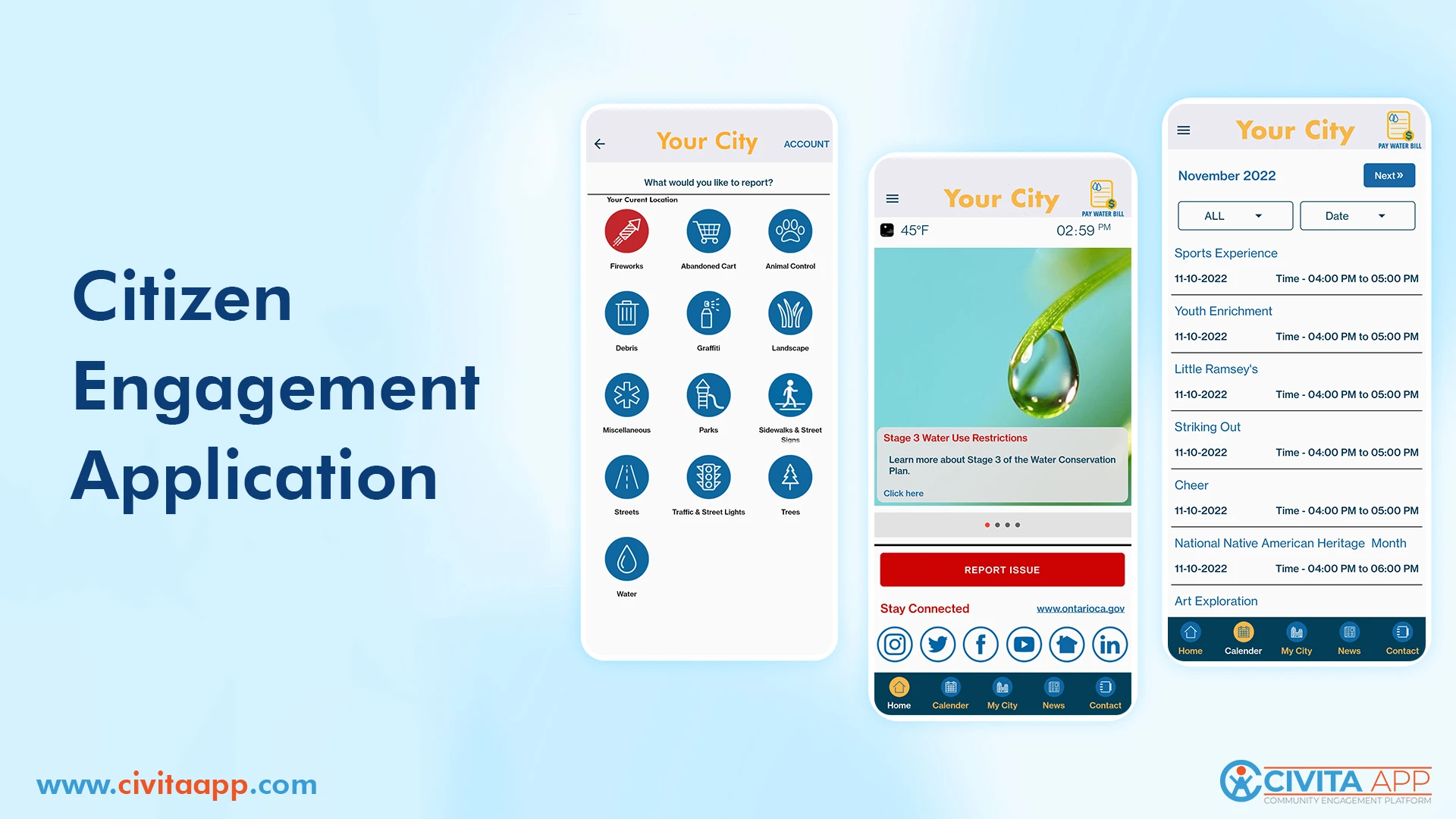
Cities are adopting digital tools to improve communication with residents and deliver better public services. A Citizen Relationship Management App helps municipalities manage service requests, track issues, and maintain strong communication with the community. By combining CRM with a citizen engagement app, cities can create a more connected and responsive environment for residents.
A Civita App CRM system acts as a centralized platform where all citizen interactions are recorded and managed. When integrated with a mobile solution such as the platform available at civitaapp.com, city departments can receive reports, assign tasks, and provide updates to residents through a single system. This improves coordination between departments and creates a structured approach to managing city services.
Centralized Communication with Residents
One of the most effective ways CRM increases citizen engagement is through centralized communication. Instead of contacting multiple offices or searching for information across different websites, residents can use a citizen engagement app to access city services in one place. Through this platform, citizens can view local information, check service updates, and connect directly with municipal departments.
Digital Issue Reporting
CRM platforms also allow residents to report non-emergency issues directly from their mobile devices. Problems such as potholes, broken streetlights, or sanitation concerns can be reported through a mobile interface with photos and location data. These reports are automatically captured and routed to the appropriate department for action.
This process reduces the need for phone calls and manual data entry while giving city staff accurate information about community concerns. As a result, service requests can be tracked and managed more effectively.
Real-Time Updates and Notifications
Transparency is a key factor in building citizen trust. With CRM integration, residents receive real-time notifications about the status of their service requests. Updates can be sent through push notifications, allowing citizens to stay informed about issue progress, city announcements, or service changes.
Platforms like the solution described on civitaapp.com also allow cities to send alerts about events, road work, or emergency information directly to residents’ phones.
Community Feedback and Participation
Another way CRM improves engagement is by collecting feedback from citizens. Through surveys, polls, and feedback forms, local governments can gather insights about community priorities and service quality. This feedback helps city officials understand resident needs and make informed decisions about future improvements.
Encouraging citizens to share opinions also promotes a sense of involvement in city development.
Integration with City Services
A modern CRM system integrates with existing municipal systems such as work order management, GIS mapping, and service portals. This integration provides a unified view of service requests and operations for city staff.
For example, a report submitted through the citizen engagement app can automatically create a work order for the relevant department. City employees can track progress, assign tasks, and close cases within the same system.
Building Stronger City–Citizen Relationships
Ultimately, CRM technology allows cities to move beyond traditional call-center communication and adopt a digital, mobile-first approach to engagement. By using platforms like those offered at civitaapp.com, municipalities can provide convenient access to services, improve communication, and maintain transparency in service delivery.
When implemented effectively, a CRM-driven citizen engagement app helps cities build stronger relationships with residents while improving operational coordination and service management.