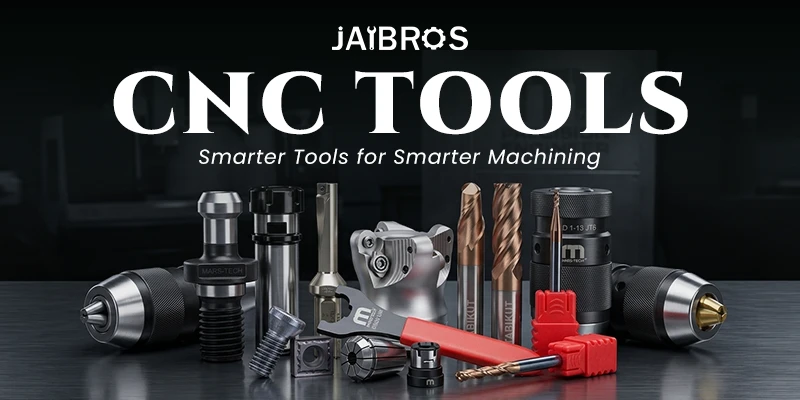
Learn CNC tool setup tips for beginners in CNC machining. Discover how to choose the best CNC tools, improve accuracy, and ensure efficient machining operations.
CNC Tool Setup Tips for Beginners in CNC Machining Guide
CNC machining has become a vital part of modern manufacturing. From automotive components to aerospace parts and industrial equipment, CNC machines help produce highly precise and consistent products. However, achieving accurate results depends not only on the machine but also on how well the cutting tools are set up and used.
For beginners entering the world of CNC machining, understanding the correct way to install and manage a CNC tool is essential. Proper tool setup ensures smooth machining operations, improves accuracy, and extends tool life. Without proper setup techniques, machining errors, tool breakage, and poor surface finishes can occur.
In this guide, we will explore practical setup tips that help beginners use cutting tools effectively and maintain efficient CNC machining operations.
Understanding CNC Tool Setup
Before starting any machining operation, it is important to understand what tool setup means. Tool setup involves installing the cutting tool in the machine, aligning it correctly, setting offsets, and ensuring that it is ready for the machining process.
A properly installed CNC tool allows the machine to cut materials precisely and efficiently. Incorrect setup, on the other hand, can lead to vibration, inaccurate cuts, and damage to both the tool and the machine.
Beginners should focus on learning the basic setup procedures and safety practices before operating CNC equipment.
1. Choose the Right Tool for the Operation
One of the first steps in proper tool setup is selecting the correct cutting tool for the job. Different machining operations require different tools depending on the material, cutting speed, and desired finish.
For example, milling operations may require end mills, while turning operations use inserts or boring tools. Choosing the correct CNC tool ensures smooth cutting and better machining results.
Many machinists prefer using the best CNC tools available because high-quality tools provide better durability and consistent performance. Selecting the right tool also reduces the chances of tool wear and machining errors.
2. Inspect the Tool Before Installation
Before installing a cutting tool in the machine, it is important to inspect it carefully. Beginners should check the tool for any visible damage, such as chipped edges, cracks, or wear marks.
A damaged CNC tool can cause poor cutting performance and may even break during machining. This can lead to costly machine downtime and potential safety hazards.
Inspecting tools before installation ensures that only properly functioning tools are used during the machining process. This simple step can greatly improve machining reliability.
3. Use the Correct Tool Holder
The tool holder plays a major role in maintaining tool stability. A tool holder secures the cutting tool in place and ensures proper alignment with the machine spindle.
Using the correct holder allows the CNC tool to remain balanced during operation, reducing vibration and improving cutting accuracy. Poor-quality holders or incorrect clamping can cause tool runout, which leads to inaccurate machining.
Machine shops searching for CNC tools near me often look for suppliers that provide compatible holders and accessories to ensure stable tool setup.
4. Set the Correct Tool Length Offset
Tool length offset is an important setting in CNC machining. It ensures that the machine knows the exact position of the cutting tool relative to the workpiece.
When the length offset is set correctly, the CNC tool can cut the material at the correct depth and maintain consistent dimensions. Incorrect offsets may cause the tool to cut too deep or not reach the material properly.
Beginners should learn how to measure tool length accurately using tool setters or manual measurement methods. This ensures that machining operations start with the correct tool positioning.
5. Adjust Cutting Parameters Properly
Once the tool is installed and aligned, the next step is to set the correct cutting parameters. These include spindle speed, feed rate, and depth of cut.
Incorrect parameters can place excessive stress on a CNC, leading to rapid wear or breakage. Beginners should follow the recommended cutting parameters provided by the tool manufacturer.
Using appropriate speeds and feeds helps the tool cut efficiently while maintaining a smooth machining process.
Many machinists purchase CNC tools online because product specifications often include recommended cutting parameters for different materials.
6. Ensure Proper Workpiece Clamping
Tool setup is closely connected to how the workpiece is secured. If the material is not clamped properly, vibration may occur during machining.
This vibration affects the performance of the tool and may cause inaccurate cuts or poor surface finishes. Beginners should ensure that the workpiece is firmly secured using clamps, vises, or fixtures before starting the machining operation.
Stable workpiece positioning allows the cutting tool to perform efficiently and maintain precision.
7. Use Proper Cooling and Lubrication
Cooling and lubrication are essential for maintaining tool performance. During machining, friction between the tool and the workpiece generates heat.
Without proper cooling, the CNC tool may overheat and wear out quickly. Coolants help reduce heat, improve chip removal, and extend tool life.
Using appropriate coolant systems is particularly important when working with hard materials or performing high-speed machining operations.
Manufacturers offering CNC tools in India often design cutting tools that perform efficiently with modern cooling systems.
8. Monitor Tool Performance During Machining
Even after proper setup, it is important to monitor tool performance during machining operations. Beginners should pay attention to unusual sounds, excessive vibration, or changes in surface finish.
These signs may indicate that the tool is experiencing wear or that cutting parameters need adjustment. Regular monitoring allows operators to detect problems early and prevent major machining issues.
Experienced machinists develop the habit of observing tool behavior closely to maintain efficient machining processes.
9. Maintain Tools Properly After Use
Proper tool maintenance is another important practice for beginners. After machining operations are completed, tools should be cleaned and stored correctly.
Keeping the CNC free from chips, dust, and coolant residue helps maintain its cutting performance for future operations. Proper storage also prevents damage to cutting edges.
Maintaining tools properly ensures longer tool life and consistent machining quality.
The Importance of Learning Tool Setup for Beginners
Learning proper tool setup techniques is one of the most important skills for CNC machining beginners. Accurate tool installation improves machining precision, reduces machine downtime, and ensures safe operations.
By following proper setup practices, beginners can quickly develop confidence in handling CNC machines and performing machining operations efficiently.
Investing in reliable cutting tools and learning correct setup procedures are essential steps toward becoming a skilled CNC operator.
Conclusion
CNC machining is a powerful manufacturing process, but achieving the best results requires proper tool setup and careful operation. For beginners, learning how to select, install, and maintain cutting tools is essential for efficient machining.
By following important setup practices—such as selecting the correct tool, using proper holders, setting accurate offsets, adjusting cutting parameters, and maintaining cooling systems—operators can improve machining performance and extend tool life.
For professionals and businesses looking for dependable cutting solutions, Jaibros is a trusted supplier in the machining industry. The company offers a wide range of high-quality cutting tools designed for modern manufacturing needs. Whether you are searching for durable machining tools or planning to purchase CNC tools online, Jaibros provides reliable solutions that support precision machining and efficient production.
FAQs
Q1. What is CNC tool setup in machining?
CNC tool setup involves installing the cutting tool in the machine, setting tool offsets, and adjusting cutting parameters before starting the machining operation.
Q2. Why is proper tool setup important in CNC machining?
Proper setup ensures accurate cutting, reduces tool wear, and prevents machining errors during production.
Q3. Where can beginners buy CNC cutting tools?
Beginners can purchase cutting tools from industrial suppliers or online platforms that provide a wide variety of CNC machining tools.
Q4. How can I extend the life of my CNC cutting tools?
Using correct cutting parameters, applying proper coolant, and regularly inspecting tools can help extend their lifespan.
Q5. Are CNC tools available from suppliers in India?
Yes, many companies offering CNC tools in India provide high-quality cutting tools suitable for modern CNC machining applications.