Introduction
Urban growth in India has brought rapid expansion of roads, highways, and transport systems. Yet, one basic issue continues to affect daily life across cities and towns: poor road maintenance. Among these, potholes stand out as one of the most visible and dangerous problems. They are not just an inconvenience but a serious public safety risk, often leading to accidents, injuries, and even fatalities.
In recent years, courts in India have increasingly treated road maintenance failures as matters of legal accountability rather than mere administrative lapses. This shift has given rise to what is now commonly referred to as a pothole case, where affected individuals seek compensation for harm caused due to negligence by public authorities.
This article examines the legal framework governing such cases, the duties of government bodies, evolving judicial approaches, and what victims can do to protect their rights.
The Ground Reality of Road Conditions
India has one of the largest road networks in the world. However, quality and maintenance vary widely across regions. Seasonal rains, heavy traffic, poor construction practices, and delayed repairs often result in damaged road surfaces.
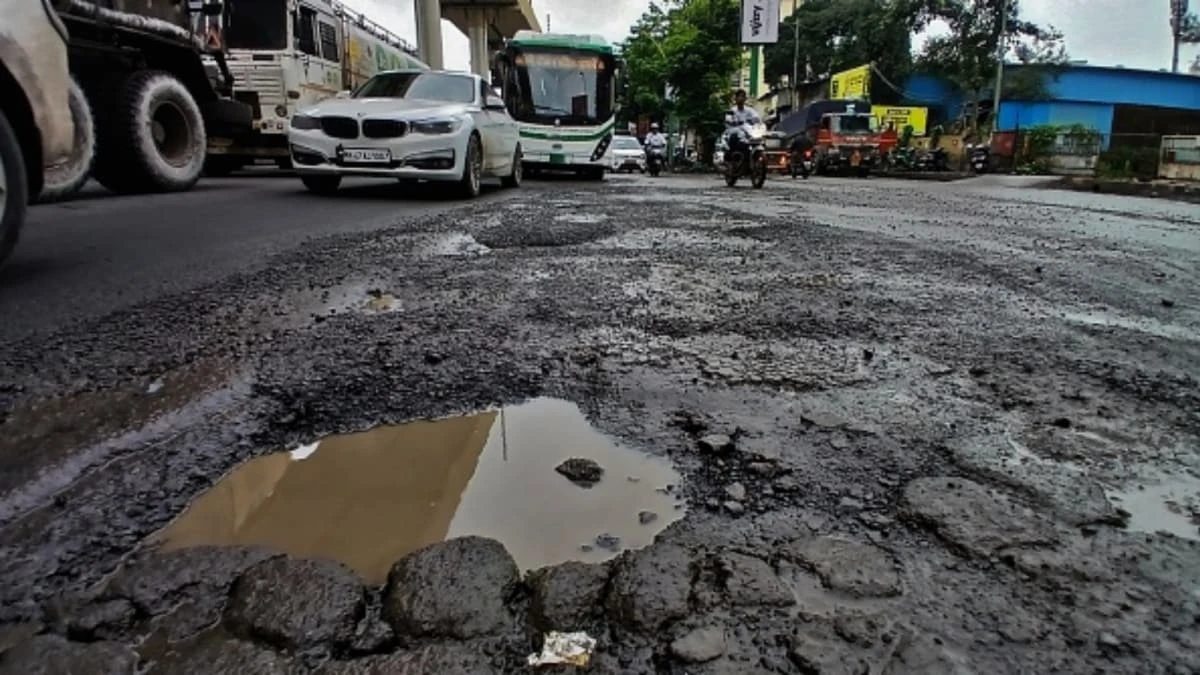
Potholes form when water seeps into cracks, weakens the structure, and repeated vehicle movement breaks down the surface further. Over time, these small cracks become deep cavities that can cause vehicles to lose control.
The problem of potholes in India is not limited to rural areas. Major metropolitan cities like Mumbai, Delhi, and Bengaluru face this issue every monsoon. Despite budget allocations and maintenance contracts, delays in repair work often persist.
Legal Duty of Authorities
Under Indian law, public authorities such as municipal corporations, public works departments, and highway authorities have a clear duty to maintain roads in a safe condition. This duty arises from:
-
Statutory obligations under municipal laws
-
Public law principles of governance
-
The constitutional right to life under Article 21
The Supreme Court has repeatedly held that the right to life includes the right to safe infrastructure. Roads that pose danger due to neglect can be seen as a violation of this right.
When authorities fail to repair potholes despite knowledge of their existence, it can amount to negligence. This forms the basis of liability in a pothole case.
Understanding Negligence in Road Maintenance
Negligence is a key concept in tort law. To establish negligence, the following elements must be proven:
-
Duty of care
-
Breach of that duty
-
Causation
-
Damage
In the context of road maintenance, authorities owe a duty of care to ensure that roads are reasonably safe for public use. A breach occurs when they fail to repair known defects or do not conduct proper inspections.
For example, if a pothole has existed for several days or weeks and no action has been taken, it may indicate negligence. If an accident occurs due to that pothole, the injured party may claim compensation.
Judicial Approach to Pothole Cases
Indian courts have taken an increasingly strict view of government accountability in such matters. Several High Courts have emphasized that authorities cannot escape liability by citing lack of funds or administrative delays.
In multiple instances, courts have directed compensation to victims of road accidents caused by potholes. The reasoning often includes:
-
Failure of public duty
-
Preventable nature of the hazard
-
Lack of timely response
Courts have also highlighted that public safety cannot be compromised due to bureaucratic inefficiency.
A notable trend is the recognition that poor infrastructure is not merely a civic issue but a legal one. This has strengthened the position of individuals filing a pothole case.
Compensation Claims and Legal Remedies
Victims of pothole-related accidents have multiple legal options. These include:
1. Filing a Civil Suit
An individual can file a civil claim for damages against the concerned authority. Compensation may include:
-
Medical expenses
-
Loss of income
-
Pain and suffering
-
Vehicle damage
2. Writ Petitions
In cases involving serious injury or death, victims or their families may approach High Courts under Article 226. Courts have granted compensation in such cases, treating them as violations of fundamental rights.
3. Consumer Complaints
In some cases, courts have allowed complaints under consumer protection laws, treating citizens as consumers of public services.
Evidence Required in a Pothole Case
To succeed in a claim, strong evidence is essential. This may include:
-
Photographs or videos of the pothole
-
Medical reports
-
FIR or police reports
-
Witness statements
-
Proof of expenses
Timely documentation plays a crucial role. The stronger the evidence, the higher the chances of establishing negligence.
Role of Technology in Addressing Road Issues
With the rise of digital platforms, citizens now have better tools to report road defects. Many municipal bodies have introduced mobile apps and online portals for complaints.
Geotagged photos, timestamps, and complaint tracking systems help create a record of negligence. If authorities fail to act despite such reports, it strengthens the case against them.
However, the effectiveness of these systems varies across regions. In many areas, complaints remain unresolved for long periods.
Policy Gaps and Implementation Challenges
While laws and policies exist, implementation remains inconsistent. Some key challenges include:
-
Lack of accountability in contractor systems
-
Poor monitoring of repair work
-
Delayed fund allocation
-
Absence of strict timelines
In many cases, temporary fixes are applied instead of permanent solutions. This leads to recurring problems, especially during monsoon seasons.
The issue of potholes in India is therefore not just about infrastructure but also about governance and accountability.
Government Initiatives and Road Safety Programs
The government has introduced several initiatives to improve road safety and infrastructure quality. These include:
-
Road safety audits
-
Smart city projects
-
Digital monitoring systems
-
Performance-based contracts
Some states have also introduced strict penalties for contractors responsible for poor quality work.
Despite these efforts, ground-level execution remains uneven. Regular audits and transparent reporting are needed to ensure lasting improvements.
Corporate and Contractor Liability
In many cases, road construction and maintenance are outsourced to private contractors. This raises questions about shared liability.
Contracts typically include clauses related to quality standards and maintenance obligations. If a contractor fails to meet these standards, both the contractor and the supervising authority may be held responsible.
Courts have started examining these contractual relationships more closely in pothole case claims, especially where negligence is evident.
Public Awareness and Citizen Action
Public awareness plays a key role in addressing road safety issues. Citizens can:
-
Report potholes promptly
-
Use official complaint channels
-
Document hazards
-
Raise awareness through social platforms
Collective action often leads to faster response from authorities. In some cities, citizen groups have successfully pushed for improved road maintenance through sustained efforts.
Comparative Perspective
Globally, many countries treat road safety as a priority issue with strict accountability mechanisms. Regular inspections, real-time monitoring, and quick repair systems are standard practices.
In contrast, the situation with potholes in India highlights the need for stronger enforcement and better coordination between agencies.
Learning from global best practices can help improve outcomes in the Indian context.
Preventive Measures and Best Practices
To reduce pothole-related risks, authorities must adopt a proactive approach:
-
Regular inspections of road conditions
-
Use of durable materials
-
Timely repairs
-
Transparent contractor evaluation
Preventive maintenance is far more effective than reactive repairs. Investing in quality infrastructure can significantly reduce long-term costs and risks.
The Way Forward
The increasing number of pothole case claims reflects a shift in public mindset. Citizens are no longer willing to accept poor infrastructure as a given. They are asserting their rights and seeking accountability.
For meaningful change, a multi-layered approach is required:
-
Strong legal enforcement
-
Transparent governance
-
Active citizen participation
-
Technological integration
Only then can the issue of potholes be addressed in a sustainable manner.
Conclusion
Potholes may seem like a routine problem, but their impact is far-reaching. They affect safety, mobility, and public trust in governance. The legal recognition of negligence in such cases marks an important step toward accountability.
As courts continue to uphold the rights of citizens, authorities must respond with greater responsibility. Road safety is not just an administrative duty but a legal and moral obligation.
Addressing the issue of potholes in India requires consistent effort, clear accountability, and a commitment to public welfare. With the right measures in place, it is possible to move toward safer roads and stronger governance.