
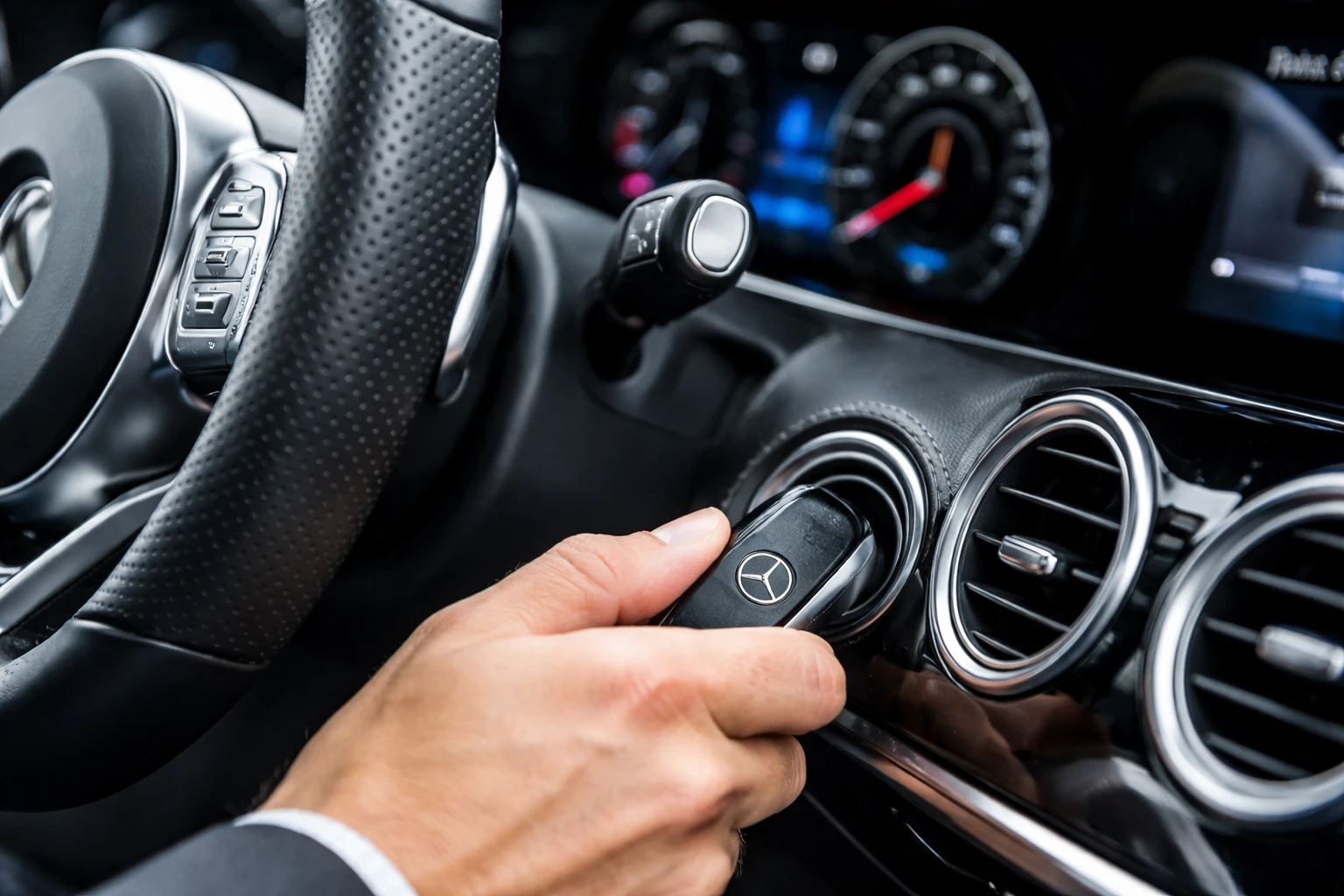
If you own a Mercedes-Benz, you already understand the value of precision engineering and premium performance. However, even the most advanced vehicles can develop issues over time—especially with critical components like the ignition system. One of the most frustrating experiences for any driver is dealing with a stuck key or a car that simply won’t start. In many cases, these issues point directly to Mercedes ignition switch problems.
In this guide, we’ll break down what these problems mean, their common causes, warning signs, and what you can do to fix them quickly and safely.
Understanding the Mercedes Ignition System
Mercedes vehicles use a sophisticated ignition system that goes beyond a traditional key-and-lock mechanism. Many modern models are equipped with an Electronic Ignition Switch (EIS) and Electronic Steering Lock (ESL), which work together to authenticate the key and allow the engine to start.
When any part of this system fails, it can result in a stuck key, a key that won’t turn, or a complete failure to start the vehicle. That’s why understanding Mercedes ignition switch problems is crucial for timely diagnosis and repair.
Common Mercedes Ignition Switch Problems
1. Key Won’t Turn in the Ignition
One of the most common issues drivers face is inserting the key but being unable to turn it. This could be due to:
-
A worn-out key
-
Faulty ignition tumbler
-
Electronic ignition switch failure
2. Key Stuck in the Ignition
If your key gets stuck and won’t come out, it’s often a sign of internal mechanical failure or an issue with the electronic system that prevents proper release.
3. No Response When Turning the Key
If you turn the key and nothing happens—no dashboard lights, no engine crank—it could indicate a dead or malfunctioning ignition switch.
4. Intermittent Starting Issues
Sometimes the car starts fine, and other times it doesn’t. This inconsistency is a classic symptom of developing Mercedes ignition switch problems.
5. Steering Wheel Locked
A locked steering wheel that won’t release can point to a failure in the Electronic Steering Lock system, often tied to ignition issues.
What Causes Mercedes Ignition Switch Problems?
Understanding the root causes can help you prevent costly repairs in the future.
-
Wear and Tear: Over time, repeated use can wear down the internal components of the ignition switch, especially in older vehicles.
-
Faulty Electronic Components: Mercedes ignition systems rely heavily on electronics. A failure in the EIS module or wiring can disrupt communication between the key and the vehicle.
-
Damaged or Worn Key: A bent or worn key may not align properly with the ignition, causing difficulty in turning or getting stuck.
-
Steering Lock Failure: The Electronic Steering Lock (ESL) can malfunction, preventing the ignition from turning or releasing the key.
-
Battery Issues: A weak or dead car battery can sometimes mimic ignition switch problems by preventing the system from responding.
Warning Signs You Shouldn’t Ignore
Catching ignition issues early can save you time, money, and stress. Look out for these signs:
-
Difficulty inserting or removing the key
-
Key not turning smoothly
-
Dashboard lights flickering or not turning on
-
Clicking sounds without engine start
-
Steering wheel remains locked
If you notice any of these symptoms, it’s best to address Mercedes ignition switch problems before they escalate.
How to Fix Mercedes Ignition Switch Problems
1. Check the Key
Start with the simplest fix—inspect your key for damage or wear. If needed, get a replacement from a professional locksmith specializing in Mercedes vehicles.
2. Test the Battery
Ensure your car battery is fully charged. Sometimes, a weak battery can cause ignition-related symptoms.
3. Try Steering Wheel Adjustment
If the steering wheel is locked, gently wiggle it while turning the key. This can sometimes release tension and allow the ignition to turn.
4. Professional Diagnosis
Because Mercedes ignition systems are complex, it’s often best to seek professional help. Specialists can:
-
Diagnose EIS and ESL issues
-
Repair or replace faulty components
-
Reprogram keys if necessary
Repair vs. Replacement: What’s the Better Option?
Depending on the severity of the issue, you may need either a repair or a full replacement.
Repair is ideal when:
-
The issue is minor or intermittent
-
Only specific components are faulty
Replacement is necessary when:
-
The ignition switch is completely unresponsive
-
Internal components are severely worn or damaged
A professional technician can help determine the best course of action based on your vehicle’s condition.
Preventing Future Ignition Switch Problems
While some issues are unavoidable, you can reduce the risk of Mercedes ignition switch problems with these tips:
-
Avoid using heavy keychains that strain the ignition
-
Keep your key clean and undamaged
-
Schedule regular vehicle maintenance
-
Address minor issues before they worsen
-
Use only authorized or high-quality replacement keys
Why Professional Help Matters
Mercedes ignition systems are not like standard car ignitions. They involve advanced electronics, coding, and security features that require specialized tools and expertise.
Attempting DIY repairs can lead to:
-
Further damage
-
Higher repair costs
-
Security system malfunctions
That’s why it’s always recommended to rely on experienced professionals who understand the intricacies of Mercedes vehicles.
Final Thoughts
Dealing with a stuck key or a non-responsive ignition can be incredibly frustrating, especially when you rely on your vehicle daily. However, understanding the signs and causes of Mercedes ignition switch problems can help you act quickly and avoid bigger issues down the road.
Whether it’s a worn key, a faulty electronic ignition switch, or a steering lock issue, timely diagnosis and professional repair are key to getting your Mercedes back on the road safely.
If you’re experiencing ignition issues, don’t wait—seek expert assistance and ensure your vehicle continues to deliver the luxury performance you expect.



