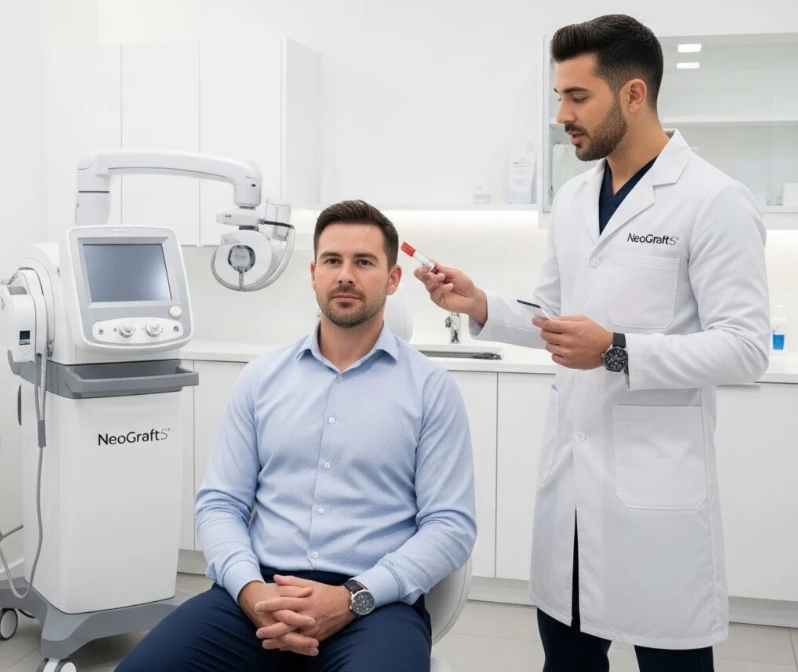
Hair loss is a gradual process that often carries emotional weight, influencing how people perceive themselves over time. Among the newer methods gaining attention, the neograft hair transplant stands out for its minimally invasive approach and focus on precision. Rather than relying on traditional strip harvesting, this technique uses automated follicular unit extraction, allowing individual hair follicles to be removed and implanted with reduced disruption to the scalp.
One of the most discussed aspects of this method is how it aligns with natural hair growth patterns. Since follicles are extracted individually, surgeons can place them in a way that mimics the original direction and density of hair. This contributes to outcomes that look less artificial and more consistent with a person’s natural appearance. It also reduces visible scarring, which has long been a concern with older procedures.
Another point worth considering is the recovery process. Compared to more invasive surgical methods, patients often report shorter downtime. Mild redness or sensitivity may occur, but these effects typically fade within days rather than weeks. This shorter recovery window makes it more manageable for individuals balancing work and personal commitments, without requiring extended time away from daily routines.
However, expectations must remain realistic. Hair transplantation is not an instant solution. Newly implanted follicles usually shed before entering a resting phase, followed by gradual regrowth over several months. The final results may take up to a year to fully develop. This timeline can test patience, especially for those seeking immediate changes.
Cost and suitability are also important factors. Not everyone experiencing hair loss is an ideal candidate. The availability of donor hair, the pattern of hair thinning, and overall scalp health all play a role in determining whether this procedure is viable. Consulting with a qualified specialist is essential to understand limitations and potential outcomes based on individual conditions.
It is equally important to consider the broader perspective on hair loss. While medical procedures provide one route, many people explore alternative approaches such as lifestyle adjustments, scalp care routines, or simply choosing to accept the change. Each path reflects personal priorities rather than a universal standard.
As technology continues to evolve, techniques like these contribute to the ongoing conversation around appearance, confidence, and choice. Whether someone pursues a procedure or not, understanding the realities behind modern solutions helps create informed decisions about hair restoration.