Hotel interior projects depend on precision. Every chair, bed, lamp, carpet roll, and workstation must be counted, measured, and priced correctly before procurement begins. This is where ff&e takeoff services become essential for accurate planning and execution in hospitality projects across the United States.
An FF&E takeoff is more than just counting items. It is a structured quantity survey that translates architectural drawings into detailed material lists and cost estimates. Without this step, hotel projects often face budget overruns, missing items, and procurement delays.
In my experience observing hotel renovation workflows, takeoff errors are one of the most common causes of cost disputes between designers, contractors, and owners. When numbers are wrong at the start, everything downstream becomes unstable.
The Problem: Why Hotel Projects Struggle Without Accurate Takeoffs
Many hotel projects begin with design concepts but lack accurate quantity breakdowns. Designers focus on aesthetics, while procurement teams focus on purchasing, but the link between the two is often weak. This gap creates confusion during execution.
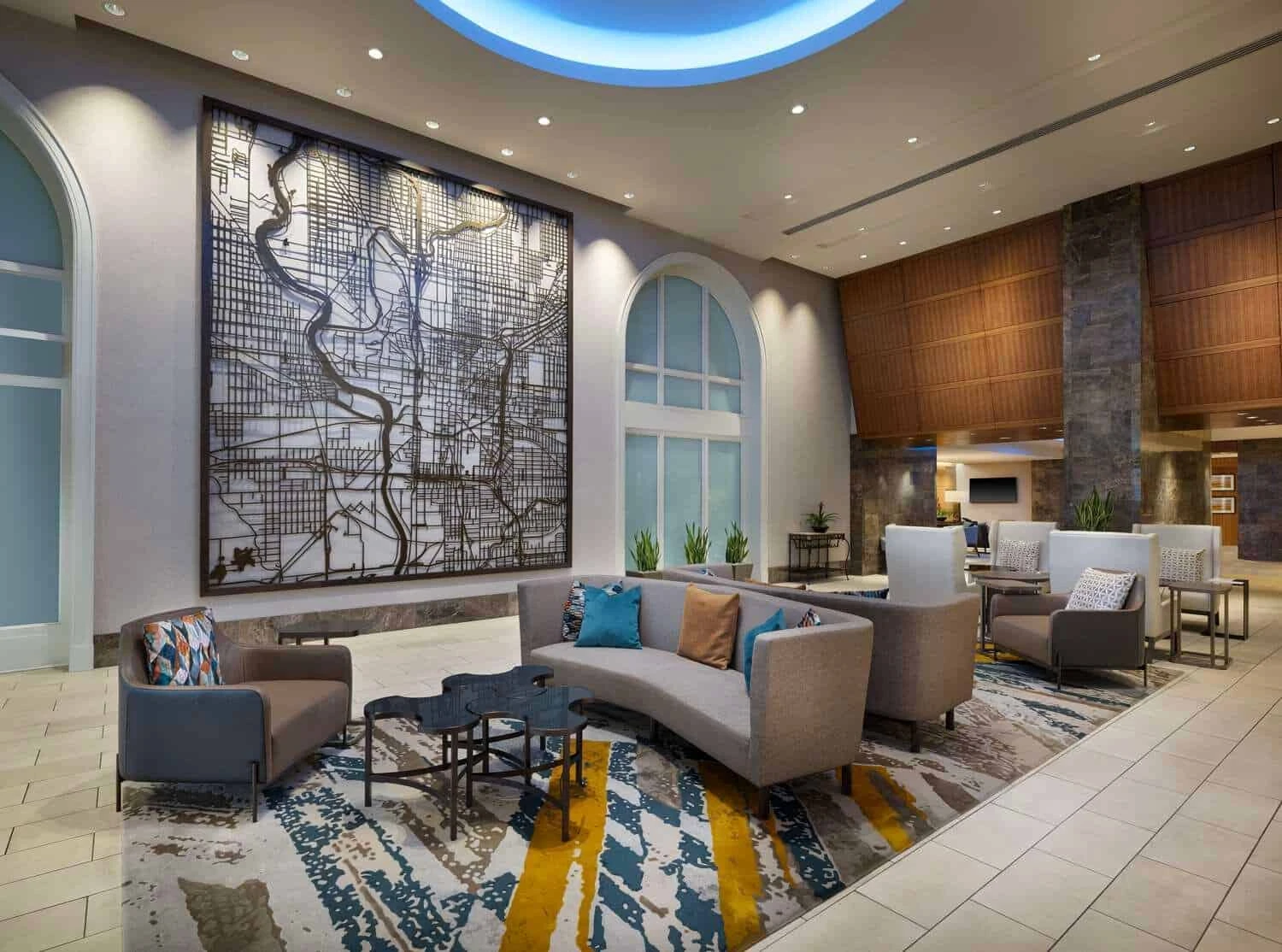
When ff&e takeoff services are not used properly, hotels often underestimate required quantities. For example, a lobby seating layout may look simple in design software, but real-world implementation requires additional cushions, side tables, and replacement allowances.
According to the Construction Industry Institute, inaccurate quantity surveys can increase project costs by up to 10 percent due to reordering, waste, and schedule delays. In hospitality projects, where timing is critical, these errors become even more expensive.
Another common issue is misalignment with a property improvement plan. When FF&E quantities are not accurately measured, hotels struggle to meet brand renovation standards or franchise requirements within budget.
The Agitation: What Happens When FF&E Takeoffs Are Wrong
When takeoffs are inaccurate, the impact spreads across procurement, logistics, and installation. Hotels may receive too few items, forcing emergency reorders at higher prices. In other cases, excess inventory leads to storage costs and waste.
I once reviewed a hotel renovation project in New York where incorrect FF&E quantities resulted in a shortage of 18 guestroom desks. The team had to place rush orders, which increased costs by nearly 22 percent and delayed installation by two weeks.
These issues also affect labor scheduling. Installation teams depend on accurate delivery quantities to plan their workflow. When items are missing, crews sit idle, increasing labor costs without progress.
In hotel renovation projects tied to a property improvement plan, quantity errors can also lead to compliance issues. Franchise brands require precise execution of design standards, and incorrect FF&E counts can result in failed inspections or delayed approvals.
The Solution: How FF&E Takeoff Services Work Step by Step
ff&e takeoff services begin with detailed review of architectural drawings, interior design plans, and space layouts. Every room type, public space, and back-of-house area is analyzed to identify required furnishings and fixtures.
The next step is item classification. Furniture, fixtures, and equipment are separated into categories such as seating, case goods, lighting, décor, and operational equipment. This helps create a structured bill of quantities that aligns with procurement needs.
After classification, quantities are measured based on room dimensions and design specifications. For example, guestroom layouts are used to calculate beds, nightstands, lighting fixtures, and storage units per room type.
Finally, cost estimation is added to each item. This connects the takeoff data with supplier pricing, allowing hotel teams to build accurate procurement budgets. ff&e takeoff services are especially valuable when integrated early into a property improvement plan because they reduce redesign and rework costs.
How FF&E Takeoff Improves Hotel Procurement Accuracy
Accurate takeoffs directly improve hotel ff&e procurement decisions. When procurement teams know exact quantities, they can negotiate better pricing with suppliers and avoid overordering or underordering.
In U.S. hospitality projects, bulk purchasing decisions are often based on takeoff data. For example, a 200-room hotel renovation in Texas used detailed FF&E takeoff reports to negotiate a 14 percent cost reduction from suppliers due to accurate volume commitments.
ff&e takeoff services also reduce supply chain uncertainty. Vendors rely on precise quantities to schedule manufacturing and shipping timelines. Without this clarity, delays become more common.
A well-structured property improvement plan depends on this level of accuracy. Without correct takeoff data, even the best procurement strategy becomes unreliable during execution.
Role of Takeoffs in Guestroom and Public Space Planning
Guestrooms are the most standardized part of hotel interiors, making them ideal for precise quantity calculations. ff&e takeoff services calculate every item per room type, including beds, desks, seating, lighting, and accessories.
For example, a 150-room hotel with three room categories requires separate quantity breakdowns for each type. Even small variations in layout can significantly impact total procurement costs.
Public spaces require a different approach. Lobbies, restaurants, and lounges involve custom furniture and non-standard layouts. Here, takeoff services measure based on spatial design rather than repetition.
In a recent U.S. hotel project in California, accurate takeoff planning reduced furniture overordering in public spaces by nearly 12 percent. This helped the project stay within its revised property improvement plan budget while maintaining design quality.
Back-of-House Quantity Planning and Operational Efficiency
Back-of-house areas are often overlooked in FF&E planning, but they require detailed quantity surveys. These include staff areas, kitchens, storage rooms, and maintenance zones.
ff&e takeoff services ensure that operational equipment is properly accounted for, including shelving, workstations, and utility fixtures. These items may not be visible to guests, but they directly affect hotel efficiency.
In many U.S. hotel renovation projects, back-of-house FF&E accounts for 15 to 20 percent of total FF&E quantities. According to STR industry data, improving operational back-of-house efficiency can reduce maintenance costs by up to 10 percent annually.
A properly structured property improvement plan includes these areas in early takeoff stages to avoid operational gaps after reopening.
Real-World Case Study: U.S. Hotel Renovation Project
A mid-sized hotel renovation project in Florida demonstrates the importance of accurate FF&E takeoffs. The project initially used manual quantity estimates, which led to discrepancies in furniture ordering for guestrooms and public areas.
After switching to structured ff&e takeoff services, the team re-evaluated all quantities based on updated design drawings. This revealed a 9 percent overestimation in lounge furniture and a 6 percent underestimation in guestroom items.
By correcting these numbers early, the hotel avoided costly reorders and reduced excess inventory storage fees. The revised property improvement plan helped align procurement with actual project needs and kept renovation timelines on track. This case shows how even small quantity errors can create large financial and operational impacts if not addressed early.
Conclusion
FF&E takeoffs are the foundation of accurate hotel interior planning. Without them, procurement becomes guesswork, leading to cost overruns, delays, and design inconsistencies. This is why ff&e takeoff services are now a standard part of modern hospitality project management.
From guestrooms to public spaces and back-of-house areas, every item must be measured and planned with precision. When integrated into a property improvement plan, takeoff data ensures that budgets, procurement, and installation remain aligned throughout the project.
Accurate quantity surveys do more than reduce errors. They improve efficiency, strengthen vendor negotiations, and support smoother project execution. In a competitive hospitality market, that level of accuracy can make the difference between a delayed project and a successful hotel opening.